All posts by Strange Cities Productions

BLACK BOX (Татьяна) Tatiana Pentes Doctor of Creative Arts (UTS) BLACK BOX digital media creator Tweets@Tatiana_Pentes Blog https://strangeblackbox.net http://www.strangecities.net

The Menorah of Fang Bang Lu: online documentary

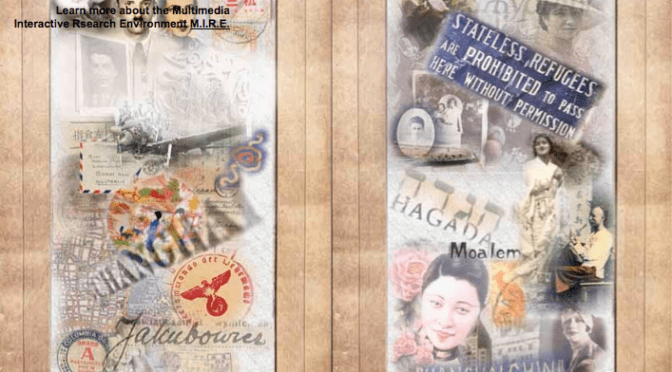
Interface still: The Menorah of Fang Bang Lu online documentary - scrolls
Interface still: The Menorah of Fang Bang Lu online documentary

Explore The Menorah of Fang Bang Lu online documentary

The Menorah of Fang Bang Lu presented/exhibition by Prof Andrew Jakubowicz, China Cultural Centre Sydney http://www.cccsydney.org 2015 in association with Jewish Refugees and Shanghai Exhibition. Curated as an installation in Crossroads: Shanghai and the Jews of China, Curator Jane Wesley, Sydney Jewish Museum, and, Carnivale, Performance Space, 2001. Creative Director, Tatiana Pentes and multimedia designer. Reviewed by Keth Gallasch RealTime issue #46 Dec-Jan 2001. Read online

VECTORS: Journal of Culture & technology in a Dynamic Vernacular
Issue 1. Winter, 2005 http://vectors.usc.edu/projects/index.php?project=40
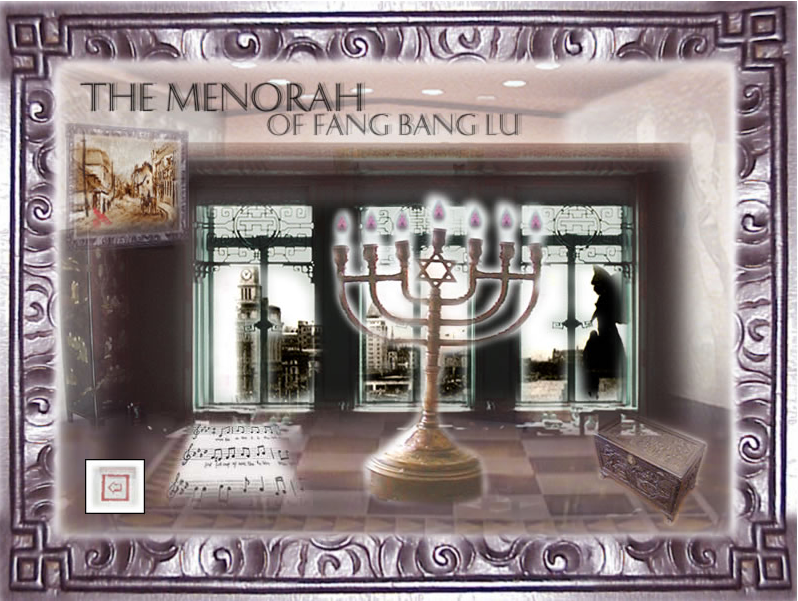
Flames on Menorah The Menorah of Fang Bang Lu presented/exhibition by Prof Andrew Jakubowicz, China Cultural Centre Sydney

“What can a single artifact tell us about history? For an archaeologist schooled in deciphering subtle traces, a lone relic can speak volumes. So it is with the 19th century brass menorah at the center of Andrew Jakubowicz’s The Menorah of Fang Bang Lu. Serving as a metaphor for the intertwining stories of four Jewish families living in Shanghai in the late 19th and early 20thcenturies, this object also provides evidence of a community that has since disappeared from the city, having joined the worldwide Jewish diaspora during World War II, only to make their way to Australia. Their stories are told and this history is pieced together through interviews with surviving family members and collections of photographs, documents and testimonies that describe a strikingly similar set of experiences. Jakubowicz’s exhaustively documented site offers a model for constructing a multi-perspectival portrait of a moment from the past that cannot be otherwise reconstituted. The family stories that constellate around the image of the menorah describe a set of common themes emerging from individual experiences with immigration, community and participation in an economic system. At the same time, the stories remain separate and distinct, a subtle evocation of the fact that none of the families knew each other when living in Shanghai; it is only through this reconstruction after the fact that their lives have been woven into a larger historical narrative. As a piece of historical evidence whose origins can only be conjectured, the menorah also functions as a metaphor for Jakubowicz’s investigation. The graceful folk tune that emanates from the music box in the base of the menorah is at once familiar and indecipherable, some of the notes having been long since worn away, but leaving enough of the tune intact to provide a suggestive starting point for historical enquiry. Like the films of Hungarian Peter Forgacs, who constructs historical narratives out of home movies shot by WWII era European Jewish families, Jakubowicz’s work resonates with traditions of oral history and history-from-below, implicitly arguing that the stories of “ordinary” people should not be excluded from the historical record.”

— Professor Tara McPherson and Steve Anderson
Division of Critical Studies, School of Cinematic Arts,
University of Southern California, Los Angeles, CA

Interface still: The Menorah of Fang Bang Lu online documentary presented/exhibition by Prof Andrew Jakubowicz, China Cultural Centre Sydney
Interface still: The Menorah of Fang Bang Lu online documentary

SYNOPSIS
“The Menorah of Fang Bang Lu is a brass menorah (a Jewish religious candelabra), probably dating from the late nineteenth century. It was found on a second hand stall in a Shanghai antique market, in October 2000, more than forty years after the last Jews had left Shanghai. In its base is a wind-up music box, playing out a tune that has yet to be identified. Its simple chords evoke the many cultures of Jewish China. The antique market stands near the main entrance gate to Fang Bang Lu (or Fong Pang Road as it was known when there was a Jewish community in Shanghai from the 1840s to the 1950s). Fang Bang Lu is the main street in the old Chinese city (just south of the former French Concession and International Settlement), and leads to a tea house the original that has haunted western fantasies of China since the eighteenth century.
Interface still: The Menorah of Fang Bang Lu online documentary


This computer based project explores the patterns that seven Australian families to Shanghai, families whose paths crossed many times, but who never met there. These four families will be joined by three more over the coming months – their lives entered through the flames of the Menorah. Through common themes of arrival, community, economy, place, interactions with China and the Japanese occupiers, and then the tenuous journeys to Australia, we begin to sense the intertwining of serendipity and design that mark their pathways. From the Moalems, key figures in the Sephardic (Babylonian/Spanish) religious community, to the Krouks, active participants in the vibrant Russian Jewish community, the Gunsbergers, surprising survivors of Kristallnacht and an escape across Europe to Manchuria, to the Weyland Jakubowicz family in their arduous struggle through the USSR and Japan, we begin to understand the rich fabric of cultural heritage of these diasporic people, who came at last as refugees to Australia. We discover the stories of Leisl Rosner (Gerber), a girl from Vienna who became a woman in Shanghai, Rachel Kofman, a Russian woman from Harbin who returned to China from her studies in California, and settled in Shanghai, and the Szekeres, mathematicians living in limbo on the edge of the world. The arrival of all these families in Australia from 1946 was in circumstances of hostility that are not overwhelmingly different from those facing today’s refugees and tells us much about not only where they came from but what they found in the new land.

Writer/ Producer: Andrew Jakubowicz is Professor of Sociology at the University of Technology Sydney; his parents arrived in Australia via Shanghai in 1946 most of their families had perished in the Holocaust. He now works in the area of multicultural affairs, and was the executive producer of Making Multicultural Australia a multimedia documentary (1999).

Creative Director: Tatiana Pentes, a multimedia designer who created the AMY award winner (2000) Strange Cities, an interactive digital work built around memories of Shanghai in the 1930s and 1940s, and the music of her grandfather, Shanghai orchestra leader Sergei Ermolaeff (Serge Ermoll), a Harbin born Manchurian Russian.”
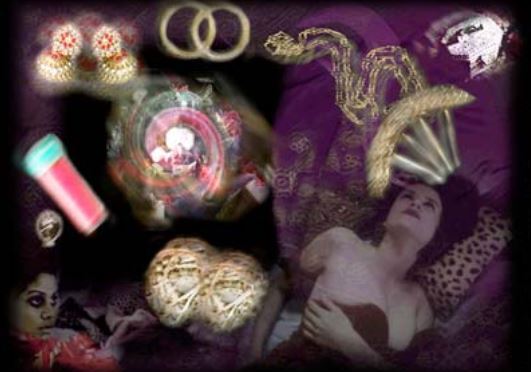
Black Box: a digital media work

Exerpt from Tatiana Pentes, DCA thesis, BlackBox: Painting a Digital Picture of Documented Memory, UTS, VDM Verlag, Germany 2009.

Black Box: Painting A Digital Picture of Documented Memory. Written & Directed by Tatiana Pentes, Digital Sound & Moving Image: Geoffrey Weary

Launch BlackBoxv3 online

“It is inscribed as on Pandora’s Box…do not open…passions…escape in all directions from a box that lies open…” from Bruno Latour’s “Opening Pandora’s Box”, in Science in Action: How To Follow Scientists & Engineers Through Society, Harvard University Press, Cambridge, Massachusetts, 1987, p1-17.

Abstract

This work investigates and records the production of a digital media artwork blackBOX: Painting A Digital Picture of Documented Memory, generated through the media technologies of interactive multimedia, exploiting the creative potentials of digitally produced music, sound, image and text relationships in a disc based & online (Internet) environment. The artwork evolves from an imaginary electronic landscape that can be uniquely explored/ played in a non-sequential manner. The artwork/ game is a search for the protagonists hybrid cultural identity. This is mirrored in the exploration of random, fragmentary and non-linear experiences designed for the player engaged with the artwork. The subjective intervention of the player/ participant in the electronic artwork is metaphoric of the improvisational tendencies that have evolved in the Greek Blues (Rembetika), Jazz, and Hindustani musical and performative dance forms. The protagonist Nina’s discovery of these musical forms reveal her cultural/ spiritual origins. As a musical composer arranges notes, melodies and harmonies, and sections of instruments, so too, the multimedia producer designs a ensemble of audio-visual fragments to be navigated.

Dance also becomes a driving metaphor, analogous to the players movement in and through these passages of image/ sound/ text and as a movement between theories and ideas explored in the content of the program. The central concern is to playfully reverse, obscure, distort the look of the dominating/colonialist gaze, in the production of an interactive game and allow the girl to picture herself.

One of my objectives is to explore the ways in which social research can be undertaken by the creation of an interactive program in the computer environment utilizing interactive digital media technologies. The study reveals that, through the subjective intervention of the player/ participant (user)* with the digital artefact, a unique experience and responsiveness is produced with the open-ended text. The work is comprised of a website http://www.strangecities.net; an interactive CD-ROM; a gallery installation; digital photomedia images: and a written thesis documenting and theorising the production.

Classical Indian dance music: Bharata Natyam

Nirmal Jena & Odissi Dance Co.

* The term player/participant (user), while widely debated has been in usage from the 1980s to refer to the unique human interaction with the digital artefact, electronic screen work, and computer interface.

Read the research paper: BlackBOX : painting a digital picture of documented memory. Published University of Technology, Sydney UTS ePress Institutional Repository
Australasian Digital Thesis Program http://epress.lib.uts.edu.au/dspace/handle/2100/357

Black Box interface still by Tatiana Pentes

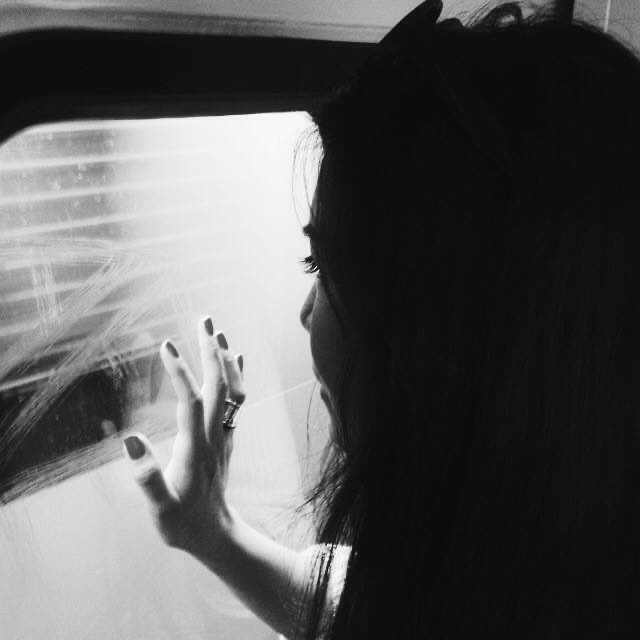
#GirlOnATrain

Images: Geoffrey Weary & Tatiana Pentes, Performance: Jing Feng (Sophy Feng) & found home movie footage

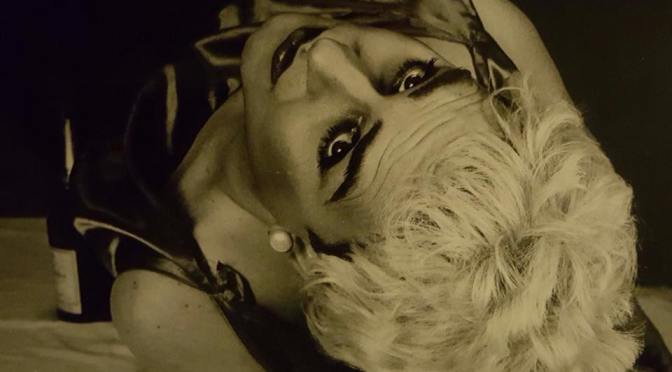
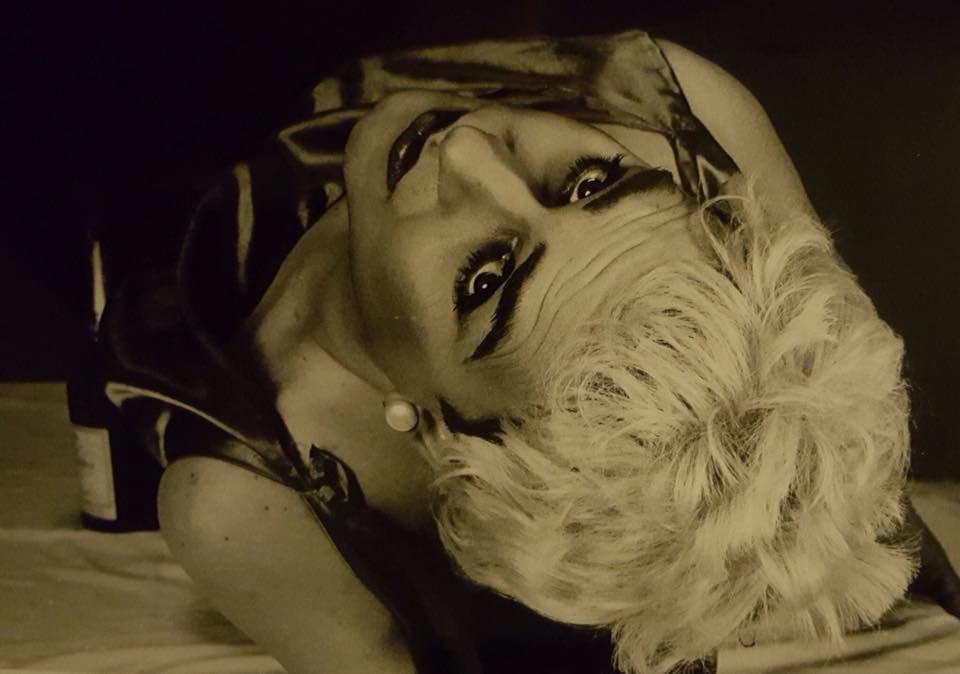
A Song of Ceylon – dir. Laleen Jayamanne

A Song of Ceylon, Sydney Film Festival #SydFilmFest Feminism & Film Sun 18 June 2017 @ 10.30am AGNSW http://bit.ly/SongOfCeylon_SFF Jayamanne, Laleen. (Director), Weary, Geoffrey (Film editor), Parr, Adrienne. (Producer), Finnane, Gabrielle. (Photographer), Australian Film Commission. Creative Development Branch – The narcissistic, masochistic, hysterical body in exquisite tableaux. A formally rigorous, visually lush study of gender and possession, referencing a classic British film. Australia | 1985 | 51 mins | In English and Sinhala with English subtitles.

“A formally rigorous, visually stunning study of colonialism, gender and the body. The title echoes the classic British documentary and evokes a country erased from the world map. The soundtrack enacts a Sri Lankan anthropological text observing a woman’s ritual exorcism. Visually, the film brings together theatrical conventions and recreations of classic film stills, presenting the body in striking tableaux. This remarkable film is a provocative treatise on hybridity, hysteria and performance.” WMM Women Make Movies

JuanDavila

Film still: Juan Davila

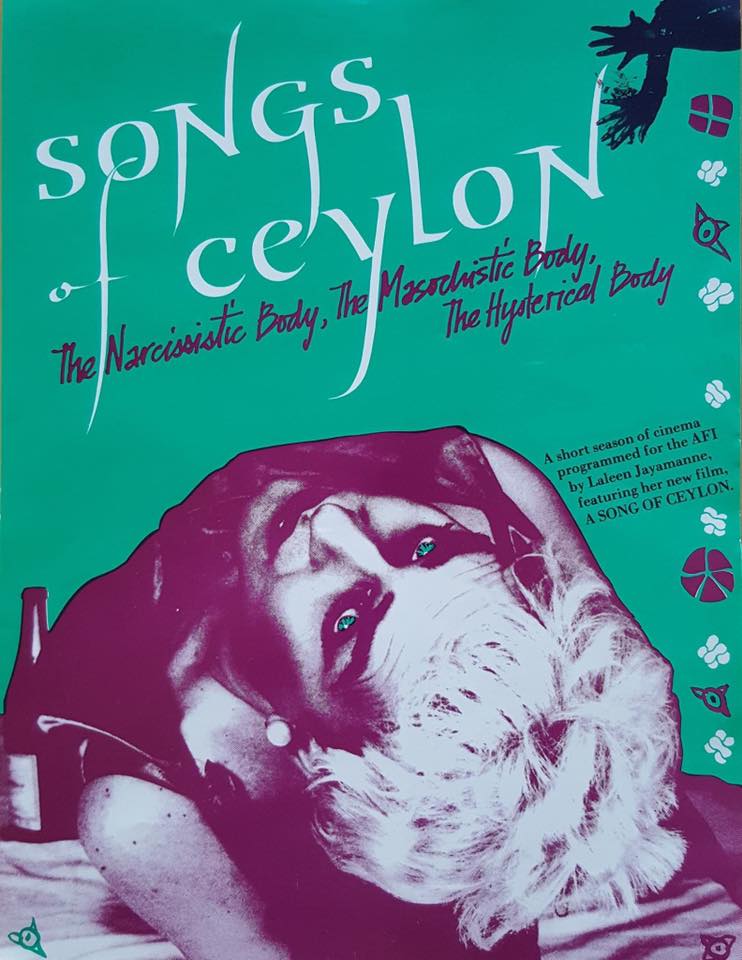
SongOfCeylonFilmPoster

Fim Poster: A Song of Ceylon

“The anthropological text is performed both like a musical score and a theatrical ritual….The film engages the viewer in the cinematic body as spectacle…”
Trinh T. Minh-ha

Interview with director Layleen Jayamanne in Senses of Cinema

Hysteria and the hybrid body in Laleen Jayamanne’s a song of Ceylon
Priyadarshini Vigneswaran, online: 18 May 2009

C. Berry, A. Nicholson & L. Jayamanne, The Filmmaker and the Prostitute: Dennis O’Rourke’s The Good Woman of Bangkok, Power Publications, Sydney, 1997

Barrett Hodsdon, Straight Roads And Crossed Line; The Quest For Film Culture In Australia, A Bernt Porridge Group Book: Western Australia, 2001C. Berry, A. Nicholson &

L. Jayamanne, The Filmmaker and the Prostitute: Dennis O’Rourke’s The Good Woman of Bangkok, Power Publications, Sydney, 1997

Barrett Hodsdon, Straight Roads And Crossed Line; The Quest For Film Culture In Australia, A Bernt Porridge Group Book: Western Australia, 2001

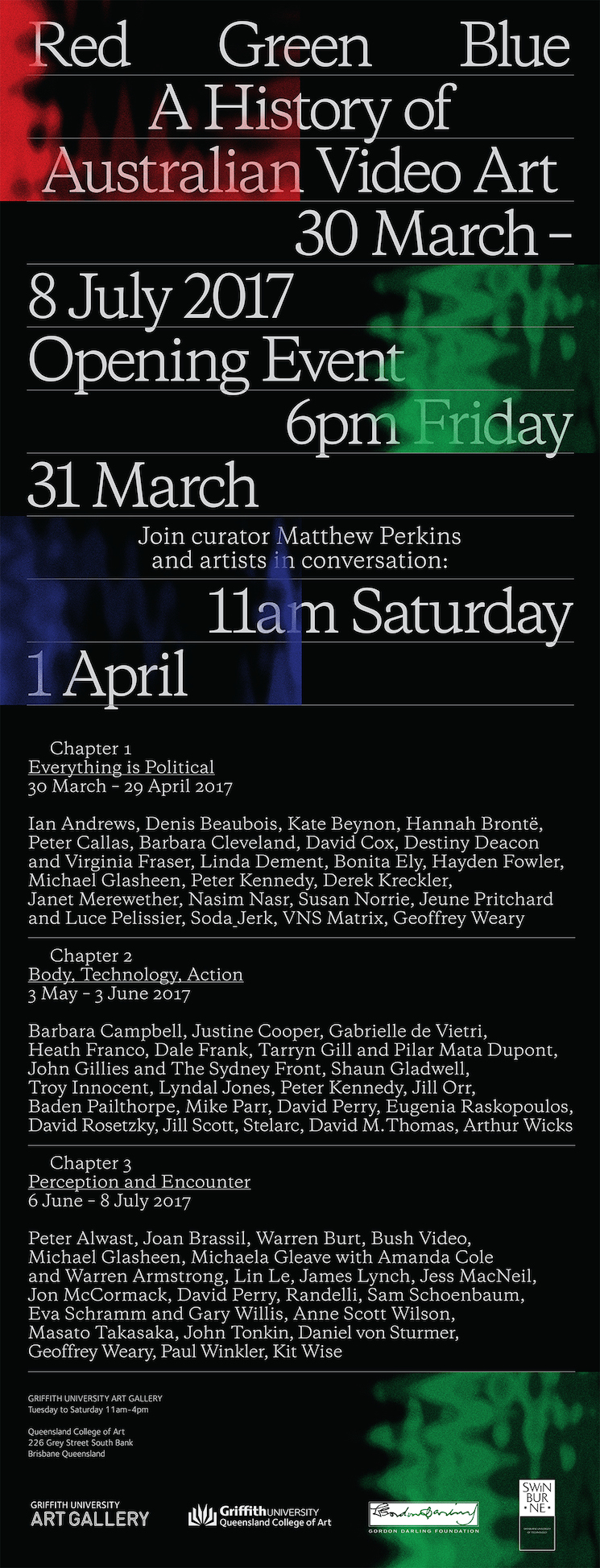
Red Green Blue: A History of Australian Video Art

Geoffrey Weary’s video artworks on exhibition in curator Matthew Perkins, ‘Red Green Blue’, “…bringing together works from the 1970s through to the present day, drawn from the archives, artist holdings and the Griffith University Art Collection. Presented over three episodes, each running for a month, the exhibition takes the viewer on a historical journey that is also a celebration of the ongoing dynamism and depth of Australian video art practice.”

“Emerging as an art form during the late 1960s and 1970s, video has continued into the 21st century as a prominent mode of artistic endeavour, with artists responding to the new possibilities opened up by advances in technology. From its earliest days, artists have embraced video’s radical potential – as a medium for artistic expression, a tool for political agitation, and a means with which to question the status quo. ‘Red Green Blue’ explores these intersections across its three themed episodes, tracing connections from early experimental origins through to the multiple and proliferating modes of today, to reassert the importance of video to Australian art history.”

Griffith Artworks wesbite

Episode One – ‘Red: Everything is Political’ runs Friday 31 March to Saturday 29 April 2017
Episode Two – ‘Green: Body, Technology, Action’ runs Tuesday 2 May to Saturday 3 June 2017
Episode Three – ‘Blue: Perception and Encounter’ runs Tuesday 6 June to Saturday 8 July 2017
GUAM_Phase3_S14

BY A WINDOW : Riley: Perkins

4- 27 AUGUST
https://verge-gallery.net/2016/06/14/by-a-window/

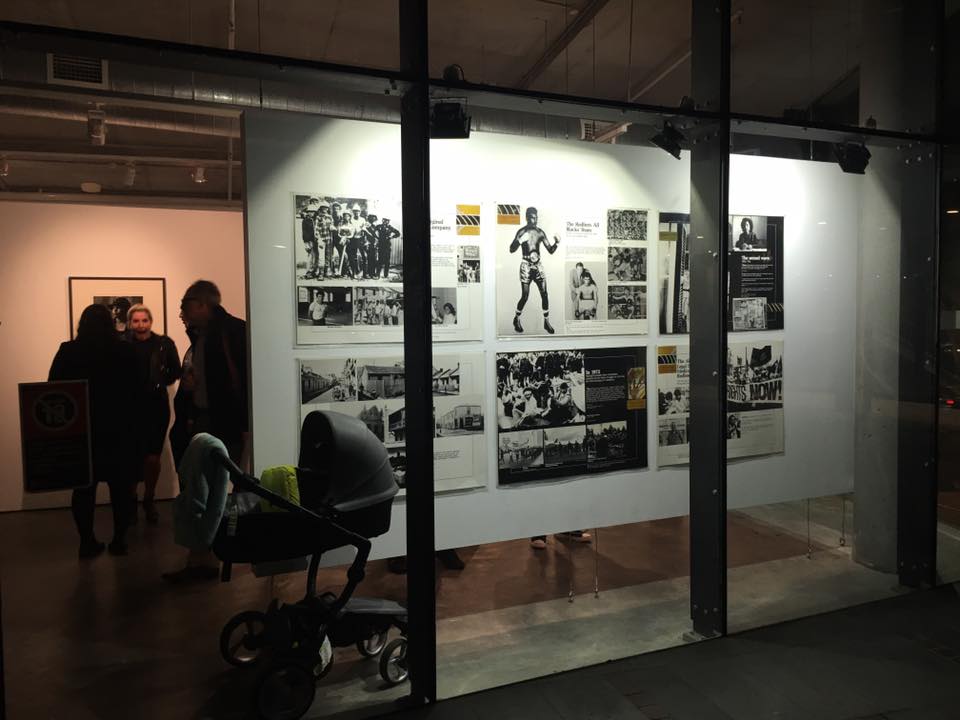
Verge Gallery & Australian Centre for Photography featuring Michael Riley photographs from the University of Sydney Union art collection and archival material from the University of Sydney Archives, The Settlement Community Centre and the State Library of NSW. Encounter key artists such as Tracey Moffatt, Avril Quail and Fiona Foley, Boomalli, The Settlement Mural Project, The South Sydney Visual History Project organised by Geoffrey Weary in collaboration with Tin Shed 1983.#byawindowverge

Verge003

Verge007

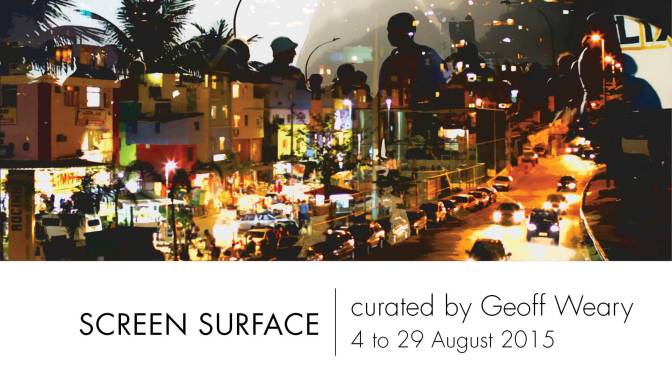
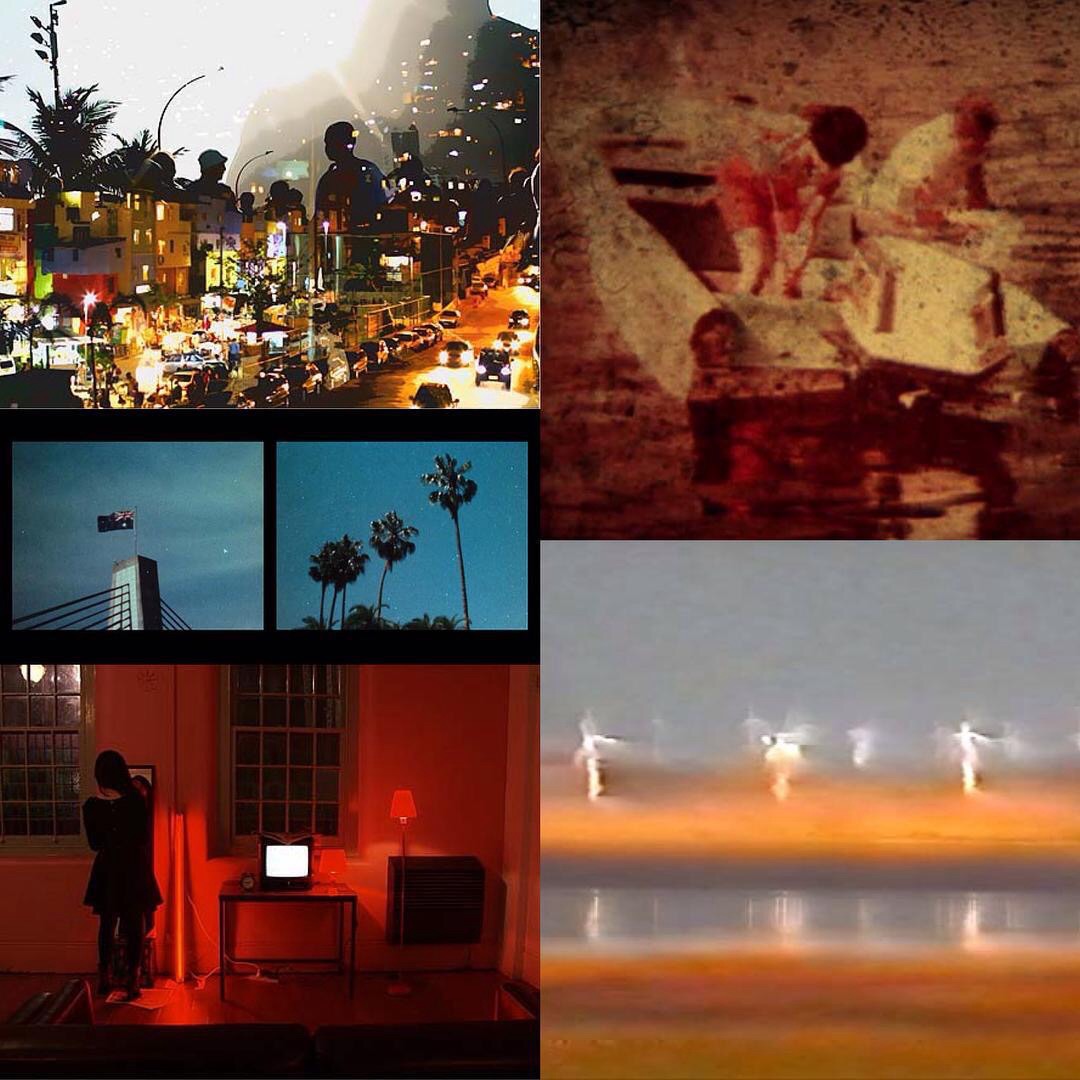
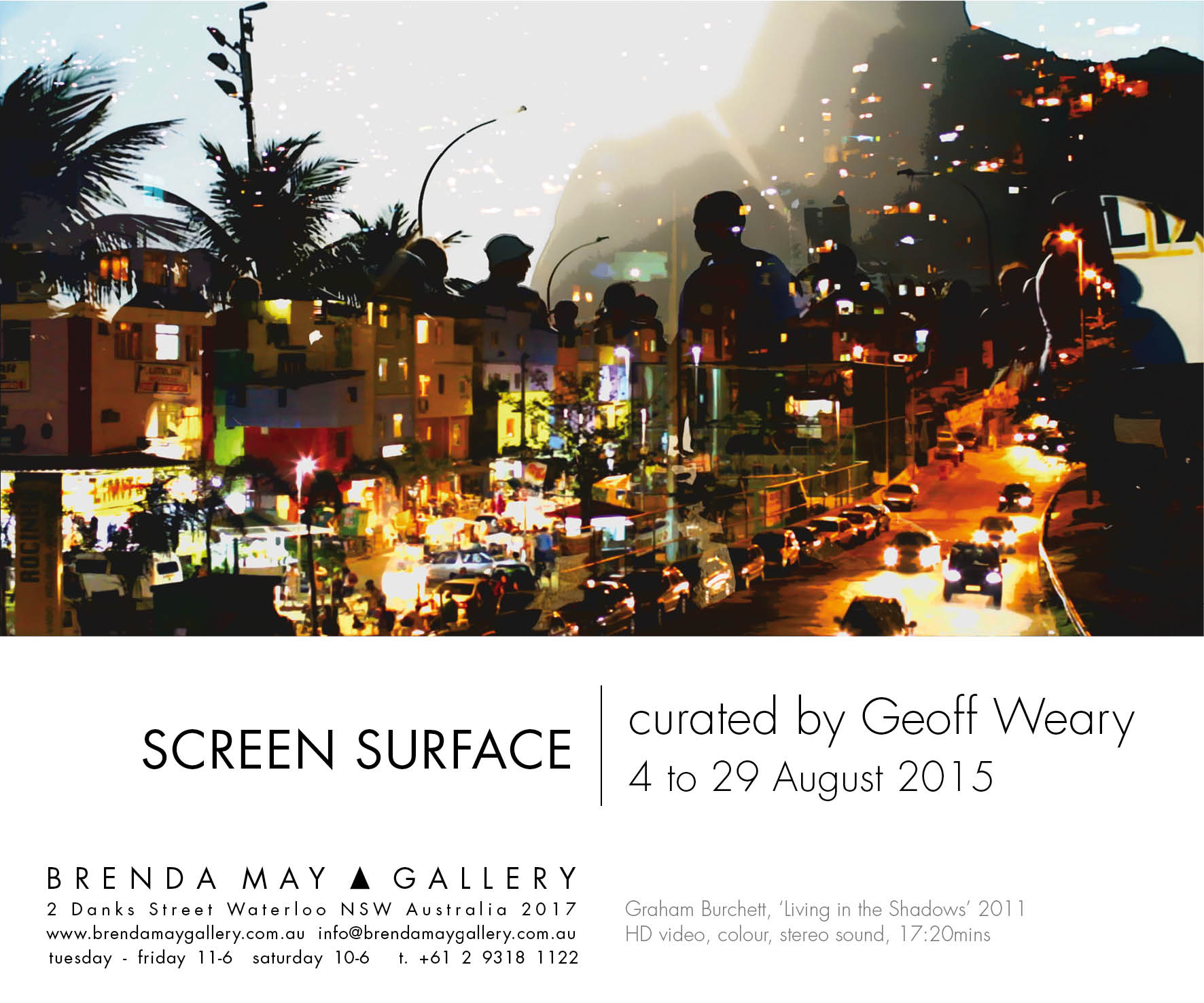
SCREEN SURFACE Curated by Geoff Weary

SCREEN SURFACE Curated by Geoffrey Weary

Artists: Frazer Bull-Clark :: Katherine Berger :: Jing Feng (Sophy Feng) :: Graham Burchett :: Harley Ives

BRENDA MAY GALLERY :: 2 Dank Street Waterloo NSW Australia 2017 ::
4 – 29 August 2015

http://www.brendamaygallery.com.au/details.php?exhibitionID=350

image

“It is easy to fall into old habits of interpretation. This is particularly true of screen-based artworks when they resemble a narrative or documentary film. Invariably the question of meaning becomes associated with content and “form” is of little consequence. The works selected for this exhibition are engaged in a two–way interaction where social, environmental and identity issues are mediated through highly personalised approaches to the treatment of the surface of the projected screen image. – See more at: http://www.brendamaygallery.com.au/details.php?exhibitionID=350#sthash.yNqS0md6.dpuf ”

Screen Surface curated by Geoffrey Weary, Brenda May Gallery 4 - 29 August 2015
Screen Surface curated by Geoffrey Weary, Brenda May Gallery 4 – 29 August 2015

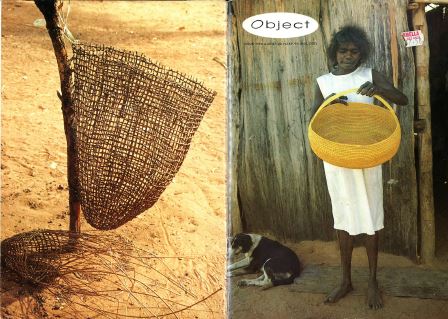
OBJECT Magazine: Australian Design Centre: articles by Tatiana Pentes

OBJECT Magazine: published by the Australian Design Centre
http://www.object.com.au/object-magazine/current-issue/

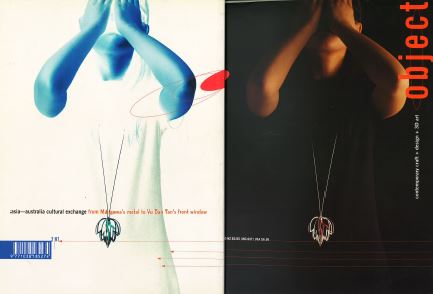
Tatiana TatianaPentes_Project_Object_ OBJECT_ CfCC_Vol2_1997
Tatiana Pentes, Project: Object a jewellery/object installation, OBJECT Magazine, Issue 2 1997

Tatiana Pentes, Project: Object a jewellery/object installation, OBJECT Magazine, Issue 2 1997


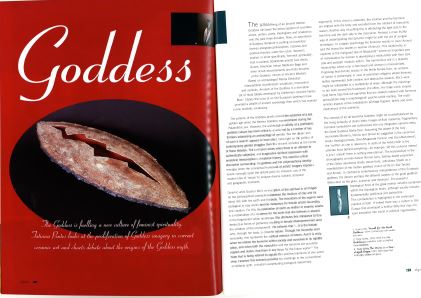
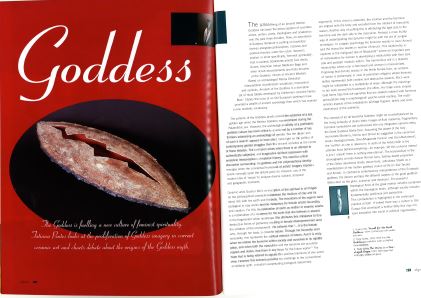
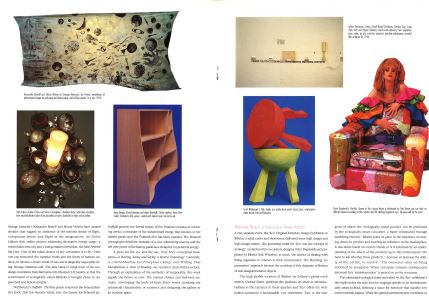
Tatiana Pentes, Goddess, (contemporary ceramics), OBJECT Magazine, Issue 2 1995
Tatiana Pentes, The Body in Pain, (jewellery/textiles/performance),OBJECT Magazine, Issue 1 1995

Tatiana Pentes, The Body in Pain, (jewellery/textiles/performance),OBJECT Magazine, Issue 1 1995


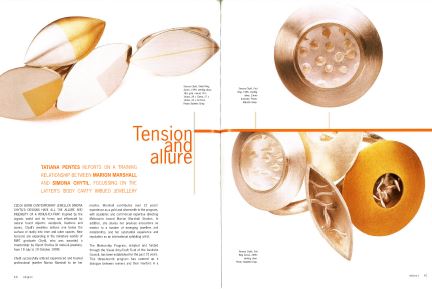
Tatiana Pentes, s Tension and Allure, Program: Mentorship Object Studios, OBJECT Magazine, Issue 4, 1999
Tatiana Pentes, Tension and Allure, Program: Mentorship Object Studios, OBJECT Magazine, Issue 4, 1999

Tatiana Pentes, Tension and Allure, Program: Mentorship Object Studios, OBJECT Magazine, Issue 4, 1999


Tatiana Pentes, Goddess, (contemporary ceramics), OBJECT Magazine, Issue 2 1995

Tatiana Pentes, Goddess, (contemporary ceramics), OBJECT Magazine, Issue 2 1995


Tatiana Pentes, Designing the Future, (EcoDesign), OBJECT Magazine, Issue 2, 1994

Tatiana Pentes, Designing the Future, (EcoDesign), OBJECT Magazine, Issue 2, 1994


Tatiana Pentes, The Devil Gets All the Tunes Wrong, OBJECT Magazine, Issue 1, 1994

Tatiana Pentes, The Devil Gets All the Tunes Wrong, OBJECT Magazine, Issue 1, 1994

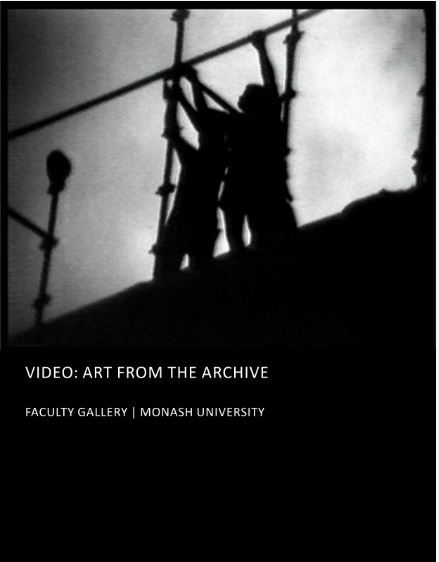
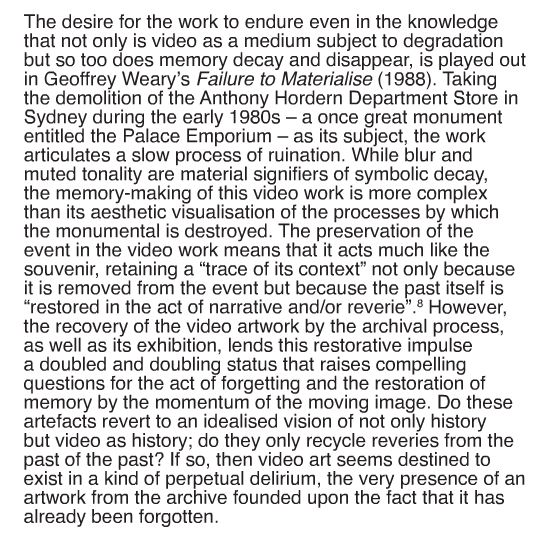
Geoffrey Weary’s video art: ‘Failure To Materialise’ featured in book

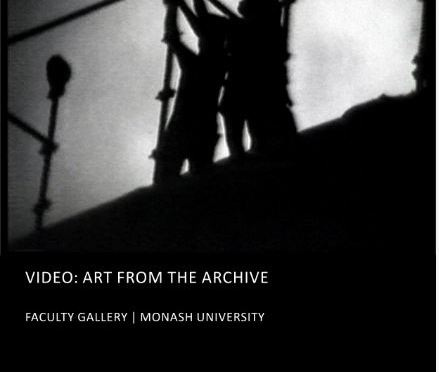
Image: Failure To Materialise by Geoffrey Weary, Video: Art From the Archive, Monash University

Geoffrey Weary’s video and films: Scenes From A Shanghai Hotel, Failure to Materialise, and MUSEUM, collected by AVAA Australian Video Art Archive whose aims are to continue building an on-line video archive and a research collection of new and historical Australian video and performance art works http://www.videoartchive.org.au/gweary/shangai.html.

Geoffrey Weary’s video art was curated 27 September – 8 October 2010 in an exhibition VIDEO: Art From The Archive, Faculty Gallery, Monash University, Victoria, AUSTRALIA. The exhibition catalogue was published with a curatorial essay in MADA (Monash University Art Design & Architecture) an online portal of Monash publications.

View online Video: Art from the Archive (2010): Monash Essay by Leonie Cooper, Elena Galimberti, Matthew Perkins; list of works in Gallery; 7 pp. 3 illus. ISBN: 978-921179-79-2

Image: Failure To Materialise by Geoffrey Weary, Video: Art From the Archive, Monash University


PORTRAITS: films by Geoffrey Weary

TIME WAS.... by Geoffrey Weary - part of PORTRAITS a three part film series...
TIME WAS…. by Geoffrey Weary – part of PORTRAITS a three part film series…

TIME WAS…….
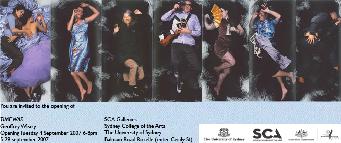
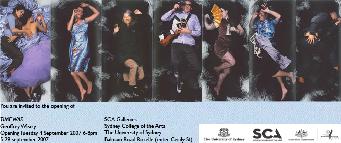
Geoffrey Weary (digital prints)

Sydney College of the Arts
Opening Tuesday, 4 – 29 September

SCA Galleries Sydney College of the Arts
Crn Cecily & Darling St, Rozelle
Sydney, AUSTRALIA

PORTRAITS 2005 – 2014

Production Company: Strange Cities Productions
Director/Producer: Geoffrey Weary
email: Geoff.Weary@sydney.edu.au

Cast:Tatiana Pentes, Leakhena Sy, Rose Tang

PORTRAITS is an experimental digital work that explores three contrasting experiences of war and conflict in the middle and late 20th century. A woman living in Shanghai is expelled from China after the Communist Revolution in 1949. The ghosts of the Cold War appear and disappear in the crumbling ruins of the Berlin Wall in 1990. A young woman suffers a crisis of identity around the circumstances of her birth at the end of the war in Cambodia in 1978


SCENES FROM A SHANGHAI HOTEL (2007)

An experimental film by Geoffrey Weary

A Russian woman living in Shanghai is expelled from China after the Communist Revolution in 1948. Her story begins in a hotel room in Shanghai and ends on a suburban street in Sydney, Australia. Performative, fictional, and documentary elements are blended into a work that is suggestive and open to multiple readings. Extensive use of film leader and scratchy film surfaces add to the sense that what we are seeing resembles something that is illusive, dream-like, just beyond grasp…..or is it just a newsreel playing in someone’s head?


CAPTIVE

An experimental film by Geoffrey Weary

CAPTIVE explores the themes of repression, confinement and escape. These themes are expressed through the incorporation of grainy VHS footage shot in Berlin at the time of the collapse of the Berlin Wall, hand-held camera sequences shot in a maze-like forest and slices of footage composited out of archival Cold War films. As the real historical Wall crumbles under the blows of street hawkers and souvenir hunters, ghostly specters from the past appear then dissolve back into the scratchy surface of a long forgotten newsreel.

Captive by Geoffrey Weary from Strange Cities Productions on Vimeo.


My Mother Told Me (2007)

An experimental film by Geoffrey Weary

A young woman tells the story of her family’s destruction during the war in Cambodia, 1975-1978. Later as a refugee living with her mother in Sydney, Australia she suffers an identity crisis that is linked to the unexplained circumstances of her birth and the mystery of the father that she has never known.

My Mother Told Me by Geoffrey Weary from Strange Cities Productions on Vimeo.
My Mother Told Me 2007

Australia’s audiovisual heritage online Australian Screen http://aso.gov.au/titles/shorts/my-mother-told-me/