
A Novella in Movements
By Tatiana Pentes
I. снег – Sneg
The Name Written in Snow – Kursk Курск
The story began before memory, in a place that believed in permanence.
In Kursk, names were written in books that promised continuity. Ink dried beneath official seals; lives were measured in lineage. Houses held their shape through generations, and windows opened onto orchards that seemed as old as time itself.
Yet even then, something had already begun to fracture.
Madame Xenia, though she would not yet be called so, inherited not land – but posture. Not certainty – but discipline. She learned to sit upright at long tables, to speak French without effort, and to understand that dignity was the last possession one could never surrender.
History had not yet reached her—but it was already on its way.
“He knew that everything would be all right, but he also knew that nothing would ever be the same again.”
– Empire of the Sun
II. The Frontier Breath -Blagoveshchensk Благовещенск
The empire moved east, and the family moved with it.
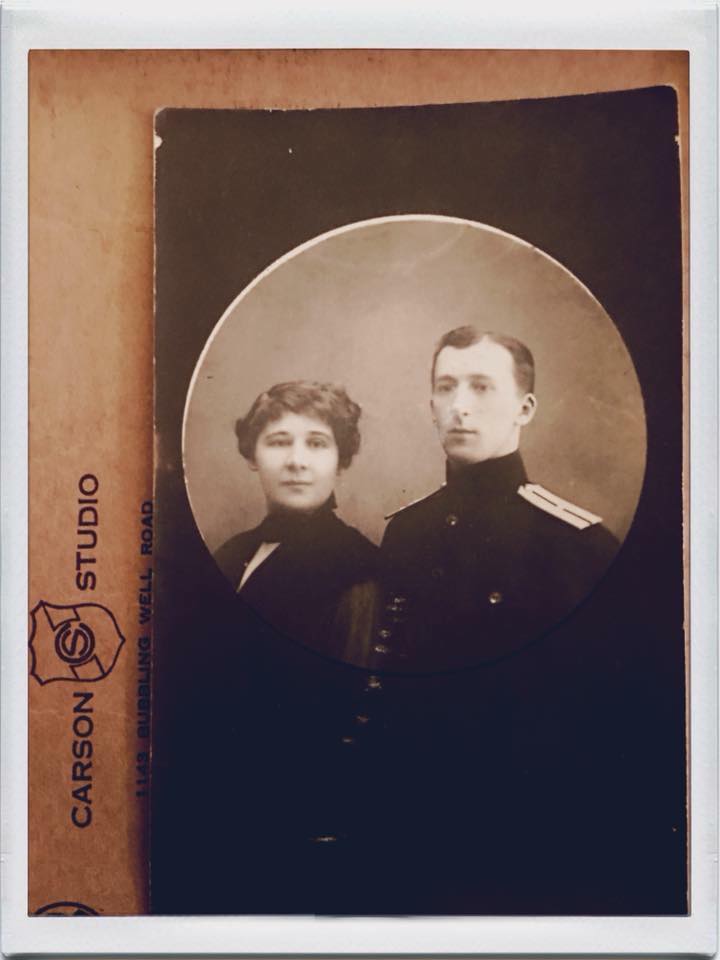
Blagoveshchensk stood at the edge of certainty – where Russia thinned into river mist and China began across the water. Here, Vladimir Sergeyevich Bredikhin was a naval officer Юнкер / Морской кадет in the Tsarist navy.
Evgenia and Vladimir Bredikhin – Xenia’s parents. “Carson Studio” was a photography studio operating in Shanghai during the late 1920s and 1930s, known for creating “proof” photographs of group portraits and social scenes, often appearing alongside other notable photographers of the era like Ah Fong.
There were medals, certificates, stamps.
There was belief.
But the frontier does not preserve – it transforms.
The wind carried unfamiliar languages. The river marked a boundary that felt less like division and more like invitation. Those who lived there learned to adapt quietly, to listen, to prepare.
In that space between worlds, the future was already loosening its grip on the past.
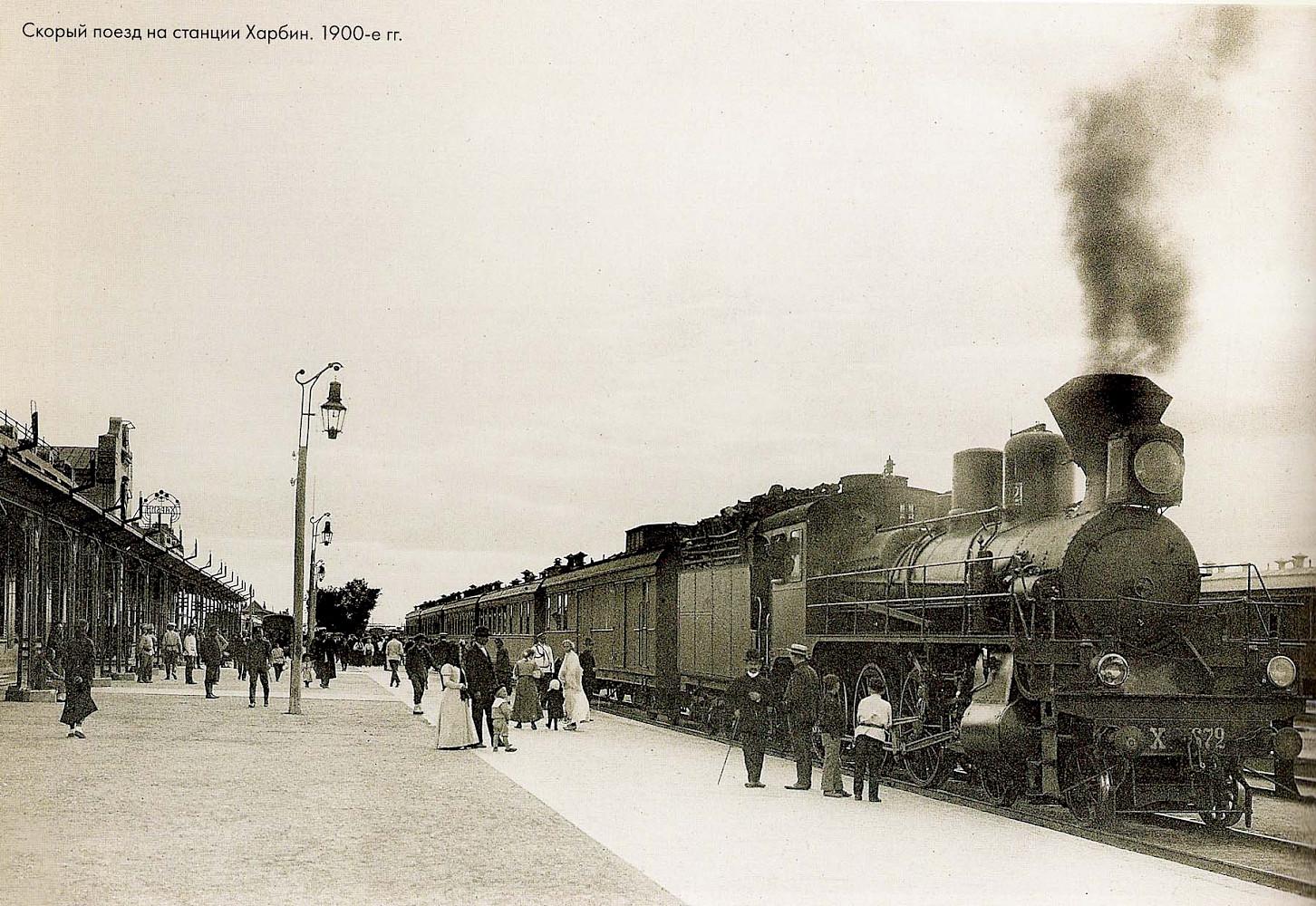
III. A City of Borrowed Winters – Harbin Manchuria
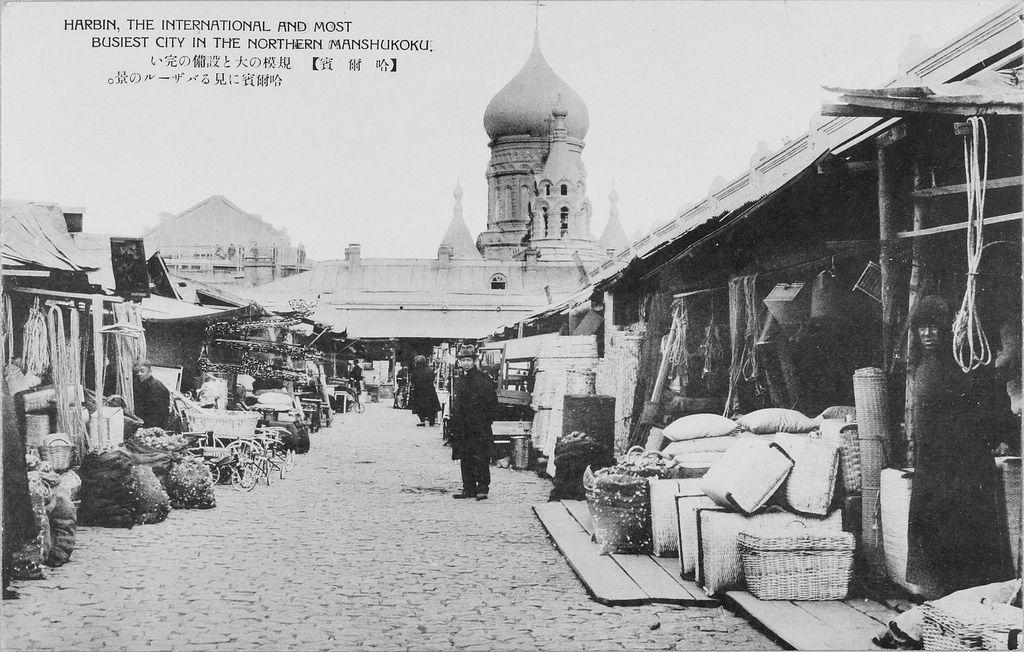
Harbin was not a city – it was an echo.
Russian churches rose over Chinese streets. Snow fell on signs written in several alphabets. Music drifted from cafés where no one truly belonged, yet everyone pretended they did.
It was here, in 1908, that Sergei Ermolaeff was born.
He learned rhythm before language – train wheels on iron tracks, boots in snow, the low murmur of displaced voices. His childhood was not rooted in land but in movement.
Harbin did not teach permanence.
It taught improvisation.
And somewhere within that restless city, the paths of two lives – still unknown to each other -began to align.
“The war had taught him that everything was possible, even the things he could not imagine.”
– Empire of the Sun
IV. The Hotel Modern -Shanghai
Shanghai did not ask where you came from.
It asked only what you could become.
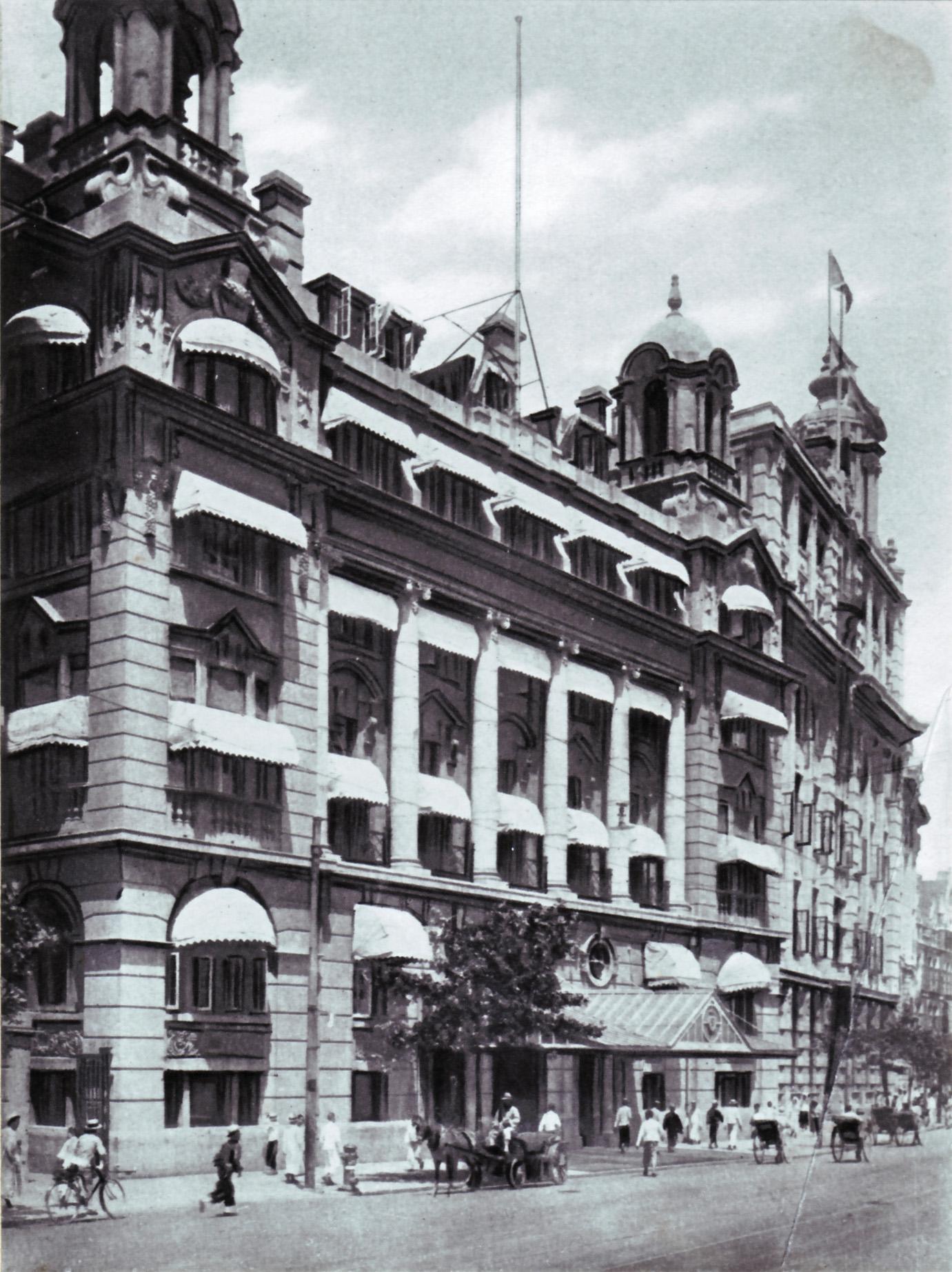
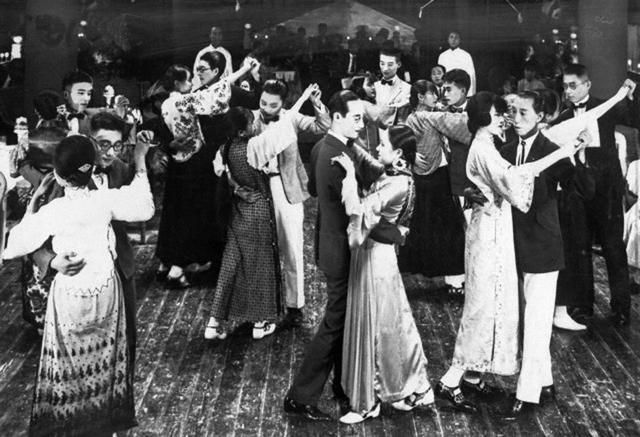
By the 1930s, the city pulsed with neon and promise. The Bund shimmered. Ballrooms spun with music that had crossed oceans. Jazz – new, electric, unstoppable – filled the night.
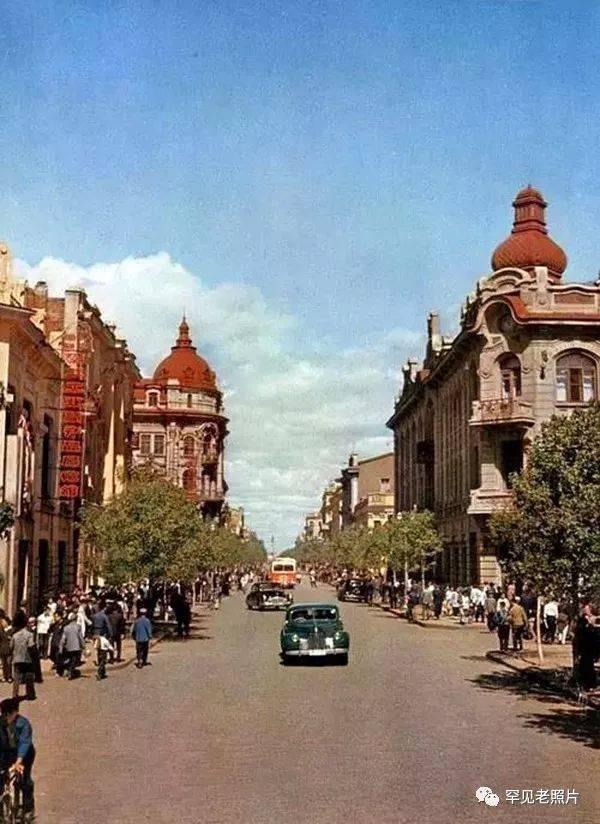
At the Hotel Modern, beneath amber light, she appeared.
Not as a memory of Russia – but as something entirely present.
She danced first.
Then she sang.
They began to call her Madame Xenia.
Her voice carried a quiet gravity, as though it remembered something others had forgotten. She moved with restraint, never surrendering herself fully to the room – and that was precisely why the room surrendered to her.
Across the city, in another hall, Serge was a jazz orchestra leader.
When they met, it was not dramatic.
It was inevitable.
“You are Russian,” he said.
“No,” she replied softly. “I am what remains.”
V. The Paramount Nights -Shanghai Jazz Age
The orchestra rose, and the city followed.
Serge Ermoll stood beneath chandeliers, his baton cutting through air thick with expectation. Trumpets called out across the dance floor. Couples moved in perfect time, as if the world itself could be ordered by rhythm.
And always, somewhere in the room –
Madame Xenia.
Not dancing now. Watching. Listening. Holding the centre without stepping into it.
Their life unfolded between performance and silence.
Champagne glasses.
Taxi doors.
Late-night conversations.
Music that refused to end.
They belonged to a world that was already vanishing, though no one yet admitted it.
“In the deserted ballroom the music still seemed to hang in the air, as if waiting for the dancers to return.”
– Empire of the Sun
VI. Occupation Light -Shanghai, 1937
War did not arrive loudly.
It entered through small changes.
Fewer lights.
More uniforms.
Names spoken more carefully.
The music continued – but differently.
Serge adapted. He always had.
Madame Xenia endured. She always would.
They learned to survive inside uncertainty.
To perform for new audiences.
To maintain elegance when elegance had no purpose.
At night, she removed her gloves slowly, placing them beside the bed as though the act itself could preserve order.
“Do you think it will end?” he asked once.
“It already has,” she said.
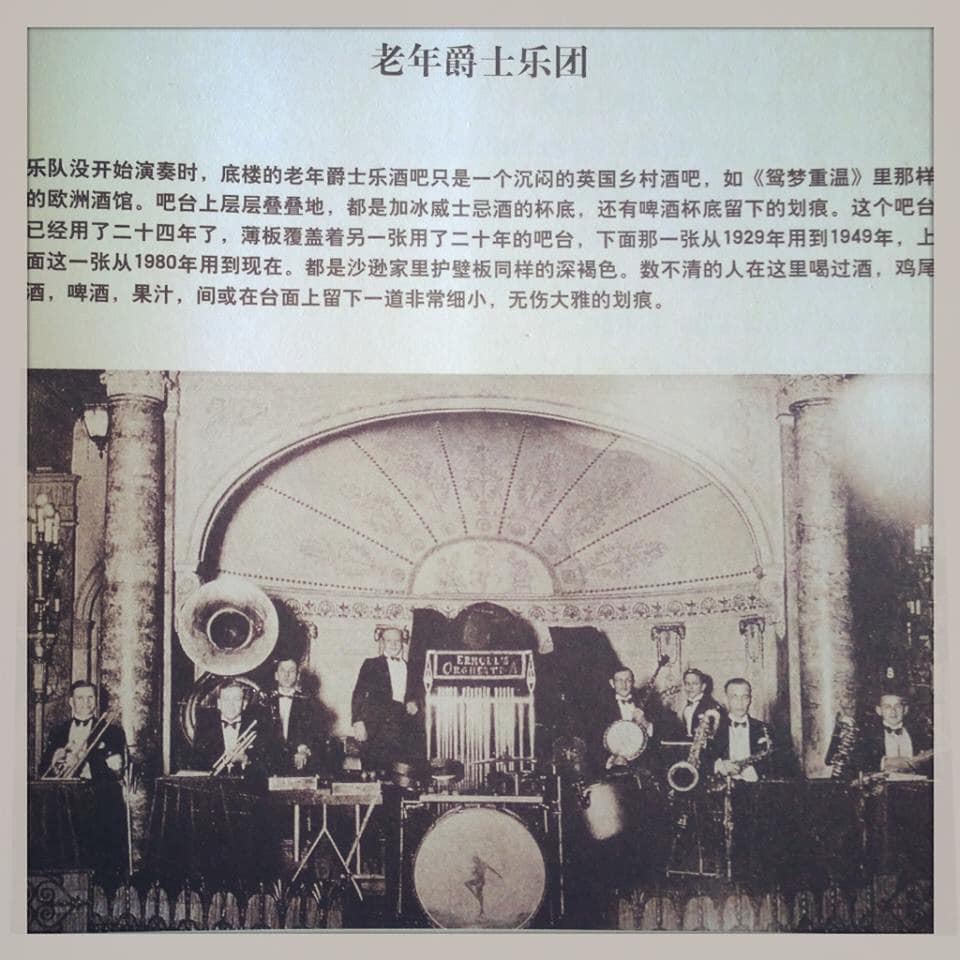
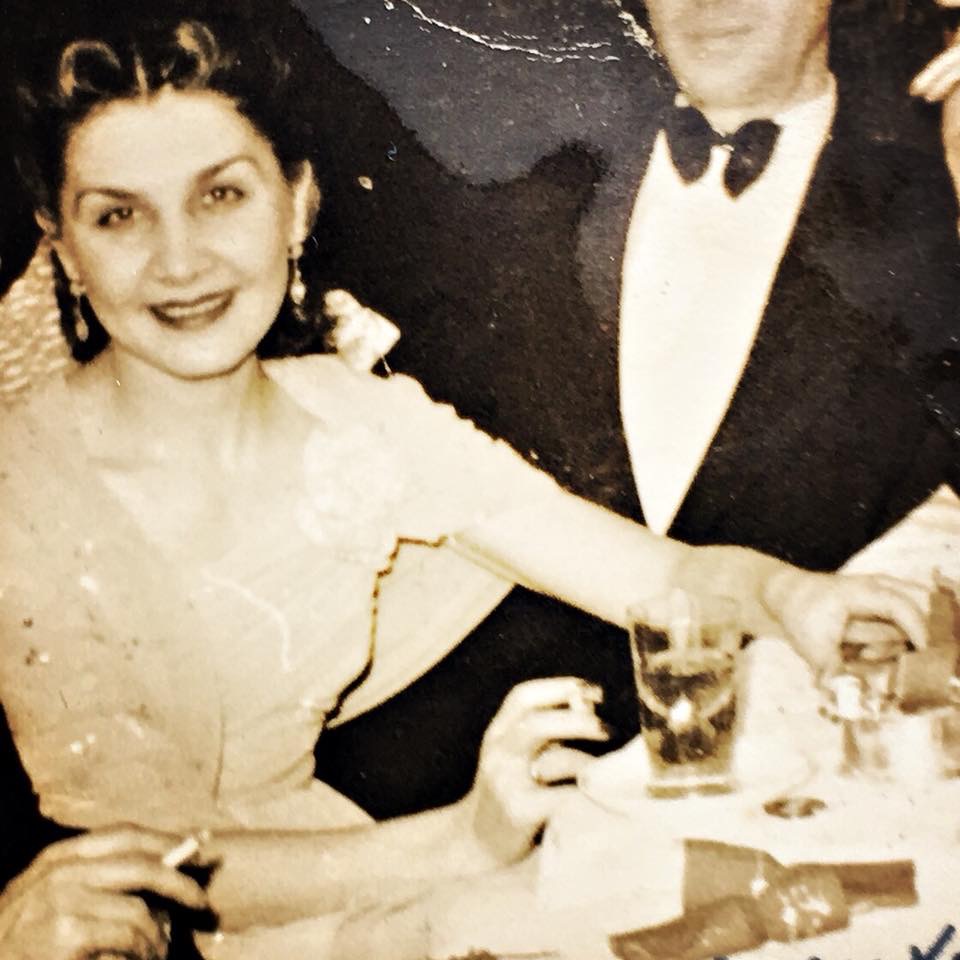
Serge Ermoll & His Orchestra 1929 the Majestic Hotel image quoted in V. D. Zhiganov Russians in Shanghai (1936) from “Cosmopolitan Shanghai” by 陈丹燕 Chen Danyan (2005) and Lynn Pan’s, Shanghai: A century of change in photographs, 1843-1949
VII. The Last Orchestra -Shanghai, 1950
The city did not collapse – it reorganised.
Ballrooms closed.
Clubs disappeared.
Private orchestras dissolved.
In their place came structure.
The Shanghai Municipal Government Symphony Orchestra.
Serge stood again before musicians – but the room was different now. No chandeliers. No laughter. No dance floor.
Only music.
Only function.
Madame Xenia watched from the side.
They had crossed from one world into another without leaving the city.
“The war had rearranged everything, like furniture moved in the night.”
– Empire of the Sun
VIII. The Chan Sha -Departure, 1951
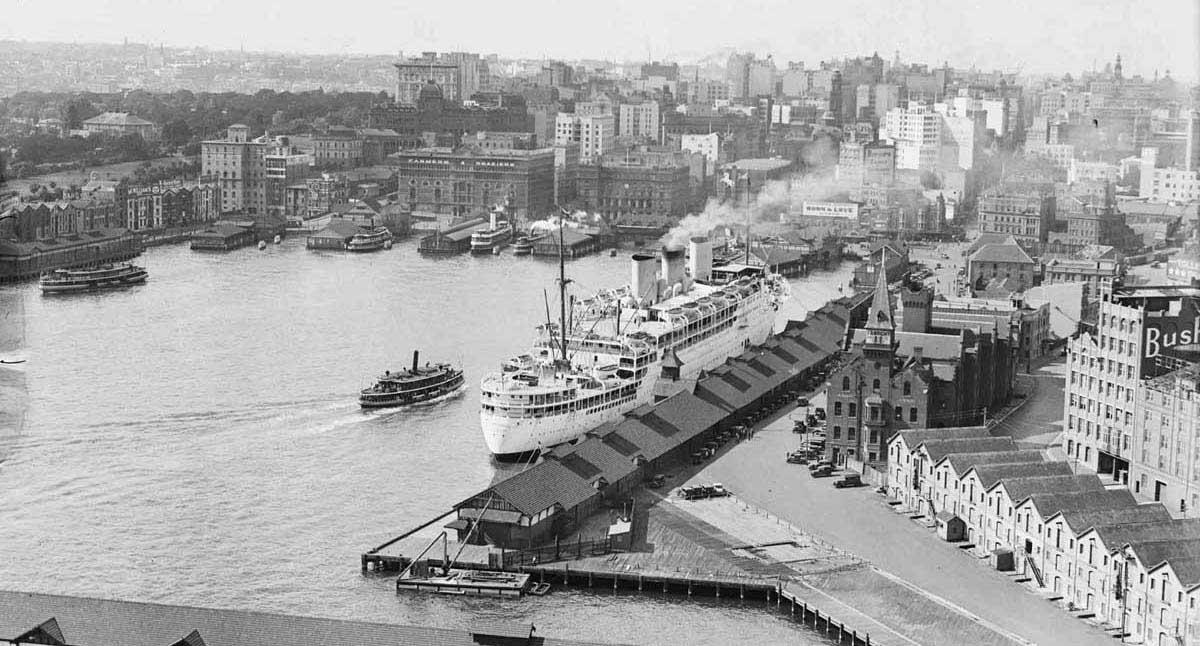
The decision was made quietly.
No grand farewell.
No final performance.
Just papers.
Permissions.
Waiting.
The International Refugee Organisation gave them a name for what they had become:
Displaced.
They boarded the Chan Sha with their son – small, observant, already carrying more history than a child should.
Shanghai receded.
Not dramatically.
Not tragically.
Simply – inevitably.
At the railing, Madame Xenia did not wave.
She watched until the city dissolved into light.
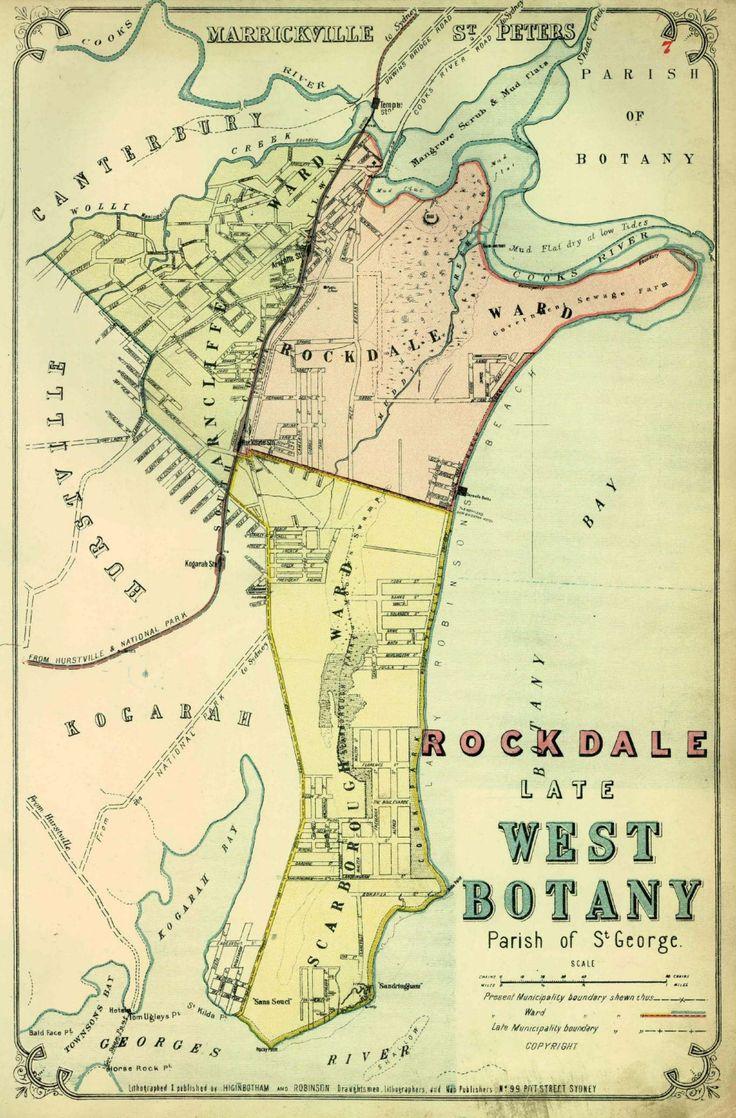
IX. Kamay Botany Bay – A Different Shore
Australia did not resemble anything they had known.
The air was wider.
The light harsher.
The silence unfamiliar.
Yet there was water – and that was enough.
They were given a house in Monterey Avenue, overlooking Kamay Botany Bay. Art Deco lines echoed faintly of Shanghai. A memory translated into architecture.
Peppercorn rent.
A beginning disguised as modesty.
Serge played again, though differently.
The boy listened.
Madame Xenia stood at the window often.
Not longing.
Not regret.
Recognition.
She had crossed empires, and yet something of herself remained intact.
“He realised that he had survived, but that survival itself was a kind of mystery.”
– Empire of the Sun
X. All That Remains
What remains when everything else is gone?
Not the house.
Not the city.
Not the name.
What remains is:
The way she entered a room.
The way he lifted his baton.
The silence between notes.
The discipline of survival.
The memory of music carried across water.
They had not belonged to one place.
They had belonged to movement itself.
They did not lose their world.
They carried it – with perfect timing – into another.
The Lilacs
All That Remains – Part 2
OVERTURE — Prelude in Blue
The lilacs bloomed beside the railway tracks in Harbin long before anyone understood how fragile the century would become.
In spring they emerged through soot and thawing ice behind the Stabrovsky dairy warehouses, climbing through broken fences beside the Chinese Eastern Railway. Their perfume drifted through the city’s Russian quarter, through bakeries, Orthodox churches, officers’ clubs, cafés and dance halls where gramophones played tangos from Paris and melancholy romances from Odessa.
Madame Elizaveta Stabrovsky claimed the flowers survived because they remembered another homeland.
“Lilacs do not die in exile,” she would say softly. “They merely bloom in another language.”
Her son Sergei believed this.
Years later, standing beneath the neon haze of Shanghai, he would still remember the scent.
Moonlight Serenade
Harbin, 1923
Sergei Ermolaeff first saw Xenia Mercoolova at the Hotel Moderne beneath a chandelier yellowed by cigarette smoke and coal dust.
She stood near the orchestra platform wearing silver shoes and a pale dress that caught the light whenever she moved. Around her, officers, railway engineers, merchants and displaced aristocrats drank imported cognac while outside the Manchurian winter buried the streets in snow.
The orchestra stumbled through a fox-trot.
Sergei watched from behind the drum kit.
He had already learned that rhythm was survival.
The Revolution had devoured too many things:
names,
uniforms,
fathers,
estates,
certainties.
But music remained.
When Xenia danced, she seemed untouched by exile. Her movements possessed neither Parisian polish nor Russian restraint. She danced like someone who understood disappearance.
After midnight she approached the orchestra.
“You play American music like a man escaping a fire,” she said.
Sergei smiled.
“Perhaps I am.”
Outside, sleigh bells moved through the frozen streets of Harbin while lilacs slept beneath the snow.
At dawn he walked her home beside the railway lines.
The city seemed suspended between worlds:
Russia and China,
Europe and Asia,
memory and invention.
Neither of them yet understood they would spend the rest of their lives searching for vanished places.
“We all have a better guide in ourselves, if we would attend to it, than any other person can be.”
— Kazuo Ishiguro, When We Were Orphans
Glazier’s Jazzy Five
Harbin, 1925
The posters appeared first.
GLAZIER’S JAZZY FIVE
Printed in elegant black lettering beside dancing girls and saxophones, they transformed the musicians into something larger than men: modernity itself.
Sergei’s name appeared there:
S. Ermolaeff
He studied it silently the night the posters were pasted outside the Hotel Moderne.
The orchestra played tangos from Buenos Aires, Charleston rhythms from America, Viennese waltzes, Russian romances sung by exiled voices trembling with memory.
Harbin’s White Russians crowded the ballroom each evening pretending history had merely paused.
But outside, Asia was changing.
Japanese officers arrived on trains from the south.
Chinese students marched through the streets.
Refugees multiplied.
Currencies collapsed.
Inside the Hotel Moderne, however, champagne still glittered beneath chandeliers.
Xenia now sang between orchestra sets.
Her voice carried something dangerous – nostalgia without sentimentality.
Men stopped speaking when she sang.
Sergei understood then that exile had given them all a peculiar gift – they could perform longing because they lived inside it.
After performances the musicians wandered home through snow-covered boulevards lined with Russian bakeries and Orthodox domes glowing blue beneath the moon.
Lilac branches slept beneath the ice.
Waiting.
“Perhaps that is what growing up means. Slowly realizing how foolish you’ve been.”
— Kazuo Ishiguro, When We Were Orphans
Tsingtao Blues
Tsingtao, 1925
The sea smelled different from Harbin.
Salt replaced coal smoke.
Palm trees replaced birch forests.
German villas stood above the harbor like fragments of Europe abandoned beside China.
In Tsingtao, Sergei reinvented himself.
The photograph survives:
boater hat,
spectator shoes,
linen jacket,
the posture of a man pretending certainty.
Jazz had reached the treaty ports.
Dance halls wanted modern orchestras.
Hotels wanted fashionable musicians.
Shipping companies wanted entertainment for wealthy passengers crossing Asia.
Sergei learned quickly – music no longer belonged to nations.
It belonged to movement.
At night he played beneath ceiling fans while foreign merchants danced foxtrots beside Chinese elites and Russian émigrés drank themselves toward memory.
Xenia arrived months later.
When she stepped onto the promenade overlooking the Yellow Sea, Sergei realised Harbin had not been left behind.
It had followed them.
Exile was portable.
One evening they walked beside the harbor while jazz drifted from an open ballroom window.
“What are we now?” Xenia asked.
Sergei looked toward the dark sea.
“Still becoming.”
The lilacs did not grow here.
Yet sometimes, after rain, she imagined she could smell them.
“There are times when one is simply overwhelmed by the sheer inexplicability of things.”
— Kazuo Ishiguro, When We Were Orphans
Route Robert Nocturne
Shanghai French Concession, 1936
At 113 Route Robert, the apartment windows remained open even in winter.
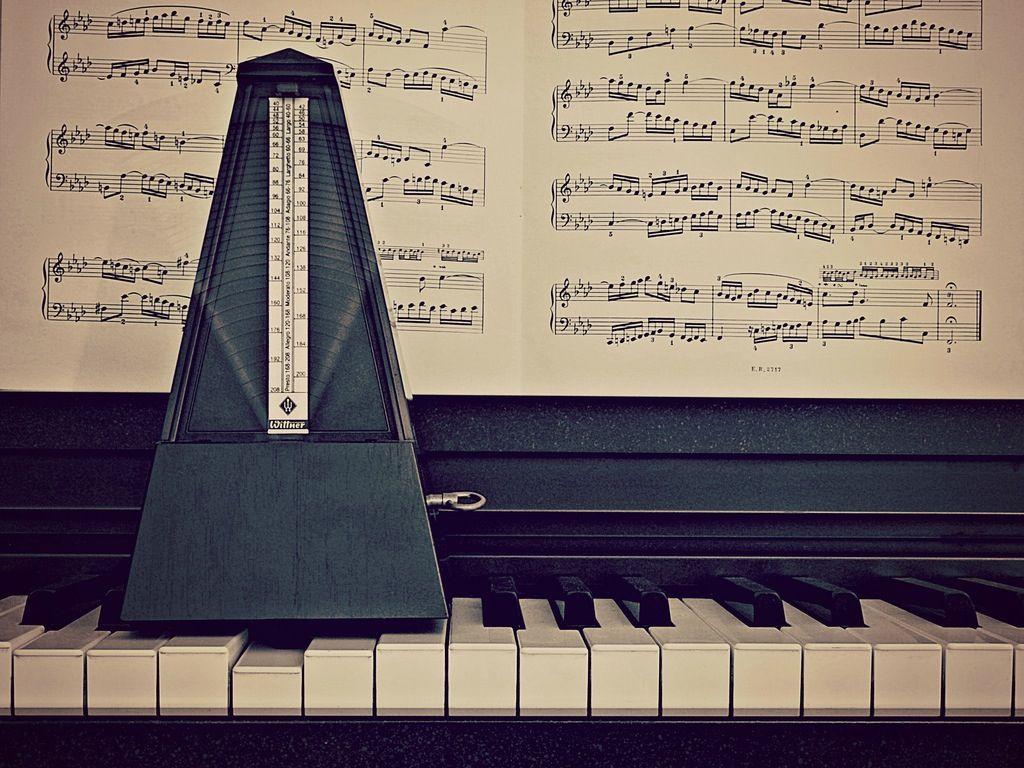
Music sheets covered the piano.
Letters from Harbin lay beside Manchukuo stamps.
Russian, French and English mingled in unfinished conversations.
Outside, Shanghai pulsed with electric modernity.
Neon signs flickered above Avenue Joffre.
American jazz drifted from the Paramount Ballroom.
White Russian taxi dancers hurried beneath plane trees.
Gangsters, diplomats, refugees and poets crossed paths beneath the glow of cabaret marquees.
The city was alive in the way doomed cities often are.
Serge Ermoll now led orchestras beneath mirrored ceilings and velvet curtains. His name appeared in newspapers beside photographs of dancers and visiting celebrities.
But success in Shanghai possessed a peculiar fragility.
Everyone sensed history moving nearby.
At night Xenia stood on the balcony listening to trams rattle through the French Concession.
“Do you think Harbin still remembers us?” she asked.
Serge did not answer immediately.
Far below, a taxi horn echoed through the humid dark.
“No,” he said eventually.
“But perhaps the lilacs do.”
“Memory is quite central for me. Part of it is that I like the actual texture of memory.”
— Kazuo Ishiguro, When We Were Orphans
The Pink Sea
Shanghai, 1937
War arrived like weather.
At first distant.
Then unavoidable.
Sirens shattered nightclub orchestras.
Refugees crowded railway stations. Smoke rose beyond the International Settlement.
Still the ballrooms remained open. Shanghai danced beside catastrophe.
Alexander Vertinsky sang beneath dim lights while Serge’s orchestra played softly behind him. Xenia watched from the wings as wealthy guests drank champagne only miles from bombardment.
The city had become surreal, luxury floating atop collapse/corpse.
One evening after performance, Vertinsky turned to Serge.
“We are all ghosts now,” he murmured.
Serge laughed quietly.
“No. Ghosts belong somewhere.”
Yet later, walking home through Route Robert beneath blackout curtains and humid summer air, he wondered if Vertinsky had been right.
Xenia stopped beside a flower seller.
Among the buckets stood lilacs.
Impossible lilacs.
Imported somehow from the north.
She touched them gently as if touching another life.
“Our lives are but shadows of one another.”
— Kazuo Ishiguro, When We Were Orphans
The Lilacs
Kamay Botany Bay, years later.
The lilacs bloomed again unexpectedly.
Not in Harbin.
Not in Shanghai.
But beside a weatherboard house overlooking Kamay Botany Bay.
The sea wind moved softly through the branches while old records spun inside the house:
fox-trots,
Russian romances,
half-forgotten tangos.
Photographs covered the table – Harbin orchestras,
Shanghai ballrooms,
Tsingtao promenades,
Route Robert apartments,
young faces dressed for vanished worlds.
Xenia sat quietly beside the window.
The century had scattered everyone through wars,
oceans,
languages,
cemeteries.
Yet memory persisted strangely.
Sometimes in music.
Sometimes in photographs.
Sometimes in flowers.
Outside, the lilacs trembled in the Australian light like survivors who had crossed continents carrying the scent of another world.
And somewhere beyond memory itself, the jazz still played.
“What is pertinent is the calmness of that beauty, its sense of restraint.”
— Kazuo Ishiguro, When We Were Orphans
 Strange Black Box