
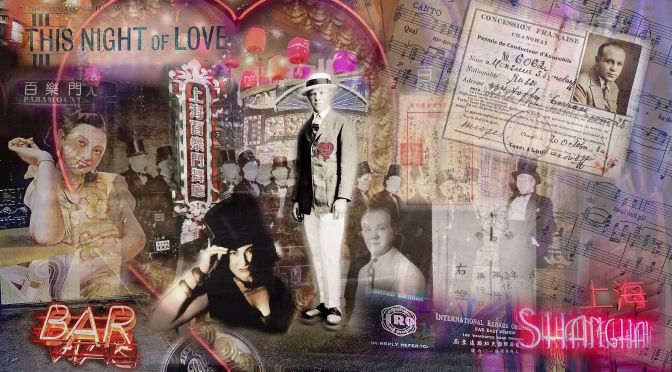
by Tatiana Pentes
A love story
Serge first saw Xenia beneath the chrome lights of Shanghai’s Paramount Ballroom, where the dance floor glowed like a tropical aquarium and every couple seemed to move inside a private current of music.
He was holding his baton lightly, as if it were a cigarette, a conductor’s wand, a weapon against exile. She stood near the edge of the room in a dark silk dress, her hair swept into a sculptural wave, pearl earrings catching the light each time she turned her head. She had the composure of old Russia and the radiance of a woman who understood that beauty, after loss, was not vanity but defiance.
The orchestra waited.
Serge lifted his hand.
The first notes moved through the room like champagne being poured.
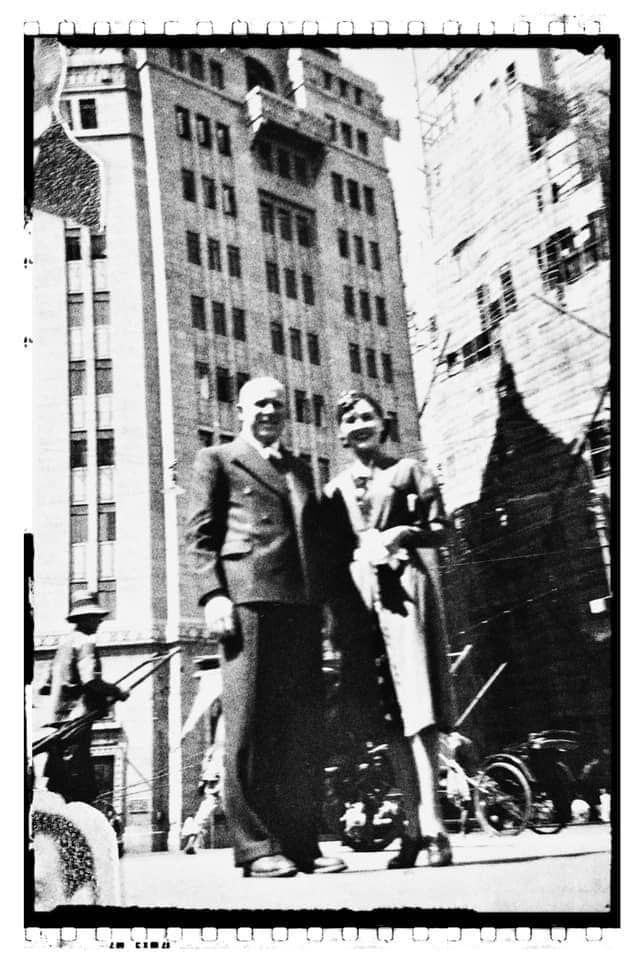
Xenia did not smile immediately. She listened first. That was what he noticed. Not her face, although it was exquisite; not the dress, although it followed her body with the liquid discipline of satin; but the way she listened, as if she could hear not only melody but fate, displacement, hunger, and the small stubborn pulse of survival beneath the brass.
Shanghai had made many people theatrical, but Xenia was not performing. She was composed.
Later, Serge crossed the ballroom and bowed.
“Madame,” he said, “you dance as though you already know the ending.”
“And you play,” she replied, “as though endings can be postponed.”
That was how their love began: not with innocence, but timing.
Xenia
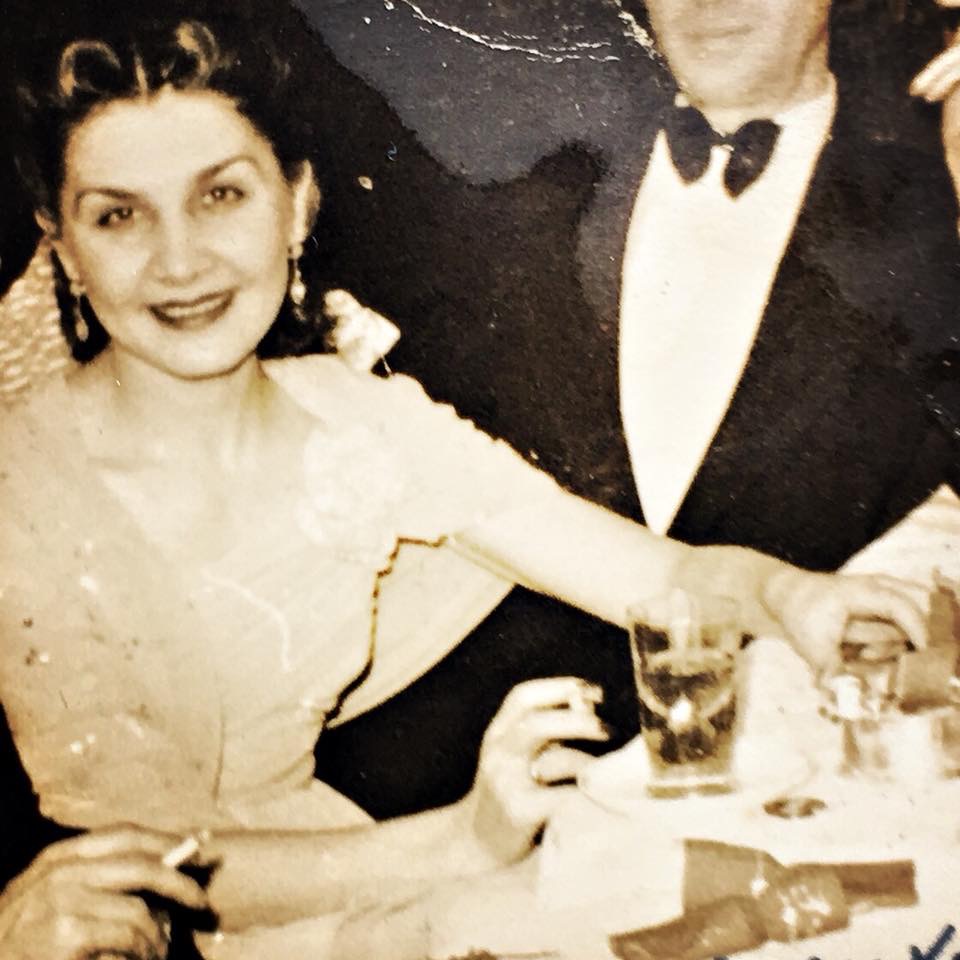
In the French Concession, Xenia became a legend without ever needing to claim the title.
She walked along Avenue Joffre under the plane trees in kid gloves, carrying a small black handbag clasped in silver. Her shoes were narrow-heeled, Parisian, impractical in rain, but she never hurried enough for weather to defeat her. She wore ivory blouses with covered buttons, wool skirts cut close at the hip, fox fur in winter, silk scarves knotted at the throat, and lipstick the colour of pomegranate skin.
Serge loved watching her dress.
This was not merely ornament. It was choreography.
First the stockings rolled up the leg. Then the slip, pale as candlelight. Then the dress, drawn carefully over the hips. Then earrings, powder, perfume behind the ears, a last inspection in the mirror.
“You dress like a woman preparing to enter history,” he said.
“No,” she answered. “Like a woman preparing to survive it.”
Their apartment was small, but Xenia made it theatrical. A shawl became a curtain. A chipped porcelain bowl held gardenias. Sheet music sat beside Russian icons. Serge’s drumsticks lay on the piano as casually as cutlery. In the evenings, when he returned from the Paramount or the Cathay or the French Club, he would find Xenia waiting beneath a lamp, her book open, her expression unreadable.
He always kissed her hand first.
It was their ritual.
The kiss on the hand said: the world outside may be disorder, but here we still know how to begin.
Serge
Serge played Shanghai as if it were an instrument.
He knew when the room wanted a foxtrot, when it needed a tango, when it was hungry for American swing, when Russian melancholy should be smuggled beneath a popular refrain. He understood that jazz was not simply music. It was negotiation. Brass against longing. Drums against fear. Clarinet against memory. A saxophone could say what an exile never dared.
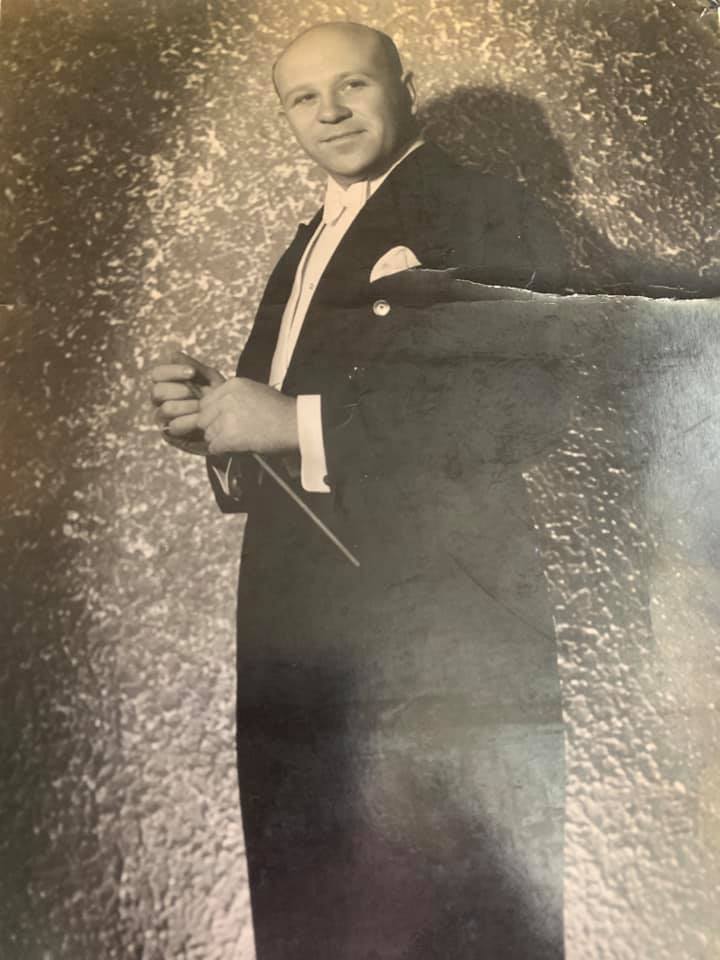
At the Paramount, the floor lit from below in shifting colours: blue for languor, rose for flirtation, green for jealousy, gold for intoxication. Serge stood before his orchestra in black evening clothes, white shirtfront gleaming, pocket square folded like a small flag of surrender. His bald head shone under the lights. His face, serious at first, softened when the rhythm caught.
When the drummer struck the brushes across the snare, Serge could feel the city exhale.
Chinese businessmen, French officials, Russian dancers, British bankers, Jewish tailors, American visitors, women with cigarette holders, men with uncertain passports—all of them turned together. For three minutes, history kept time.
Xenia often watched from a corner table.
She knew when he was tired. She knew when he was improvising. She knew which songs made him think of Harbin, which ones of Petersburg, which ones of no place at all.
Once, after a midnight set, he sat beside her, loosened his collar and said, “Music is the only country I still believe in.”
She touched his wrist.
“Then I shall live there with you.”
Asja
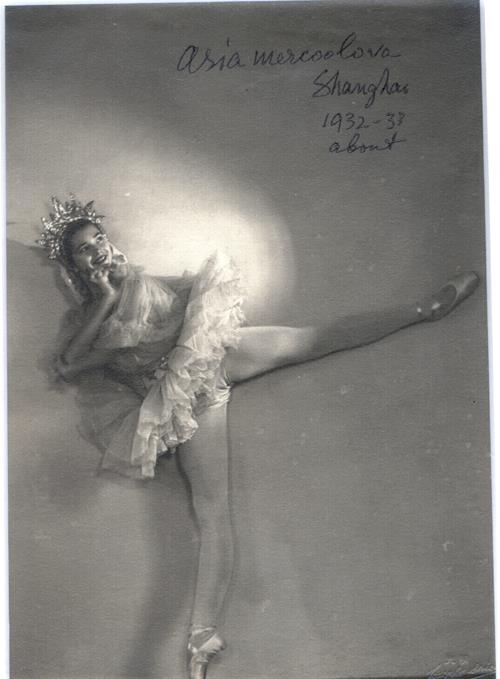
Asja adored them both.
To the child, Xenia and Serge were not merely aunt and uncle. They were proof that adults could be glamorous without being cruel.
Her own mother was beautiful but wounding, a woman whose affection came like a curtain being opened and closed without warning. Asja learned early to listen for danger in tone, to read the weather in a face, to retreat into imagination before being struck by words.
But at the Paramount, she was free.
She ran through corridors with other children, peered into ballrooms, watched dancers rehearse in satin heels, memorised routines before the chorus girls themselves could remember them. Serge laughed when she mimicked the choreography.
“This child,” he said, “has rhythm in her bones.”
Xenia corrected him.
“No. She has escape in her bones.”
Asja loved the backstage world: rouge pots, silk stockings drying over chairs, feathers, perfume, powder, cigarette smoke, music stands, warm brass, the soft thud of dance shoes, the glamorous exhaustion of women who worked all night under electric moons.
She loved Serge’s baton. She loved Xenia’s dressing table. She loved the way their rooms felt held together by taste and attention.
When her amah dressed her for festivals in a silk cheongsam, with satin trousers and embroidered slippers, Asja felt she belonged to every city at once. Her braids were tied with bright thread. Her mouth stained crimson and blue-green from forbidden spun sugar. Lanterns shaped like animals bobbed through the night. Chinese opera singers moved like painted spirits. Shanghai entered her senses before it entered her memory.
Years later, she would understand that childhood is made of such fragments: sugar, fear, music, silk, abandonment, laughter.
Kythera
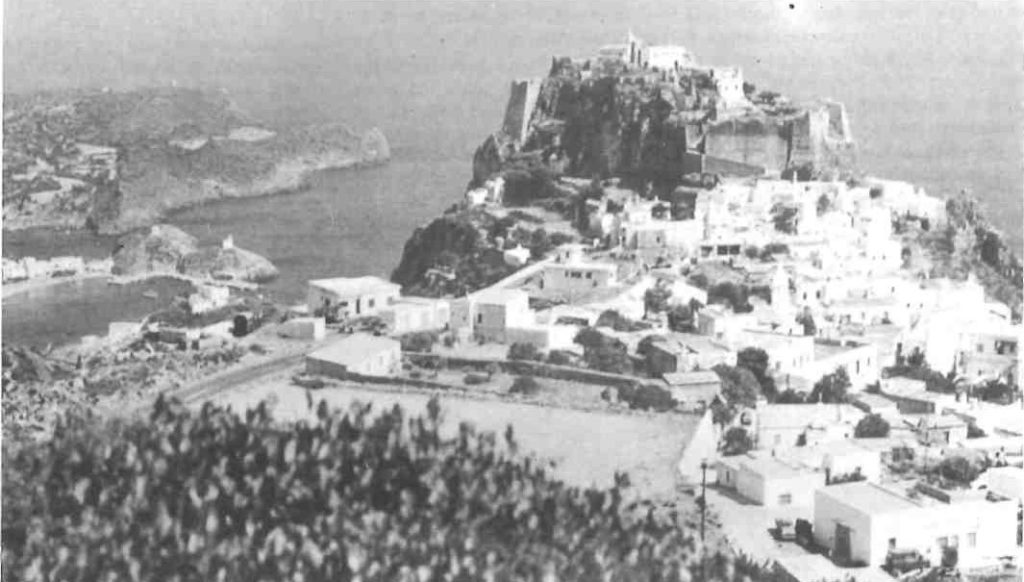
Although Xenia came from Russia and Serge belonged to the wandering cities of Asia, Kythera entered the family as a mythic counter-melody.
It was the island invoked in stories, the island of olive trees and white stucco houses, of stone paths, blue shutters, church bells, goat tracks, sea wind and terraces silvered with leaves. It was older than any quarrel. Older than surnames. Older than abandonment.
In classical painting and literature, Kythera was never only an island. It was a destination of desire.
Watteau painted lovers embarking for Cythera beneath a rose-gold sky, satin gowns billowing like phrases in a minuet. The figures seem to be arriving and departing at once, caught in the suspended rhythm between longing and loss. Aphrodite hovers over the island as an idea rather than a woman: love born from sea-foam, beauty rising from violence, tenderness emerging from rupture.
That was the secret Kythera carried into this.
Love does not come from perfect houses.
It rises from wreckage, dressed in light.
The island’s olive trees were like old dancers, twisted but still fruiting. Their trunks curved in muscular spirals, their leaves flashing silver and green in the wind like sequins on a dark dress. The stucco houses leaned into heat and salt. Cracks in the walls were not hidden but absorbed, becoming part of the architecture. Nothing pretended to be untouched.
For Xenia, who had known vanished Russia and precarious Shanghai, Kythera would have made immediate sense. It was beauty without fragility. It endured.
For Serge, it would have sounded like a slow composition for strings: goat bells, cicadas, sea, wind, distant church bells, the dry percussion of olives falling into nets.
For Asja, it would have been another stage set, but one made by gods rather than impresarios.
Natalya
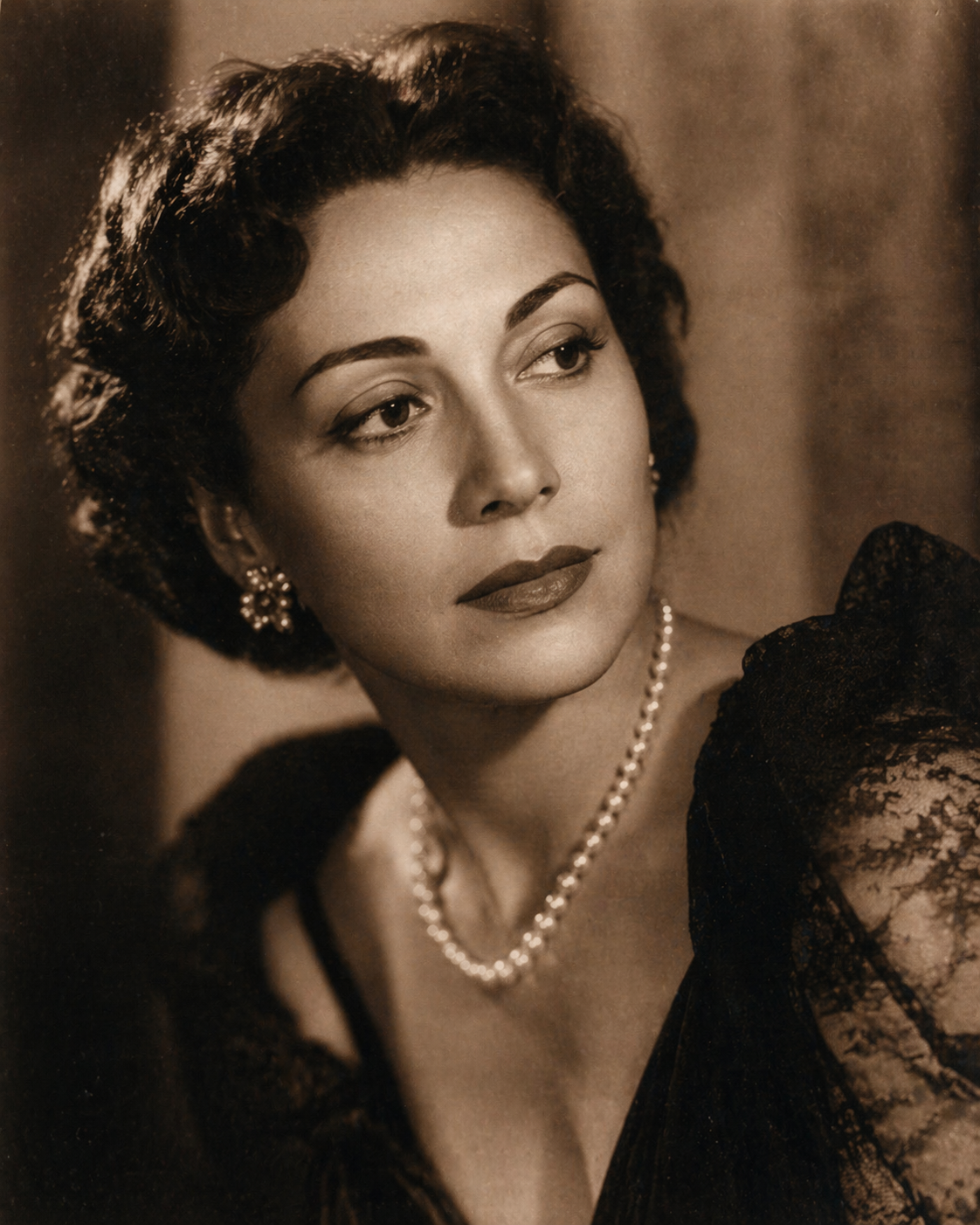
Decades later, Natalya inherited the mirror.
The brass art nouveau frame. The word Nostalgia written above the glass. It had watched Xenia powder herself, Serge adjust his collar, Asja stare at childhood from the edge of the bed, and later Natalya herself, six years old, abandoned in her grandparents’ room and trying to understand absence.
Yet in this rewritten story, the mirror no longer reflected only grief.
It reflected music.
It reflected Xenia’s satin dress. Serge’s baton. Asja’s little silk festival costume. A dolls’ house where no one disappeared. Kytheran olive trees. Shanghai rain. The warm sound of a saxophone. The way love can survive by changing key.
Natalya had built her own home in Sydney with Juan, whose love was not theatrical but steady, like bass notes under a melody. Their son Pedro grew into a man of discipline and grace: real estate by day, Muay Thai by night, a fighter with the courtesy of someone raised without emotional hunger.
Pedro had his grandmother’s alertness, his mother’s loyalty, his father’s calm, and perhaps something of Serge too: timing.
He knew when to advance, when to hold, when to leave the ring.
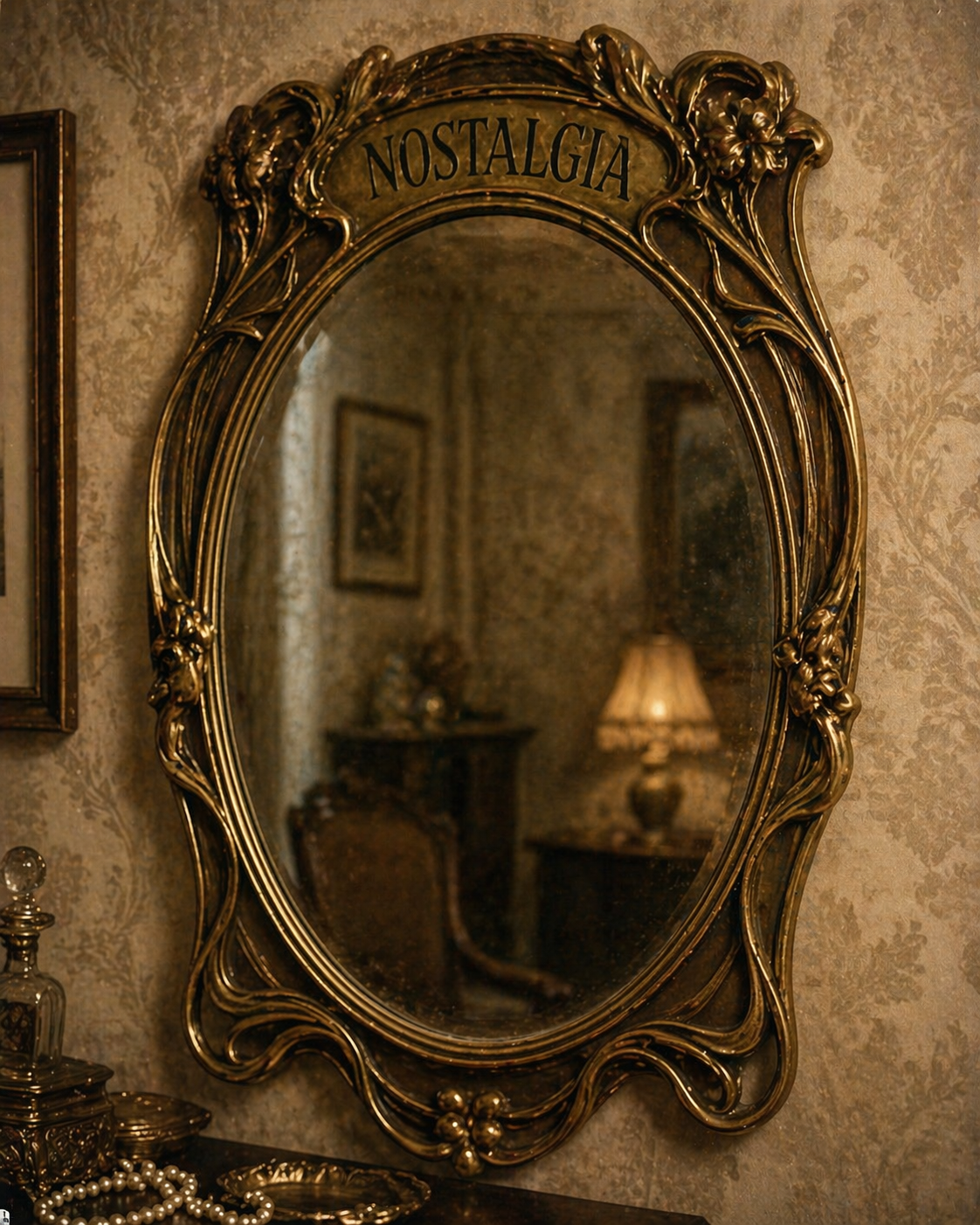
Pedro and Sinta
Pedro met Sinta in Hong Kong.
She was Filipino, a dancer, small-boned and luminous, with black hair cut to her shoulders and a smile that arrived slowly, like music finding its first chord. Her name meant love, darling, beloved. She told him this lightly, as though it were a joke, but Pedro understood that some names are prophecies.
She danced contemporary pieces in a small studio near Sheung Wan, then performed at night in intimate theatres where the stage lights made her skin glow bronze and gold. Her body moved with impossible articulation: wrists like birds, spine like water, feet striking the floor with sudden percussive clarity.
Pedro saw her perform before he met her.
The dance began in silence. Then a single drum. Then strings. Then a woman crossing an empty stage as if she were walking across memory itself.
Afterward, at a rooftop gathering above Central, she stood with a glass of white wine, wearing a cream linen dress and gold hoop earrings. Pedro, usually direct, found himself unusually careful.
“You dance like you’re remembering something that hasn’t happened yet,” he said.
Sinta laughed.
“And you speak like a man who has been raised by women who read too much.”
“My mother would take that as praise.”
“So would I.”
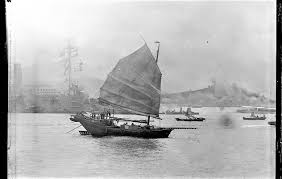
Hong Kong rose around them: harbour lights, ferries, towers, humidity, the old colonial city layered beneath the new financial one. The Peak looked down like a memory of empire. Somewhere below, boats crossed black water.
Pedro told her about Sydney. About his mother Natalya, the mirror, the Russian grandmother, the jazz bandleader in Shanghai. Sinta told him about Manila, her grandmother’s Catholic statues, childhood monsoons, rehearsals in rooms with broken fans, and Palawan, where the sea was so clear it seemed morally impossible.
“Come with me,” she said one evening.
“To Manila?”
“No. Further. El Nido.”
El Nido
El Nido was not like Kythera, though it belonged to the same grammar of islands.
Where Kythera was austere and ancient, El Nido was lush, cinematic, almost indecent in its beauty. Limestone karsts rose from the water like cathedrals made by weather. The lagoons were crystal-clear, green-blue, luminous from within. Boats moved between islands in the Bacuit Archipelago as if crossing a dream someone had painted too generously.
Pedro and Sinta travelled by boat to Miniloc Island. The sea was glass in the morning, then silver by noon, then indigo at dusk. Sinta wore a white cotton dress over her swimsuit, her hair tied with a red scarf. Pedro wore linen trousers rolled at the ankle and a loose shirt already softened by salt.
They swam in lagoons so clear their bodies seemed suspended in air.
Sinta floated on her back and said, “This is what love should feel like.”
“Like floating?”
“No. Like being held by something larger than both people.”
At night they ate grilled fish, mango, rice, calamansi, and drank cold beer under palm shadows. Music drifted from a nearby bar: guitar, soft drums, a woman singing in Tagalog. Pedro thought of Serge at the Paramount, Xenia under Shanghai lights, Kythera’s olives, his mother’s mirror.
Every generation had its own island of longing.
For Serge and Xenia it was Shanghai: dangerous, glittering, temporary.
For Natalya it was the home she built after abandonment.
For Pedro and Sinta it was this: a boat crossing between limestone cliffs, a woman laughing as spray hit her face, a man discovering that love need not be inherited as pain.
Sinta danced for him once on the beach at night.
No music, only waves.
Her shadow moved across the sand, arms lifting, hips turning, feet pressing into the shoreline. Pedro watched her and understood what Serge must have felt watching Xenia listen to the orchestra: that beauty becomes sacred when it survives the world and still chooses joy.
When she finished, he took her hand.
They stood there under a sky so thick with stars it seemed almost theatrical.
“Your name,” he said. “Sinta.”
She smiled.
“Yes?”
“It suits you.”
“It is only a name.”
“No,” he said. “It is a refrain.”

Eternal Return
When Pedro brought Sinta home to Sydney, Natalya saw at once that her son had crossed some invisible threshold.
Sinta arrived wearing a pale yellow dress, flat sandals, and a silver pendant shaped like a small bird. She carried flowers and mangoes, which made Juan laugh with immediate approval.
Natalya watched the young woman move through the house: graceful, observant, unafraid of silence. She paused before the mirror in the hallway.
“This is beautiful,” Sinta said.
“It belonged to my grandmother Xenia,” Natalya replied. “Before that, perhaps to Shanghai. Before that, who knows?”
Sinta leaned closer and read the word at the top.
“Nostalgia.”
“Yes.”
“In Tagalog,” Sinta said softly, “we have words for longing too. But sometimes longing is not only sadness. Sometimes it is a bridge.”
Natalya felt something loosen inside her.
That evening they ate outside beneath the jacaranda. Juan poured wine. Pedro told stories of Hong Kong and El Nido. Sinta described the lagoons, the karsts, the boatmen, the blue water, the way dancers learn rhythm from waves. Natalya spoke of Kythera, of Aphrodite and Watteau, of lovers forever embarking or departing. Then she told them about Serge and Xenia at the Paramount Ballroom, how he played as if exile could be syncopated, how she dressed as if beauty were a moral obligation.
Sinta listened intently.
“So the whole family is music,” she said.
Natalya smiled.
“Not always good music.”
“But still music.”
Pedro reached for Sinta’s hand across the table.
In the mirror inside the house, the last evening light caught the brass vines and made them glow.
For a moment, Natalya imagined all of them gathered there: Serge in his dinner jacket, baton lifted; Xenia in silk; Asja in a child’s cheongsam with sugar-stained lips; Marina in her quiet beauty; Juan with his steady hands; Pedro and Sinta radiant from island water; even Kythera’s olives and Shanghai’s ballroom lights, folded into one impossible reflection.
The old story had been about abandonment.
This new one was about rhythm.
The rhythm of those who leave.
The rhythm of those who stay.
The rhythm of those who cross oceans and carry love forward in another key.
And somewhere, beyond the mirror, Serge’s orchestra began again.
The Man Who Kept Time
In those years when Shanghai glittered like a chandelier above a fault line, there were many men who believed they directed events. Admirals in pressed white uniforms leaned over maps. Bankers moved currencies across oceans with the stroke of a pen. Politicians wrote memoranda in rooms scented by leather and tobacco. Generals studied distances. Diplomats studied each other.
But it was Serge who kept time.
He was never announced with the others. No flag saluted him. No driver opened a car door. No newspaper printed his opinions beside a photograph. Yet when evening fell and the city loosened its collar, doors opened for him that remained closed to men of rank.
He carried no briefcase, only a baton.
The war years had bent Shanghai into strange shapes. Streets changed names. Friends disappeared. Languages became passwords. Refugees arrived with jewels sewn into hems and departed with nothing but a suitcase and a memory. Empires shrank behind guarded gates. Hunger stood beside perfume counters. At the river, ships waited like thoughts not yet spoken.
Serge moved through it all with the discretion of a metronome.
In the afternoons he rehearsed musicians in upstairs rooms where ceiling plaster had cracked from humidity and history. Russians with tired violins. Filipinos whose drumming could wake the dead. Chinese pianists who played Debussy from memory and jazz by instinct. A trumpet player from Manila who polished his shoes more often than his instrument. Men with old passports and no country but rhythm.
By dusk they became an orchestra.
He understood something the powerful did not: order is often maintained less by decree than by atmosphere. Give anxious men a melody and they postpone quarrels. Give homesick officers a dance floor and they remember civilisation. Give enemies a shared song and they may, for three minutes, become merely listeners.
So Serge was summoned where strain required elegance.
At the Pacific Fleet Officers’ Mess he played for dinners where silverware flashed beneath chandeliers and conversations travelled from troop movements to horse racing to women no one would marry. He watched British commanders pretend calm, Americans cultivate optimism, French officers wear defeat with style, and businessmen discuss opportunity with tragic timing.
He knew who was leaving before they did. A man asks for a waltz when he is nostalgic, a foxtrot when he is hopeful, a tango when he is lying.
Sometimes he played until dawn.
After midnight the masks softened. Young lieutenants spoke of mothers in Ohio or sisters in Kent. Hardened men cried only when nobody was looking. A colonel requested the same song each week because it had been played on a verandah in Rangoon before everything burned. Serge gave it to him each time without comment.
He was custodian of their private ruins.
Xenia once asked him, in the apartment where the mirror held more light than the windows, whether he regretted not becoming famous.
“Famous where?” he said.
She laughed and lit another cigarette.
“You could have gone to Paris.”
“Paris was full of musicians.”
“And Shanghai?”
“Shanghai was full of people who needed one.”
She considered this answer, then kissed him on the forehead as if blessing a child or absolving a priest.
When the Allies returned after the Japanese surrender, the city exhaled smoke and confusion. Flags changed again. Uniforms multiplied. Warehouses reopened. Dance halls repainted their entrances and called it renewal. Serge received a transportation pass and new engagements at officers’ clubs where victory was celebrated with the exhaustion of survivors.
He played marches badly and swing brilliantly.
The Americans liked energy. The French preferred sentiment. The British requested restraint, then drank enough to contradict themselves. Serge obliged each nationality while belonging to none.
He was valuable because he understood translation beyond language. He could convert grief into a ballad, tension into rhythm, loneliness into applause.
One night, during a reception crowded with medals and perfume, a power failure extinguished the hall. Gasps rose. Somewhere a glass broke. Outside, the city was black except for distant fires and a moon snagged on the river.
Serge did not wait for electricity.
He struck the piano keys once in darkness and began to sing in Russian, low and unhurried. One by one the musicians joined him—clarinet, muted trumpet, brushed snare. Candles appeared. Lighters flickered. Officers and their wives stood motionless in the half-light, faces softened into anonymity.
No one understood the words.
Everyone understood the song.
Later, an American captain told him it was the finest evening of the war.
“But the war is over,” Serge said.
The captain stared into his drink.
“That,” he replied, “depends where you stand.”
Years later, when the city had changed costumes yet again, when names were erased from brass plaques and old clubs became offices, storerooms, ministries, or ghosts, people remembered fragments.
A woman in Melbourne recalled dancing barefoot to a fox-trot in unbearable heat. A retired diplomat in Geneva remembered a Russian bandleader who could quiet a room with one lifted finger. A widower in Vancouver hummed a melody he had not heard since 1946 and wept without knowing why.
This was Serge’s contribution: not strategy, not speeches, not victory maps with arrows drawn in red.
He kept human beings from hardening entirely.
In the mirror of memory, where wars appear grander and lives smaller than they were, one sees again the chandeliers, the uniforms, the river beyond the windows.
And near the bandstand, patient as time itself, Serge raises his baton.

