Tag Archives: Art

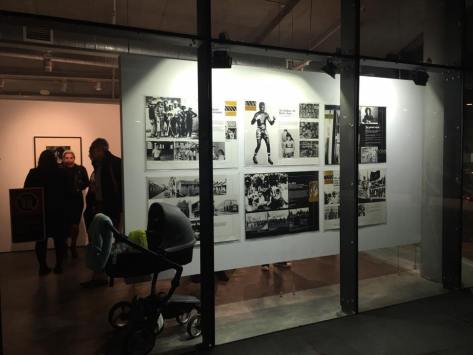
BY A WINDOW : Riley: Perkins

4- 27 AUGUST
https://verge-gallery.net/2016/06/14/by-a-window/

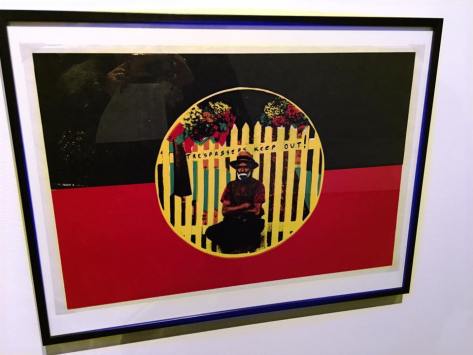
Verge Gallery & Australian Centre for Photography featuring Michael Riley photographs from the University of Sydney Union art collection and archival material from the University of Sydney Archives, The Settlement Community Centre and the State Library of NSW. Encounter key artists such as Tracey Moffatt, Avril Quail and Fiona Foley, Boomalli, The Settlement Mural Project, The South Sydney Visual History Project organised by Geoffrey Weary in collaboration with Tin Shed 1983.#byawindowverge

Verge003

Verge007

Geoffrey Weary’s video art: ‘Failure To Materialise’ featured in book

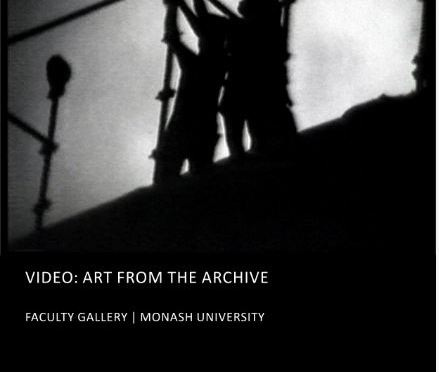
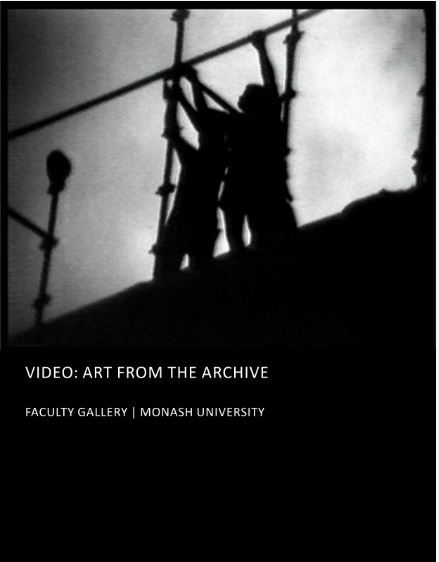
Image: Failure To Materialise by Geoffrey Weary, Video: Art From the Archive, Monash University

Geoffrey Weary’s video and films: Scenes From A Shanghai Hotel, Failure to Materialise, and MUSEUM, collected by AVAA Australian Video Art Archive whose aims are to continue building an on-line video archive and a research collection of new and historical Australian video and performance art works http://www.videoartchive.org.au/gweary/shangai.html.

Geoffrey Weary’s video art was curated 27 September – 8 October 2010 in an exhibition VIDEO: Art From The Archive, Faculty Gallery, Monash University, Victoria, AUSTRALIA. The exhibition catalogue was published with a curatorial essay in MADA (Monash University Art Design & Architecture) an online portal of Monash publications.

View online Video: Art from the Archive (2010): Monash Essay by Leonie Cooper, Elena Galimberti, Matthew Perkins; list of works in Gallery; 7 pp. 3 illus. ISBN: 978-921179-79-2

Image: Failure To Materialise by Geoffrey Weary, Video: Art From the Archive, Monash University


PORTRAITS: films by Geoffrey Weary

TIME WAS.... by Geoffrey Weary - part of PORTRAITS a three part film series...
TIME WAS…. by Geoffrey Weary – part of PORTRAITS a three part film series…

TIME WAS…….
Geoffrey Weary (digital prints)

Sydney College of the Arts
Opening Tuesday, 4 – 29 September

SCA Galleries Sydney College of the Arts
Crn Cecily & Darling St, Rozelle
Sydney, AUSTRALIA

PORTRAITS 2005 – 2014

Production Company: Strange Cities Productions
Director/Producer: Geoffrey Weary
email: Geoff.Weary@sydney.edu.au

Cast:Tatiana Pentes, Leakhena Sy, Rose Tang

PORTRAITS is an experimental digital work that explores three contrasting experiences of war and conflict in the middle and late 20th century. A woman living in Shanghai is expelled from China after the Communist Revolution in 1949. The ghosts of the Cold War appear and disappear in the crumbling ruins of the Berlin Wall in 1990. A young woman suffers a crisis of identity around the circumstances of her birth at the end of the war in Cambodia in 1978


SCENES FROM A SHANGHAI HOTEL (2007)

An experimental film by Geoffrey Weary

A Russian woman living in Shanghai is expelled from China after the Communist Revolution in 1948. Her story begins in a hotel room in Shanghai and ends on a suburban street in Sydney, Australia. Performative, fictional, and documentary elements are blended into a work that is suggestive and open to multiple readings. Extensive use of film leader and scratchy film surfaces add to the sense that what we are seeing resembles something that is illusive, dream-like, just beyond grasp…..or is it just a newsreel playing in someone’s head?


CAPTIVE

An experimental film by Geoffrey Weary

CAPTIVE explores the themes of repression, confinement and escape. These themes are expressed through the incorporation of grainy VHS footage shot in Berlin at the time of the collapse of the Berlin Wall, hand-held camera sequences shot in a maze-like forest and slices of footage composited out of archival Cold War films. As the real historical Wall crumbles under the blows of street hawkers and souvenir hunters, ghostly specters from the past appear then dissolve back into the scratchy surface of a long forgotten newsreel.

Captive by Geoffrey Weary from Strange Cities Productions on Vimeo.


My Mother Told Me (2007)

An experimental film by Geoffrey Weary

A young woman tells the story of her family’s destruction during the war in Cambodia, 1975-1978. Later as a refugee living with her mother in Sydney, Australia she suffers an identity crisis that is linked to the unexplained circumstances of her birth and the mystery of the father that she has never known.

My Mother Told Me by Geoffrey Weary from Strange Cities Productions on Vimeo.
My Mother Told Me 2007

Australia’s audiovisual heritage online Australian Screen http://aso.gov.au/titles/shorts/my-mother-told-me/

CHINA HEART: iPhone App: dLux media arts

China Heart: Images: Tatiana Pentes & Geoffrey Weary

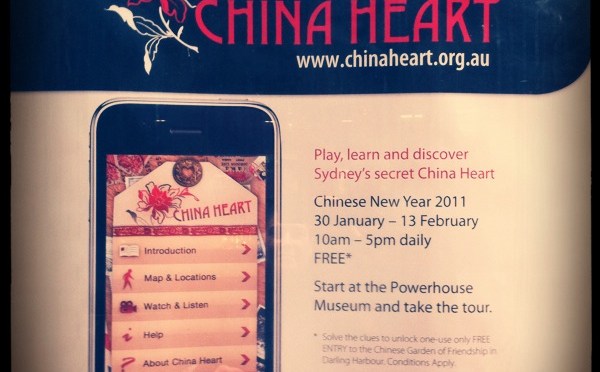
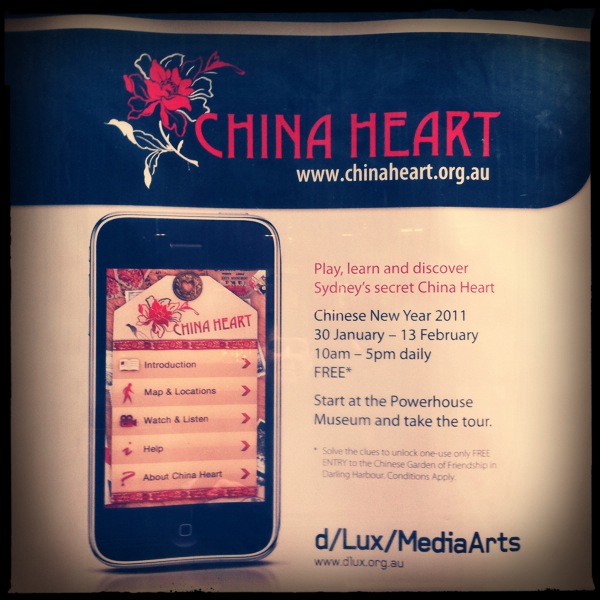
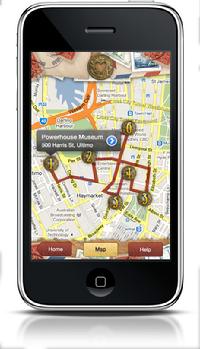
China Heart is a partnership with dLux Media Arts , the Powerhouse Museum, Gallery 4A, The Project Factory writer/director/producer Annette Shun Wah & sound design Kingston Sound – China Heart merges video storytelling, game play and historical re-enactments with real-life art installation and performance. Participants unravel a mystery, solving video and real life clues while following a walking tour through significant locations in Sydney’s Chinatown guided by the application’s GPS technology. China Heart is multi-platform and can be experienced via Androids, iPhones, some Nokias and web. China Heart is both a love story and a mystery — but it also uses an innovative interface to rediscover the experiences and history of Chinese Australian families, and particularly women, in the process of finding a home in Sydney. China Heart ran through Chinese New Year festival and was an Installation at the Powerhouse Museum, in addition the site of the old Trocadero in Albion Lane, and the Chinese Gardens, Sydney. Funded through Screen Australia and the New South Wales Film & Television Office. CHINA HEART dLux media arts Media Release

CHINA HEART iPhone APP: website: locative drama & on the site of the old Trocadero in Albion Lane, Sydney.Tatiana Pentes & Geoffrey Weary images.
CHINA HEART iPhone APP: website: locative drama & installation on the site of the old Trocadero in Albion Lane, Sydney. Tatiana Pentes &Geoffrey Weary images.


Tatiana Pentes’ participation includes brand logo design, graphic interface design, look & feel of iPhone app, visual research, and editing & digital effects for the moving image & sound sequences.

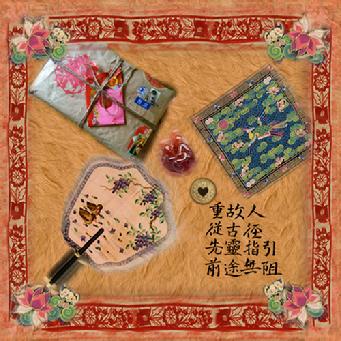
The objects from China: poster design by Tatiana Pentes


A love story, a puzzle and a challenge

Lian is a young woman whose plans to marry are stalled when she receives a mysterious engagement present with a strange message. Will she ever be able to marry her beloved David?

Players help Lian solve the puzzle of her family’s past and her cultural history guided by dramatic clues, oral histories and historic re-enactments downloaded on their own mobile phones so her wedding can take place as planned

Download iPhone app from iTunes store online.

China Heart graphics interface: design Tatiana Pentes

Read China Heart Producer: Josie Emery’s blog: exploring her experience working as a producer on the project on the project
Read the interview with Tara Morelos: dLux media arts Director/ Annette Shun Wah & Jennifer Wilson on “China heart: Moblie Locative Storytelling” on the Powerhouse Museum’s site.

Read a review of China Heart in The Daily Telegraph, 29 January 2011
Listen to the podcast of Annette Shun Wah’s interview on China Heart with Life Matters, ABC Radio National, 1 February 2011
Review of China Heart app Australian Financial Review 28-30 Jan 2011 (pdf)

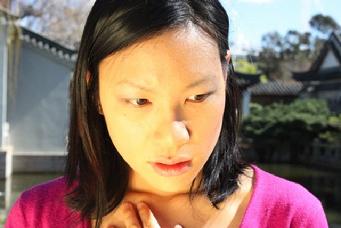
Lian having a spectral moment: photo Geoffrey Weary
China Heart: Chinese Note: iPhone app design Tatiana Pentes

China Heart Promo from Tara Morelos on Vimeo.

Credits List China Heart Productions

Cast
Monica Russell
Gabrielle Chan
David Lang
Tony Chu
Brigid O’Sullivan

Camera & Sound
Fish Productions
Ka Wai Ho

Stills Photographer
Geoffrey Weary

Art Direction & Design
Tatiana Pentez

Editors
Ka Wai Ho
Tatiana Pentez

Post-production Sound & Music
Kingston Sound

Composer
Paul Healy

Sound Design
Sasha Zastavnikovic

Trailer & Promo Director
Carolyn Taylor

Writer, Director, Producer
Annette Shun Wah

Producer
Josephine Emery

Director dLux media arts
Tara Morelos

Oral History interviews recorded at Stellar Sound.


China Heart: a location based historical drama for iPhone & online
China Heart Logo Design: Tatiana Pentes

WORSHIP: SCULPTURE: DANCE

Tatiana Pentes, WORSHIP SCULPTURE DANCE, Master of Art (Media Arts), CoFa, UNSW, 1995 [download paper]

Figure 1 Digital montage from A Few Small Snaps digital film artwork by Tatiana Pentes

Tatiana_AFewSmallSnaps

ABSTRACT
This study documents the production of a set of digital film artworks installed in the College of Fine Arts gallery as the culmination of the Master of Art (Film, Video, Sound, and Computing), Media Arts. The digital film artworks are comprised of : (i) Worship Sculpture Dance: Odissi : Movements in Stone, the imaging an ancient devotional classical Indian dance form Odissi, from the state of Orissa, India; (ii) Zang Tumb Tumb 1, inspired by the Futurist sound poetry of Filippo Tommaso Marinetti, and the Luigi Russolo and The Art of Noise; (iii) A Few Small Snaps, the digital animation of a series of autobiographical self-portraits stimulated by a study of the Mexican self-portrait painting of Frida Kahlo; and  (iv) Strange Cities2 an interactive CD-Rom new media script. Strange Cities script (writing) has been included to the Worship Sculpture Dance study as blueprint for potential future research and development. The aim of this creative research has been to focus on new technology as a contribution to a questioning of traditional (analogue) modes of art production.

The approach has been to explore & image traditional classical Indian forms of representation (dance, choreography, & music) and to re-interpret and translate these ancient  forms  as a new form of engagement.  At the same time, the objective of this creative research has been interrogate transforming notions of the filmic, televisual, radio(audio)phonic, sonic  and the (digital) computer medium, and to investigate questions of authorship and to challenge the uniqueness of the art object. This creative work is the outcome of conceptual and art historical research, focusing on the potential of an articulation of the philosophical, historical, cultural, formal and spiritual in a digital (computer) landscape.

Technological and Conceptual Framework
These digital films that have been produced and installed in the gallery context: (i) Odissi : Movements in Stone; (ii) Zang Tumb Tumb; and (iii) A Few Small Snaps, for the Worship Sculpture Dance forming a major creative artwork exhibition.

The objective of this creative research has been to question traditional (analogue) modes of art production, and the approach has been to explore & image avant garde European sound poetry, self-portraiture and traditional classical Indian sanskrit forms (dance, choreography, and music culture) and to re-interpret and translate these (analogue) forms (using a new stylus, pen & glue-stick) and to produce a critical engagement with these representations of Other. Simultaneously, the objective has been to interrogate transforming notions of the filmic, televisual, videographic radio(audio)phonic, sonic and moving image (animation) in the (digital) computer environment; to investigate notions of ‘self’ in a cross-cultural environment; to question the Western concept of authorship and to challenge the uniqueness of the art object.

These digital film artworks have been generated in the new multi-media environment of the computer. The installation of these digital films in the gallery context has provided the context for social interaction and engagment with the artworks in the form of an exhibition. The artworks have been produced using Macintosh computer software and hardware, and the following
software digital imaging and editing programs.

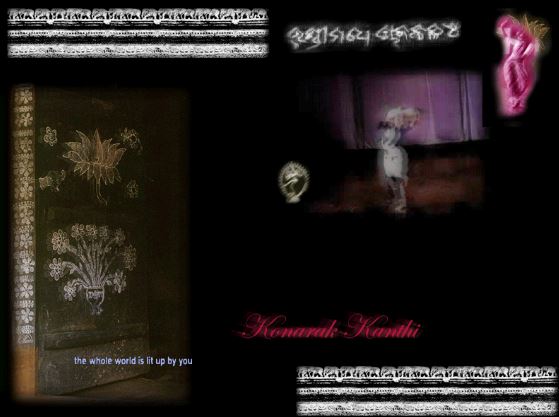
Worship: Sculpture: Dance: a digital film by Tatiana Pentes: special thanks Geoffrey Weary

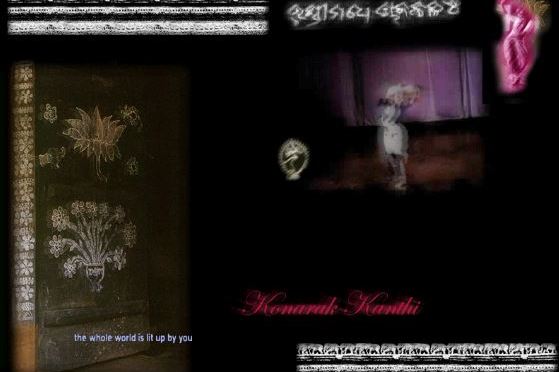
Image 2. Digital film still Chitritta Mukerjee, Odissi Dance Company performs Konarak Kanthi at The Performance Space, Sydney 1993, by Tatiana Pentes


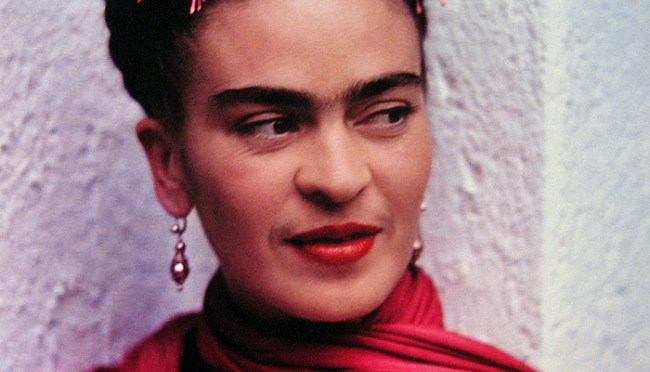
CRUEL BEAUTY: The Broken Column: The self-portraits of Frida Kahlo

CRUEL BEAUTY
The articulation of ‘self’, ‘identity’ and the creation of an innovative feminine vocabulary in the self-portrait paintings of Frida Kahlo.
A dissertation submitted in fulfillment of the requirements of the Master of Letters (Art History & Theory/ Gender Studies), University of Sydney, 1998 (with Merit), book published VDM Verlag Germany, 2009. [download book Sydney eScholarship Repository]

TheBrokenColumn_KAHLO

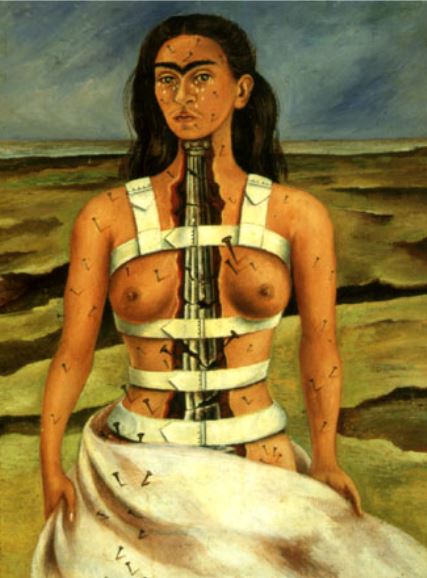
Frida Kahlo, The Broken Column (1944), oil on tin, Source: Herrera, Hayden, Frida : A Biography, Harper and Row, New York, 1983.

Feet what do I need them for
If I have wings to fly. 1953
Frida Kahlo’s Diary 1

Abstract: The Self-Portraits of FRIDA KAHLO

This book examines the self-portraits of Frida Kahlo and explores the way in which they articulate a ‘self’ and ‘identity’ through creating an innovative feminine vocabulary. The aim of this creative research is to explore the way in which Frida Kahlo represented her sexual subjectivity in the body of self-portraits she produced in her short life time. The self-portraits, some of which were produced in a state of severe physical disability and chronic illness, were also created in the shadow of her famous partner- socialist Mexican muralist/ revolutionary Diego Rivera. An examination of the significant body of self-portrait paintings produced by Frida Kahlo, informed by her personal letters, poems, and photographs, broadens the conventional definitions of subjective self beyond the generic patterns of autobiographical narrative, characteristic of an inherently masculine Western ‘self’. In Kahlo’s self-portraits the representation of the urban Mexican proletarian woman-child draws stylistically from the domain of European self-portraiture, early studio photographic portraiture, and the biographical Mexican Catholic retablo art, with its indebtedness to the ancient Aztec Indian
symbology of self.

The Impulse to Represent the Self: Narcissus
The first image was a portrait. In classical mythology, a lovely youth named Narcissus lay beside a pool gazing in adoration of his own reflection…In the Bible St Veronica compassionately pressed a cloth against Christ’s face as he stumbled to Calvary, and found His true image miraculously printed on the material…St Luke became a painter because, having experienced a vision of the Virgin Mary, he was inspired to produce a faithful portrait of her. 2 The self-portraits of Frida Kahlo significantly open up a new horizon in twentieth century painting. The works, created in Mexico in the 1930’s and 1940’s intersect with and extend the tradition of self-portraiture in the West. Contemporary modernist Mexican concerns to conserve, celebrate, and resurrect indigenous Mexican Indian culture were likened to the classical re-discovery of Greco-Roman antiquity in Renaissance Art. The portrait genre existed in Western antiquity and the early Christian world in the form of statues, busts, coins, sarcophagi and wall paintings. 3 The re-discovery of portraiture has been considered a definitive feature of the Renaissance, as exemplified by the artist Albrecht Durer’s project to represent the self. Durer fashions his 1500 Self-Portrait as an emblem of the powers of the individual creator, with the visual allusion to the vera icon of Christ.

“ Durer mythicises the identity between image and maker …endowing his likeness with the “omnivoyance” of a holy icon, he celebrates himself as a universal subject, whose all-seeing gaze is subject to none.” 4

Strikingly, there are parallels with Kahlo’s own impulse to represent the self in a period of Mexican history that has been termed the Mexican “Renaissance”. The legacy of Durer in Kahlo’s art is manifest in the close analogy between (i) bodies and texts, (ii) the artist’s self-portrait and the holy image (in the case of Durer, the body of Christ); and (iii) the Renaissance painter’s ascent from craftsman to artist, celebrating the artist’s art as the vera icon of personal skill. The Renaissance humanist notion of Man as created in the image of God is envisioned in Durer’s idealised 1500 Self-Portrait, where he is both created in the image of God and through artistic production creates as God. Kahlo’s repeated imaging of her incomplete barren body, a suffering and wounded body, places the woman-child at the centre of the universe, as universal all-seeing subject, yet corrupted and incomplete, as in Durer’s later self-portraits. Kahlo’s self-portrait works such as The Broken Column (1944); The Wounded Deer (1946); and The Two Frida’s (1939), recall the representation of the body in pain in Durer’s Self-Portrait as Man of Sorrows and Self-Portrait of the Sick Durer (a. 1512). In these works there is no illusory sense of self mastery in depictions of the wounded and incomplete body.

 A shadow flickers across the history of the self-portrait, from Durer’s art in the Renaissance to twentieth century modernism – the original founding myth, the desire for self knowledge and the Fall. Transcending the Biblical manifestation of this myth and at the heart of the desire to regain the paradise lost of immortality is ever-present tyranny of the flesh – Death. Durer analogises his body and self in his self-portraits to the divine emblem of Christ, whose ability to transfigure Death in the Resurrection image and his eternal life, is reiterated in Kahlo’s self- portrait’s which iconocise her suffering body, expressing the interior landscape of the artist, and a psychological space of sensation, emotion, and memory.While these qualities are present in traditional masculine self-portraits, in Kahlo’s self-portrait work it is perhaps for the first time that Western painting has represented the specificity of feminine sexual subjectivity.

Photographic Portraiture
Frida Kahlo’s Jewish/German immigrant father Guillermo Kahlo was introduced to photography by his second wife (Frida’s Spanish/ Indian mother) Matilde Calderon de Kahlo, whose own father was a photographer. Matilde encouraged Guillermo to take up her father’s profession. This resulted in Guillermo Kahlo’s first major Commission – by the Secretary of the Treasurer under dictator Porfirio Diaz – to record Mexico’s architectural heritage for the 1910 celebration of the centennial of Mexican Independence. This won Guillermo the accolade of “first official photographer of Mexico’s cultural patrimony”. 5
Modern photographic portraiture had a profound influence on Kahlo’s self-portraits, which she often used as the basis of her paintings. In the work My Grandparents, My Parents, and I (1936) there is visual evidence to suggest that the portraits of her parents are directly based on their wedding photograph. 6

This highlights the legacy of the recent photographic medium upon modern painting, a medium with a tradition spanning centuries. As Roland Barthes writing on photography articulates… ” Painting can feign reality without having seen it. Discourse has signs which have referents… Contrary to these imitations, in Photography I can never deny that a thing has been there. 7

The self-portraits represent Kahlo’s reality, like the folk retablos in which the village artisan pins objects from the accident to the votive offering (a victims hair, samples of a vehicles wreckage), she symbolically rather than physically incorporates traces of imaginary and material objects. In all the roughly fifty five self-portraits produced the lens is turned back upon the viewer who is forced to apprehend the dominating subjective gaze of the model Kahlo, thus the surveyor becomes surveyed.

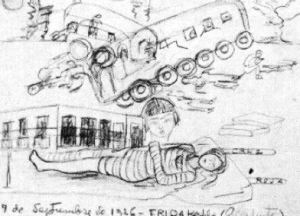
2. The Bus Accident, “Assassinated by Life”
BusAccident_KAHLO
Figure 2. Frida’s drawing of her accident in Herrera, Hayden, Frida: A Biography of Frida Kahlo, Harper and Row, New York, 1983, plate 10

Central to the Frida Kahlo narrative of self is a tragic bus accident, the injuries incurred of which she never physically or emotionally recovered. Indeed the physical injuries sustained in the accident when she was eighteen

years old prevented her ability to hold a pregnancy, and in later years, of being able to walk. Kahlo remembered the bus accident on the afternoon of 17 September, 1925: The accident took place on a corner in front of the San Juan market exactly in front. The streetcar went slowly, but our bus driver was a very nervous young man. When the trolley car went around the corner the bus was pushed against the wall…It is a lie that one is aware of the crash, a lie that one cries. In me there were no tears. The crash bounced us forward and a handrail pierced me the way a sword pierces a bull… 8 Frida’s lover Alejandro Gomez Arias described her situation:…Something strange had happened. Frida was totally nude. The collision had unfastened her clothes. Someone on the bus, probably a painter had been carrying a packet of powdered gold. This package broke, and the gold fell all over the bleeding body of Frida…and then I noticed with horror that Frida had a piece ofn iron in her body.” …They thought she would die on the operating table… The steel handrail had literally skewered her body at the level of the abdomen; entering her left side…“I lost my virginity”, she said. 9

The images of suffering, wounds, loss, grief, and barrenness appearing in much of her work could be derived from this fateful accident, an event scarring her body for life. The tears that she claims she never shed on that day seem to be endlessly reproduced in her pictures. The pain that she suffered throughout her short lifespan necessitated the long term and perpetual use of pain-killers and morphine. Indeed, all medical evidence pointed towards this substance as the cause of Kahlo’s suicide 13 July 1954. 10

1 Kahlo, Frida,The Diary of Frida Kahlo, Bloomsbury, London, 1995, p134.
2 Woodall, Joanna (Ed), Portraiture: Facing the Subject, Manchester University Press, New York, 1997, p1. (via the translation of Arabic texts into Latin)
3 Woodall, Joanna (Ed),op cit p1.
4 Koerner, Joseph Leo, The Moment of Self-Portraiture in German Renaissance Art, The University of ChicagoPress, London and Chicago, 1993, p242.
5 Herrera, Hayden, Frida: A Biography of Frida Kahlo, Harper and Row, New York, 1983, p5.
6 Herrera, Hayden, op cit p8.
7 Barthes, Roland, Camera Lucida, Flamingo, Great Britain, 1980, p76. [my italics]8 Herrera, Hayden, op cit3, p48.
8 Herrera, Hayden,op cit p48.
9 Herrera, Hayden,op cit p49.
10 Kahlo, Frida, The Diary of Frida Kahlo, Bloomsbury, London, 1995, p134.

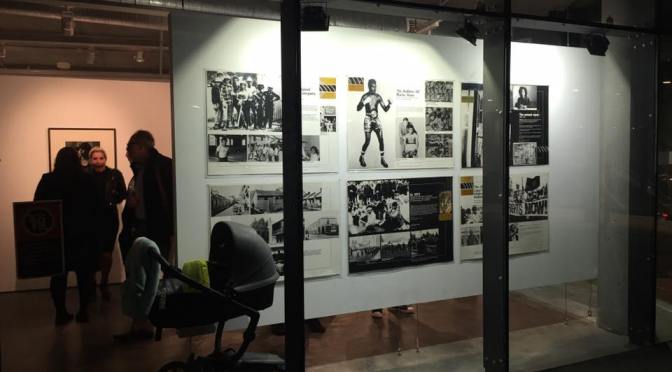
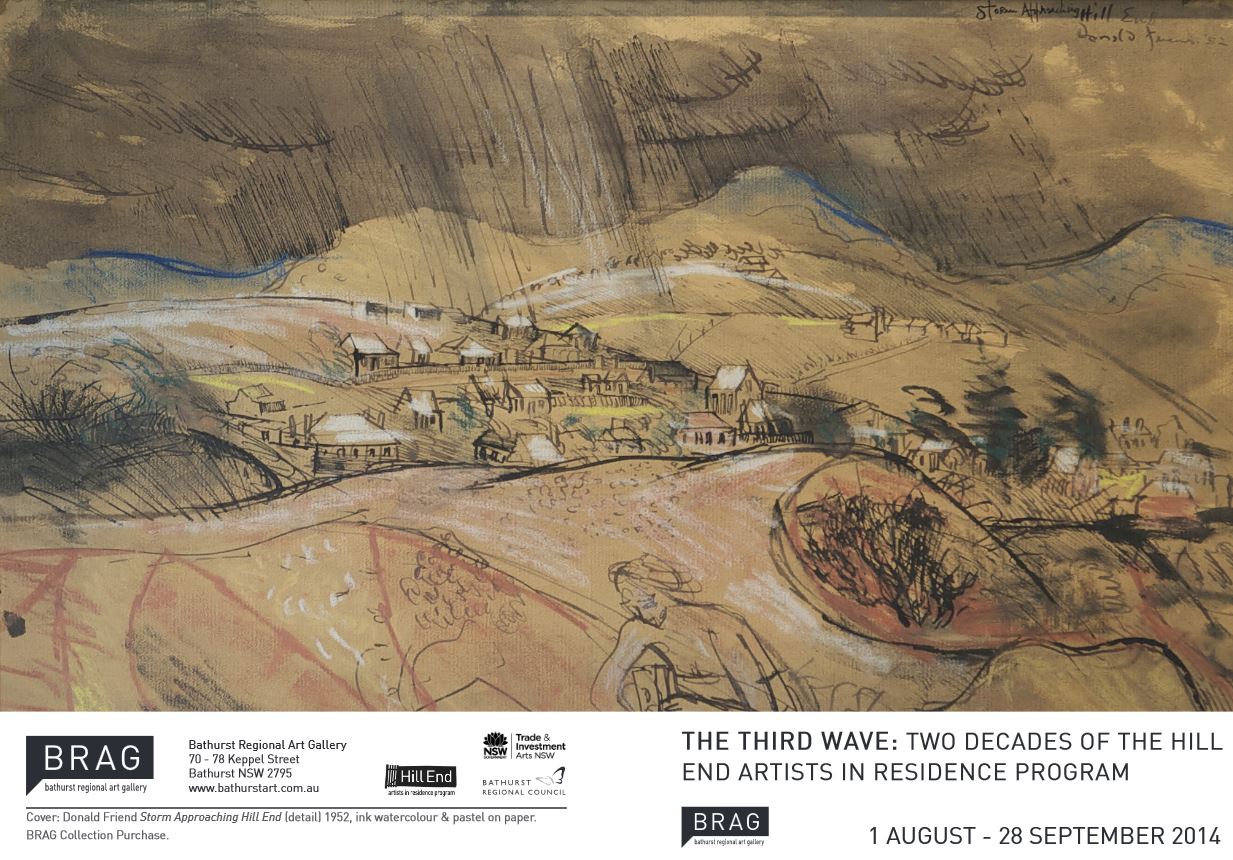
Geoff Weary’s film ‘An Eye for An I’, The Third Wave: Two Decades of the Hill End Artists Exhibition 1 Aug – 28 Sept 2014 Bathurst Regional Art Gallery

Hill_End_BRAG2014‘An Eye for An I’, film on video 3mins
Writer/Director/Producer: Geoffrey Weary
Model: Tatiana Pentes

The Third Wave: Two Decades of the Hill End Artists in Residence Exhibition 1 Aug – 28 Sept 2014 Bathurst Regional Art Gallery

1 AUGUST – 28 SEPTEMBER 2014
http://www.bathurstart.com.au/images/stories/2014/slot_4/3rd_wave_Room_Sheet.pdf

“…landscape architect and film-maker, Gavin Wilson, was researching the artistic heritage of Hill End and the region for his 1995 exhibition The Artists of Hill End: Art, Life and Landscape for the Art Gallery of NSW. Aware of Bellette’s bequest, and withthe support of Bathurst Regional Art Gallery, Evans Shire Council and the National Parks and Wildlife Service, Wilson invited a third wave of artists to respond to Hill End. Contemporary artists including Richard Goodwin, Anton James, Tom Spence, Wendy Sharpe, Peter Wright, Geoff Weary, Peter Kingston, Mandy Barrett, Emma Walker and James Rogers participated in a series of pilot residencies at Haefligers Cottage in 1994 and 1995. Works from these residencies were exhibited alongside historic works in The Artists of Hill End exhibition at the Art Gallery of NSW.

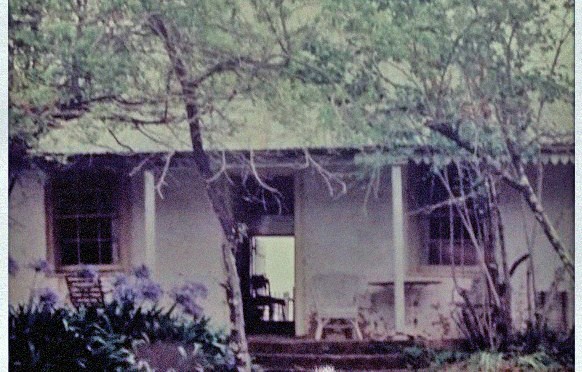
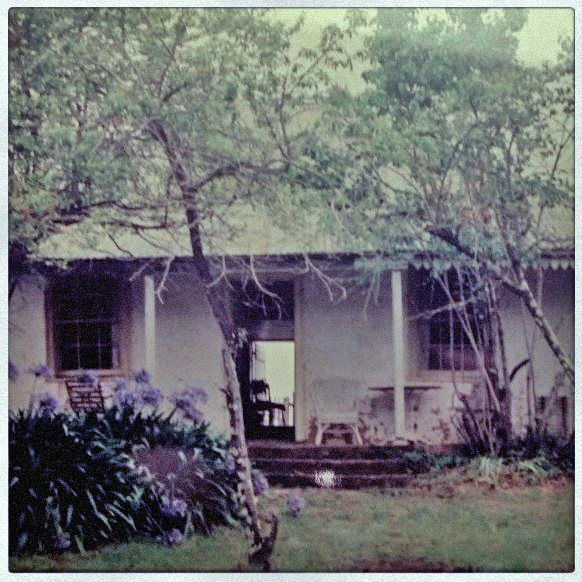
“The historic Haefliger Cottage at Hill End and the spectacular surrounding scenery are prividing an ideal location for artist in residency, Geoffrey Weary, who is finding it a welcome respite from Sydney. Mr Weary, who describes himself as a video artists also working with more ‘traditional’ mediums, is the latest participant….Hill End artist in resident, Geoffrey Weary and Tatiana Pentes who are, living and working with the spirit of Paul Haefliger and Jean Bellette in the famous Haefligger Cottage…The house has all their things still intact, the cottage is pretty much as they left it…” in  Inspiration For Visiting Artist: Hill End Artist Residency: Geoffrey Weary: Bathurst Regional Art Gallery Advocate, 24 January 1995.

HillEndResidency002Photograph: Geoffrey Weary & Tatiana Pentes

The foundations of the Hill End Artists in Residence Program were laid. In 1999, under the auspices of Bathurst City Council and Bathurst Regional Art Gallery, the Program was officially launched. In 2002 Murrays Cottage was refurbished with the assistance of the NSW Ministry for the Arts and added as a new studio residence alongside Haefligers Cottage in 2003.Since 1994, a total of 283 residencies have been awarded to artists from a diverse range of disciplines including painting, drawing, sculpture, photography, ceramics, textiles, new media, writing, animation, film, sound and performance. Over 150 works by 70 of the artists participating in the Program have entered the collection through donation and purchase. The selection presented here represents just a small portion of the work produced in response to the landscape, history and heritage of Hill End.”

http://www.bathurstart.com.au/exhibitions/current/39-exhibitions/current/352-3rd-wave.html

“Celebrating 20 years of the Hill End Artists in Residence Program,works in this exhibition are drawn entirely from BRAG’s permanent collection. Featured artists include Jean Bellette, Ray Crooke, Russell Drysdale, Donald Friend, Ben Quilty, David Strachan, Rosemary Valadon, Greg Weight and Nicole Welch. A Bathurst Regional Art Gallery exhibition.”

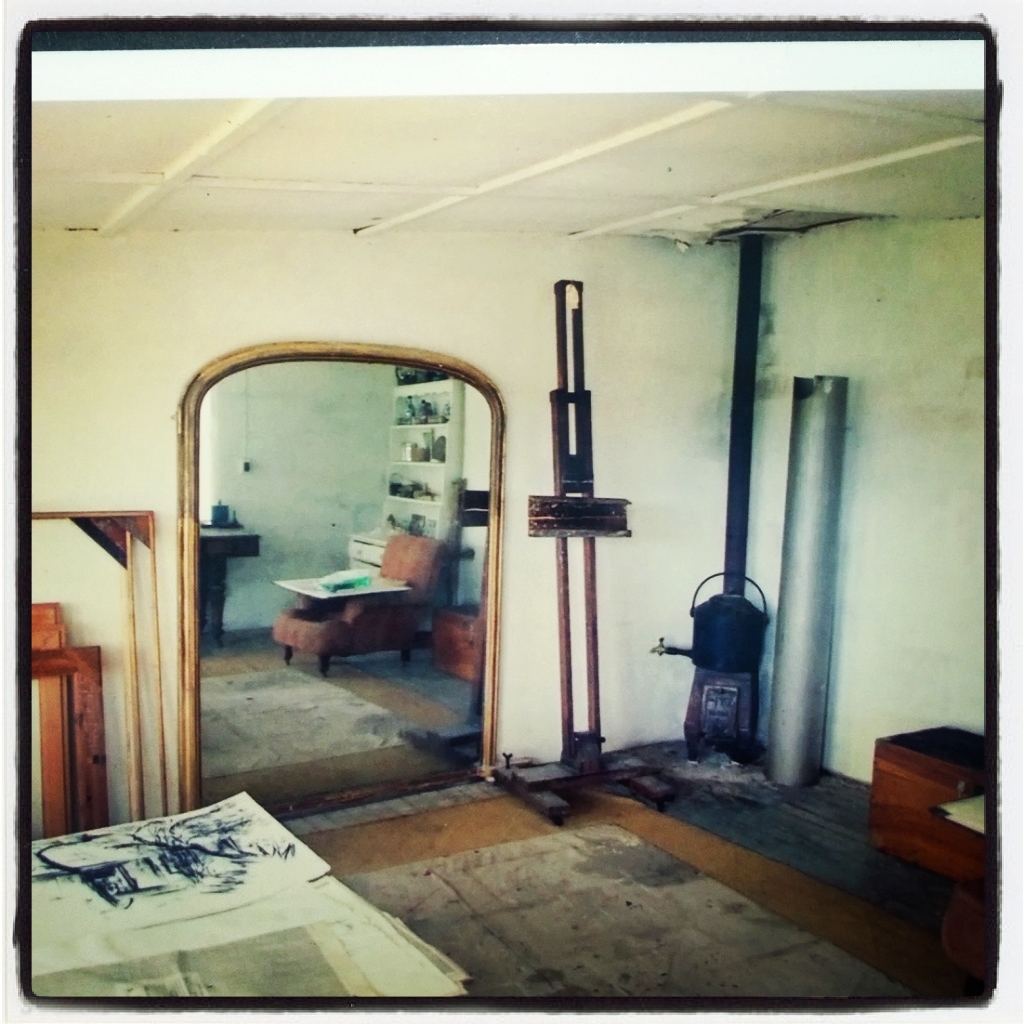
345The studio at the historic Haefliger Cottage

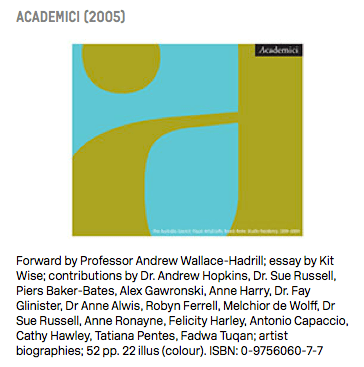
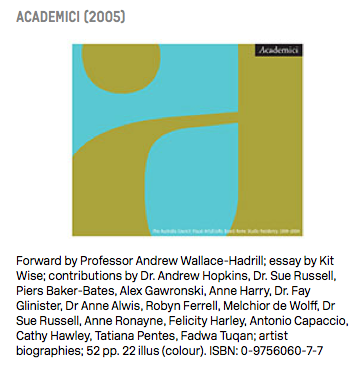
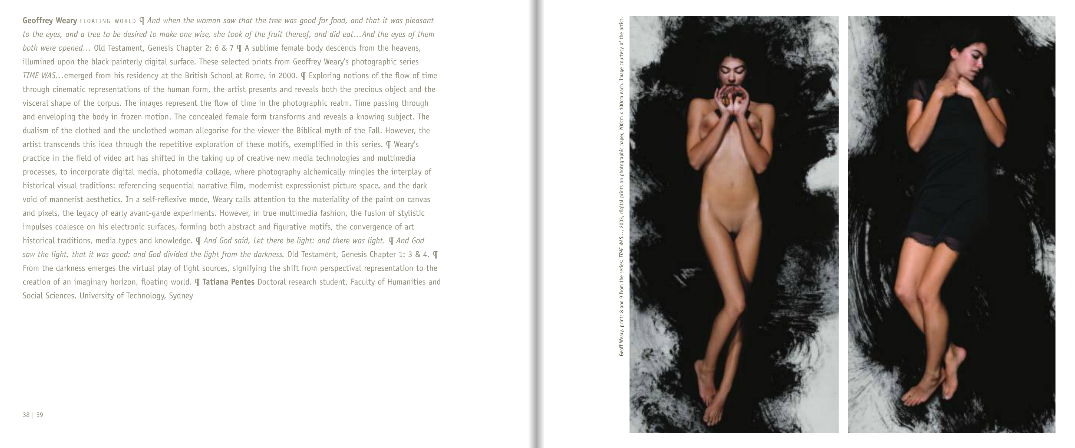
Catalogue Essay, ‘Geoffrey Weary’s Floating World’, ACADEMICI, Roma, 2005

Screenshot 2014-09-07 11.24.02Catalogue Essay, ‘Geoffrey Weary’s Floating World’, ACADEMICI: Academy Gallery, British School at Rome, The Australia Council Visual Arts/Crafts Board Rome Studio Residency 1999-2004, Monash University, Australia Council for the Arts 2005 p38-39 ISBN: 0-9756060-7-7

Text: Tatiana Pentes

MONASH Catalogues: http://www.artdes.monash.edu.au/gallery/catalogues.php#
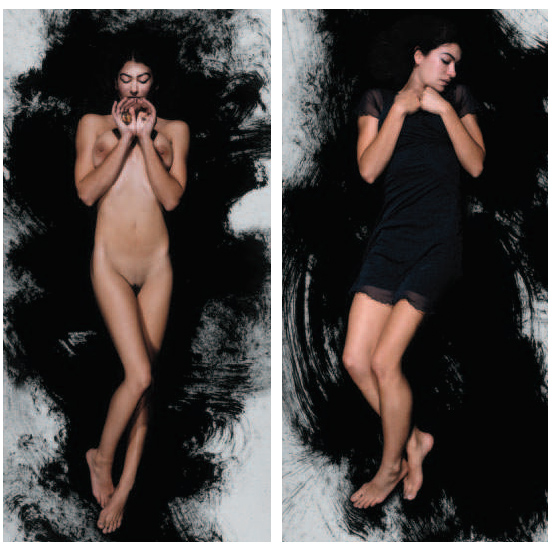
GeoffreyWearyFLOATINGWORLGeoff Weary, prints 8 and 9 from the series: TIME WAS…, 2003, digital prints on photographic paper, 200cm x 100cm each. Image courtesy of the artist

And when the woman saw that the tree was good for food, and that it was pleasant to the eyes, and a tree to be desired to make one wise, she took of the fruit thereof, and did eat…And the eyes of them both were opened… Old Testament, Genesis Chapter 2: 6 & 7

A sublime female body descends from the heavens, illumined upon the black painterly digital surface. These selected prints from Geoffrey Weary’s photographic series

TIME WAS…emerged from his residency at the British School at Rome, in 2000.

Exploring notions of the flow of time through cinematic representations of the human form, the artist presents and reveals both the precious object and the visceral shape of the corpus. The images represent the flow of time in the photographic realm. Time passing through and enveloping the body in frozen motion. The concealed female form transforms and reveals a knowing subject. The dualism of the clothed and the unclothed woman allegorise for the viewer the Biblical myth of the Fall. However, the artist transcends this idea through the repetitive exploration of these motifs, exemplified in this series.

Weary’s practice in the field of video art has shifted in the taking up of creative new media technologies and multimedia processes, to incorporate digital media, photomedia collage, where photography alchemically mingles the interplay of historical visual traditions: referencing sequential narrative film, modernist expressionist picture space, and the dark void of mannerist aesthetics. In a self-reflexive mode, Weary calls attention to the materiality of the paint on canvas

and pixels, the legacy of early avant-garde experiments. However, in true multimedia fashion, the fusion of stylistic impulses coalesce on his electronic surfaces, forming both abstract and figurative motifs, the convergence of art historical traditions, media types and knowledge.

And God said, Let there be light: and there was light.
And God saw the light, that it was good: and God divided the light from the darkness. Old Testament, Genesis Chapter 1: 3 & 4.
From the darkness emerges the virtual play of light sources, signifying the shift from perspectival representation to the creation of an imaginary horizon, floating world.

Tatiana Pentes Doctor of Creative Arts (Digital Media) Communications, University of Technology, Sydney, 2006.

Screenshot 2014-09-07 12.39.06

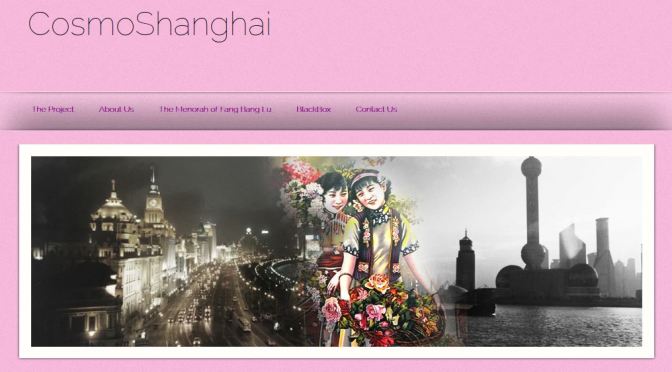
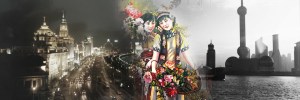
The CosmoShanghai Project

The CosmoShanghai Project
http://www.cosmoshanghai.net/

The CosmoShanghai Project: Image Tatiana Pentes

The CosmoShanghai Project
http://www.cosmoshanghai.net/

CosmoShanghai is a growing online portal that launches digital research projects exploring Shanghai’s re-emergence as the cosmopolitan metropolis from its glorified memorial status in the 1930s – part entrepot, part settlement, part escape- that finds expression in the multiple contradictions of the struggle over the preservation and development of Hongkou and other districts of the cosmopolis.

In one online documentary projects The Menorah of Fang Bang Lu –  Dee Lay Jao Police district, becomes the focus for the local and international and diasporic forces seeking to define what the Jewish heritage of the city means in the current era. Set against an examination of a number of preservation and renewal zones, current Chinese modernity encompasses an historicised cosmopolitanism that accounts for the variegated social histories of the city and its global positioning as part of the New China on the one hand, and as a city state on the other. However to be effective this will require cross-cultural collaboration over the meanings of cities’ pasts and futures.

In another interactive BlackBox: Painting a Digital Picture of Documented Memory the artwork evolves from an imaginary electronic landscape that can be uniquely explored/ played. The artwork/ game is a search for the protagonists hybrid cultural identity. This is mirrored in the exploration of random, fragmentary and non-linear experiences, where the protagonist Nina’s discovery of musical forms reveal her cultural/ spiritual origins. As a musical composer arranges notes, melodies and harmonies, and sections of instruments, so too, the multimedia producer designs a ensemble of audio-visual fragments to be navigated. Dance also becomes a driving metaphor, analogous to the players movement in and through these passages of image/ sound/ text and as a movement between theories and ideas explored in the content of the program. The central concern is to playfully reverse, obscure, distort the look of the dominating/colonialist gaze, in the production of an interactive game and allow the girl to picture herself.

LAUNCHED: HOME iPad artwork by Geoffrey Weary

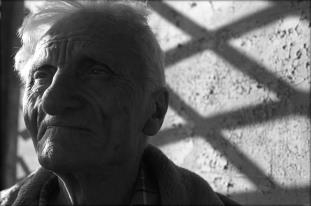
Still from HOME iPad artwork by Geoffrey Weary

HOME iPad interactive artwork Written, Produced & Directed by Geoffrey Weary ©2013, Interface Design & Development: icemedia, Sound Design & Music: Michael Bates with thanks to Mark Gardiner, Online & Social Media: Tatiana Pentes

Download APP from iTunes. Like us on Facebook!

Description
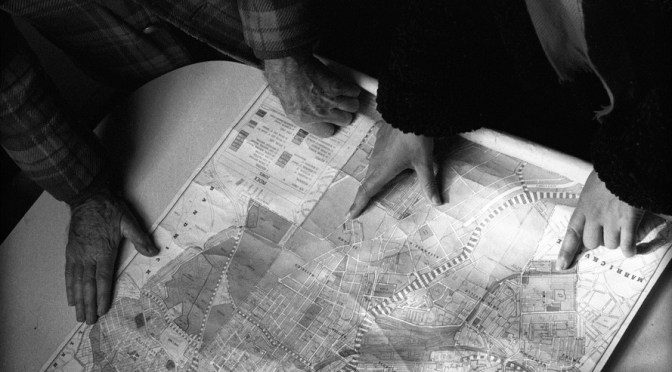
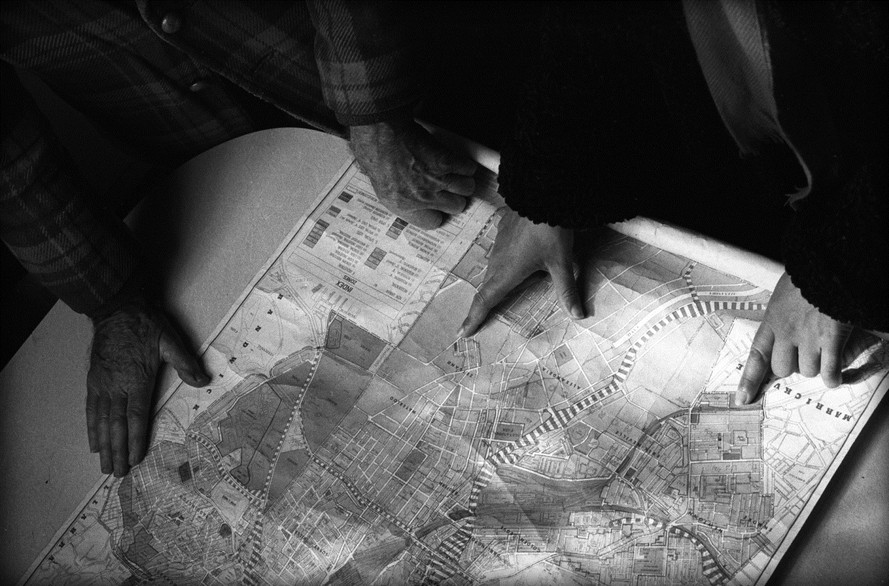
Explore the world of HOME through the eyes of Frank, Jason and FAE. Frank’s memories overwhelm him as the shop he has lived and worked in for the past 50 years crumbles around him. Jason lives with his grandfather, He photographs Frank, and what is left of the shop. Meanwhile he dreams of escape. To where he isn’t sure. Fae often comes to visit her uncle Frank. They share an obsession with the city, street maps and the places that Fae loves to wander through.Frank remembers June, Vera and Fae’s mother Clare.

Explore HOME iPad artwork website.

CAST
Frank:: Jim Palmer
Jason:: Eric Warburton
Fae:: Patricia Werleman
Japanese Performer:: Kazuo

PRODUCTION
Photography, Cinematography & Timeline Montage:: Geoffrey Weary
Interface Design and Development:: icemedia
Sound Design & Music:: Michael Bates with thanks to Mark Gardiner
Online and Social Media:: Tatiana Pentes

Written, Produced and Directed by Geoffrey Weary©2013

Still from HOME iPad artwork by Geoffrey Weary c.2013

INTERACTION
HOME is navigated across the Frank, Jason and Fae timelines with a touch to screen movement from right to left. Backward movement is optional at any time.

A double touch on any frame will bring the timeline selected to full screen. Touch again will return to three timeline screen display.

When navigating HOME we recommend the use of iPad headphones.

HOME was produced as part of a University of Sydney ICT initiative Faculty-specific Research & Education Program (2012). The program helped sponsor this proof of concept. Extensive consulting & procurement services were provided by the team as a part of this initiative.