Description
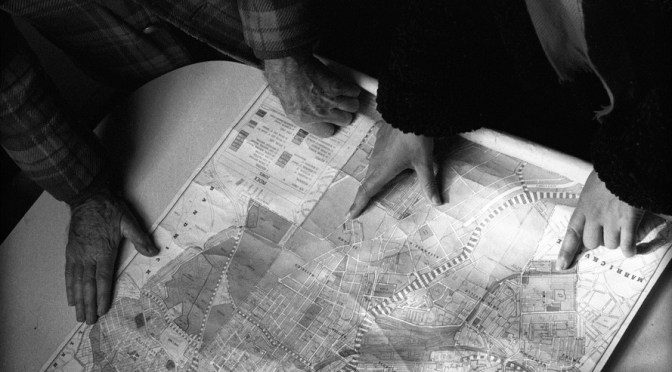
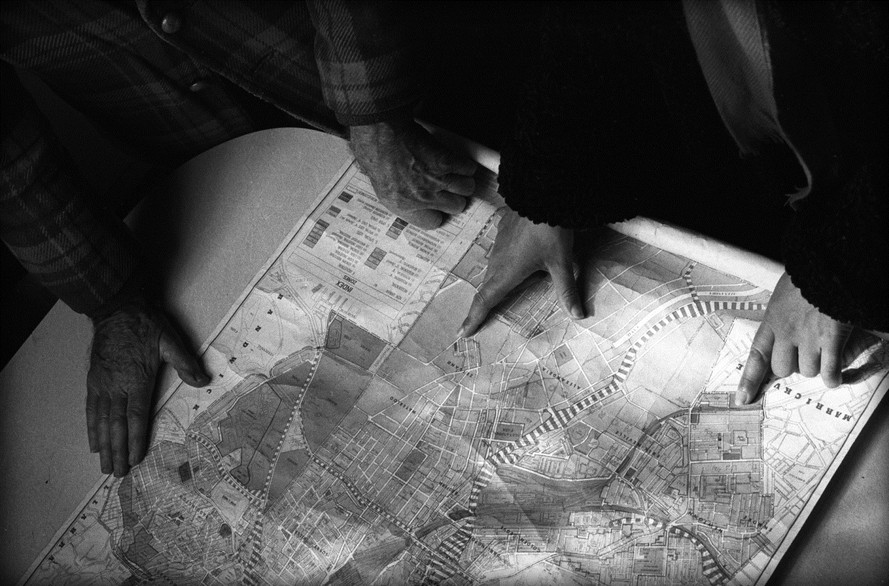
Explore the world of HOME through the eyes of Frank, Jason and FAE. Frank’s memories overwhelm him as the shop he has lived and worked in for the past 50 years crumbles around him. Jason lives with his grandfather, He photographs Frank, and what is left of the shop. Meanwhile he dreams of escape. To where he isn’t sure. Fae often comes to visit her uncle Frank. They share an obsession with the city, street maps and the places that Fae loves to wander through.Frank remembers June, Vera and Fae’s mother Clare.
CAST
Frank:: Jim Palmer
Jason:: Eric Warburton
Fae:: Patricia Werleman
Japanese Performer:: Kazuo
PRODUCTION
Photography, Cinematography & Timeline Montage:: Geoffrey Weary
Interface Design and Development:: icemedia
Sound Design & Music:: Michael Bates with thanks to Mark Gardiner
Online and Social Media:: Tatiana Pentes
Still from HOME iPad artwork by Geoffrey Weary c.2013
INTERACTION
HOME is navigated across the Frank, Jason and Fae timelines with a touch to screen movement from right to left. Backward movement is optional at any time.
A double touch on any frame will bring the timeline selected to full screen. Touch again will return to three timeline screen display.
When navigating HOME we recommend the use of iPad headphones.
HOME was produced as part of a University of Sydney ICT initiative Faculty-specific Research & Education Program (2012). The program helped sponsor this proof of concept. Extensive consulting & procurement services were provided by the team as a part of this initiative.
An interactive digital work/ Musical CD-Rom by Tatiana Pentes (Writer/Director) & Geoffrey Weary (Co-Development/ Cinematography & Photography), Eurydice Aroney (Producer), Roi Huberman (Sound Design), Glenn Remington (Interface Design). Produced in association with Screen Australia (AFC). Online exhibition Australia-Japan New Media Gallery, Australian Embassy, JAPAN http://newmedia.australia.or.jp/artist/info.php?name=tatiana
AWARDS
Strange Cities CD-ROM has been exhibited inter/nationally & winner of Best Arts/Cultural Title/Site, AIMIA Awards, 2000, and Most Innovative/Creative Multimedia Title, ATOM Awards, 2000, Australia. Acquired by the Australian Centre for the Moving Image (ACMI) Multimedia Collection, Australian Film & Television School Library, University of Hawaii, University of Sydney, UTS, the National Library Australia and many inter/national archives.
Strange Cities was selected for Dart 99 dLux Media Arts in partnership with Sydney Film Festival, the 1999 Experimenta Media national travelling Exhibition, The Red Room, & promoted New Talent Pavilion, MILIA Games, Cannes, France in February 1999
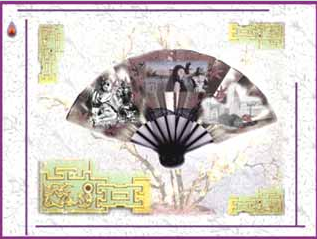
Interface still Strange Cities: A musical CD-Rom (2000)
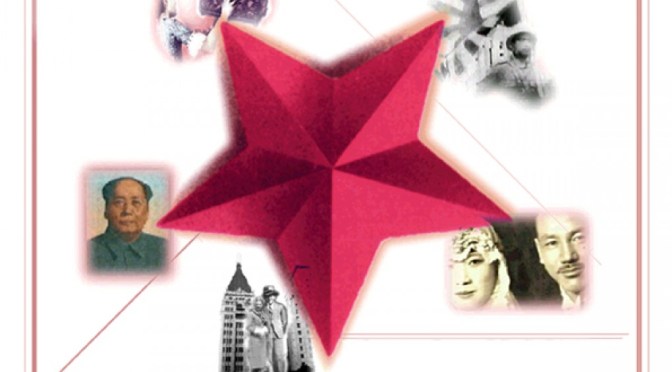
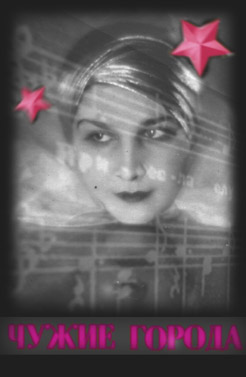
Strange Cities is an experimental interactive multimedia work authored for CD-Rom release and exhibition. Through the disclosure of evidence, Sasha dreams, discovers and remembers the exotic identity of her grandparents Xenia and Sergei Ermolaeff (a composer and orchestra leader) in fragments and traces of their music and struggle to survive the Russian and Chinese Communist Revolutions. The dulcet tones of the legendary voice of ABC Radio – Tony Baldwin as Newsreader deepen the nostalgia of this interactive drama/history.
The inspiration for the work is a tune of the same name – a musical illustration, an imaginary vision of old Shanghai, Chinese metropolis and international settlement which conjures mythic, filmic, musical and personal images of the city port.
Interface still Strange Cities: A musical CD-Rom (2000)
Coined capital of the international underworld, the city of Shanghai became a seductively strange locale symbolized in the Western imagination. In reality however the city was most often the final port of call for political refugees. The visual imagery for the project was shot in St Petersberg, Shanghai, Tokyo, and Sydney and involves found photographs, film footage, simulated radio archives, and original musical compositions.
Interface still Strange Cities: A musical CD-Rom (2000)
Strange Cities experiments with performance, sound, image and text and their dramatic representation in the interactive environment. Providing a challenging approach to traditional modes of story-telling and music in the interface design, the user is provoked to discover the Strange Cities tune in the graphic portrayal of its musical script, sonic perception of its vocal lyric, and orchestration through user interactivity.
In the exploration of Strange Cities the user will experience a questioning of the relationship between fictional, biographical, historical and musical narrative possibilities produced through the slippage between and across a series of interactive screens. Participation with the interface provides for the user an experience which challenges traditional modes of narrative in audiovisual presentation, the perception of musical structure, storytelling and in historical, biographical and fictional texts in the multimedia environment.
Interface still Strange Cities: A musical CD-Rom (2000)
Strange Cities was selected for the 1999 Experimenta Media Art CD-Rom Exhibition and has been promoted at the New Talent Pavilion, MILIA Games, Cannes, France in February 1999.
NEW MEDIA AWARDS FESTIVALS
Best Arts/Cultural Title/ Site, Australian Interactive Multimedia Industry Association (AIMIA) Awards November 2000, AUSTRALIA
Most Innovative/Creative Multimedia Production, Australian Teachers of Media, (ATOM) Awards May 2000, AUSTRALIA
This project has been produced in association with Screen Australia (Australian Film Commission)
ABSENCE PRESENCE : The Body Navigation, Dance/Video/Performance/Music, 14-18 of July, 2007, St. Petersburg, RUSSIA by Lara O’Reilly (website)
Text by Tatiana Pentes
http://www.russia.embassy.gov.au/mscw/LaraReilly.html
Lara O’Reilly, an Australian installation artist, residing at National Centre of Contemporary Art in June, 2007 and her works installed at Body Navigation III International Festival of Contemporary Arts on 14 – 18 July, 2007.
Lara O’Reilly
A film & performance installation in the Chapel of the Naval Hospital, Kronstadt, forming part of III International festival of contemporary arts, The BODY NAVIGATION, DANCE/VIDEO/PERFORMANCE/MUSIC, 14-18 of July, 2007, St. Petersburg, RUSSIA
“Anyone who wants can look at my films as into a mirror, in which he will see himself.” Andrei Tarkovsky, Sculpting in Time, p. 184.
“The installation was intended to be a highly experiential encounter with the space and with oneself. For the viewer to experience their own sense of the space and find themselves in a world between worlds…blurred between interior and exterior realms of built and natural spaces and the interior and exterior states of mind that the performance and the soundscape allude to….” Lara O’Reilly artist
In the contemporary convergent global media environment of digital networked technology, and pastische, empty parody (mimicry), O’Reilly’s ABSENCE PRESENCE returns us to the traditional notion of “multi-media”, suggestive of the shadows reflected on the walls of Plato’s allegorical Cave. The spectacular installation of ABSENCE PRESENCE, is staged on three levels and Chapel of the Naval Hospital, Kronstadt, Kotlin Island, Russia, 48km east of St Petersberg. The naval hospital was built 1717, and is the site of the earliest medical establishment in Russia. The Russian staging follows an Australian site-specific manifestation of the performance on the abandoned industrial Cockatoo Island, Sydney Cove.
O’Reilly creates for us a highly experiential and dramatic encounter, with her spatial, temporal and theatrical exploration of the rupture/suture paradox between marine and terrestrial, past and present, the outside and inside, the remote and the intimate, of seduction and abandonment, experience and the underworld. ABSENCE PRESENCE is infused with the resonance and mystery of what we feel but cannot see. In Lara’s words:
….[I felt] Kronstadt should have a very slowed choreographed movement piece. There was something about the spaces of the Chapel, the ascending movement through the spaces –I imagined that while the viewer ascended through the space, that they passed through these empty spaces as a slowed dance, a rhymic and sensual play between their own existence in the space and the lived memory of the place, a Chapel that functioned as a final farewell for the recently departed…”
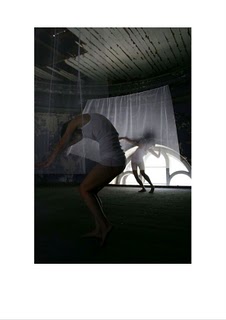
The Kronstadt work integrates realtime and the simulated (cinematic) representations of the performances/movement of the bodies of five young contemporary Russian female dancers, professionally trained in classical western ballet and Japanese Butoh dance. The filmic (technological) cinematic sequences of the woman are juxtaposed with the live performance of female forms (reminiscent of netted mermaids) suspended in cocoons from the rafters, and released to move, dance and wander. The chrysalised women are “veiled and lit in a sensuous light, conjuring emotions of sadness, loss, loneliness and reverie and yet a gentle sense of security of our own stilled existence within the incredible space where we find ourselves..on an island….” The installation successfully plays with our notion of place, identity, communication, sexuality, the personal and the political, specifically with the cinematic and radiophonic allusions. The haunting tones of a live music (a cello sound piece) conjure the ghosts of the past, the dispossessed, and those who have passed from this life to the next, in these spaces, the site of the Kronstadt Revolution in the Finnish Gulf. Ironically, the waters off Kotlin Island are also the location of a modern tragic ship collision and indeed the invention of radio-location after Alexander Popov, the lauded Russian scientist (reported to have invented radio).
The filmic sequences are primarily performed by O’Reilly’s Russian model /dancer/muse Olya, in the locations of Konstantin Fort; the 300 year old Kronstadt Cemetery; and Summer Gardens. These cinematic performances are overlayed with film sequences of the ascending movement through the interior space of the Chapel and military hospital (closed in 2005), conjuring the bodies (victims) of the revolutions that passed through.
ABSENCE PRESENCE installation Kronstadt Island RUSSIA
My first collision with a previous staging of the ABSENCE PRESENCE multi-media installation in a deteriorating industrial complex, located on the isolated Cockatoo Island in Sydney Cove, Australia (the indigenous Australian Aboriginal name for this island is Wa-rea-mah). I was touched by her ability to deeply engage those visiting the location. The piece resonates with the dis-location of Indigenous people during the colonial period, when their island home was transformed into a convict prison for those transported across the seas from Britain. Later this place was a colonial & industrial shipping dock.
Therein lyes the connective thread – through the ghosts of the displaced – between the Cockatoo Island (Australia) and Naval Hospital Kronstadt (Russia) re-enactments. My engagement with both O’Reilly’s work and the sites are complex and intertwined. As daughter of Vladimir, a Admiral in the Tsarist Russian Navy, my grandmother Xenia emigrated from St Petersberg with her mother Eugenia & two sisters during the Revolution, they never saw Vladimir again, but found refuge in Harbin, Manchuria, then Shanghai, China & later Sydney Australia. As a child I grew up with these memories and on the Balmain peninsula, my primary school opposite Cockatoo Island.
The dialectic relationship between these two island spaces (curt by sea), both scarred by waves of industrialisation (modernity), migration, military/colonial abandonment – they share a depth of history and speak to each other, as O’Reilly’s work speaks to me (the child of a Russian émigré).
Thursday, April 26, 2007
ABSENCE PRESENCE installation cockatoo island
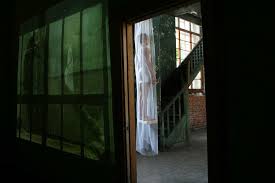
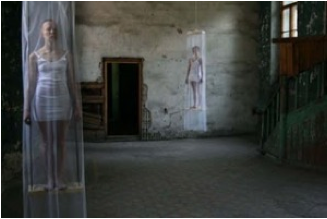
When encountering Lara O’Reilly’s multi-media installation I was touched by the work’s ability to deeply engage those visiting the location – a deteriorating industrial complex located on an isolated island in Sydney Cove. The indigenous Australian Aboriginal name for this place is Wa-rea-mah, and these people were dis-located during the colonial period, when their home was transformed into a convict prison for those transported across the seas from Britain. Later this place was a colonial & industrial shipping dock. The work resonates with ghosts of the displaced. As visitors/participants in O’Reilly’s work we must replicate the journey [across the river styx] from the mainland and step over a psychological threshold to apprehend the installation. Dissonant digital film/video imagery of a woman walking through spaces of ‘nature’ and water are projected on multiple screens within the massive space, juxtaposed with female forms (reminiscent of mermaids) suspended in silken cocoons from the rafters. The haunting tones of a live cello sound piece, conjure the ghosts of the past, the dispossessed, those incarcerated, and mingling with the feathers from a million birds and industrial detritus.
absence presence installation cockatoo island
A site-specific performance and moving image installation infused with the resonance and mystery of what we feel but cannot see. It is a meditation on space and memory and the ways in which the two constantly interact at specific sites. Composing filmic worlds moving between the abandoned architecture of Cockatoo Island and the remote Australian bush and how this collision of built and natural worlds can mediate between the present and the past – between the visible and the invisible. Rooms with suspended female bodies, veiled and lit in a sensuous light, conjuring emotions of sadness, loss, loneliness and reverie and yet a gentle sense of security and of our own stilled existence within the incredible space where we find ourselves.. on an uninhabited abandoned island that is richly embedded with the history of our colonial and distant past.
“The installation was intended to be a highly experiential encounter with the space and with oneself. For the viewer to experience their own sense of the space and find themselves in a world between worlds…blurred between interior and exterior realms of built and natural spaces and the interior and exterior states of mind that the performance and the soundscape allude to…. Above all it was to be enjoyed and to be taken on a journey to a faraway place…” Lara O’Reilly artist
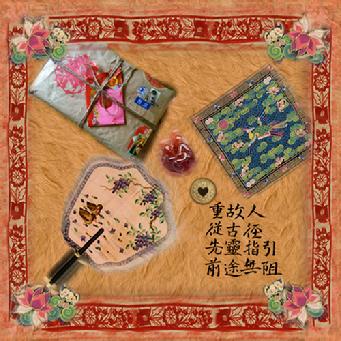
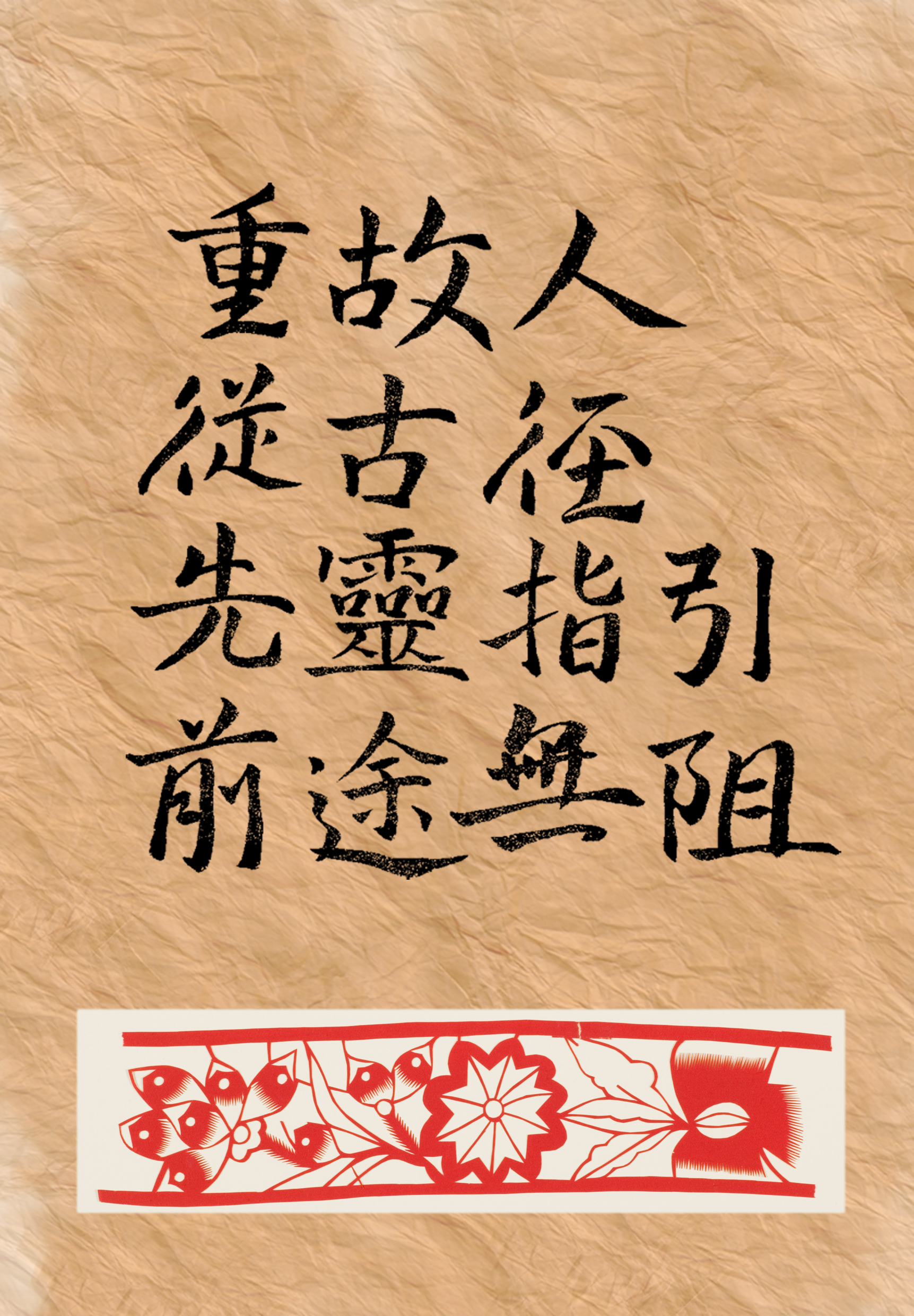
China Heart: graphics interface design concepts: Tatiana Pentes
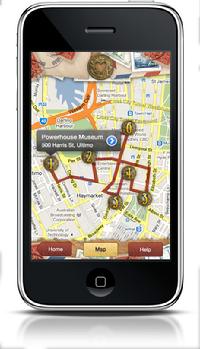
China Heart iPhone App
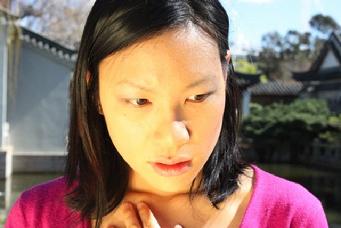
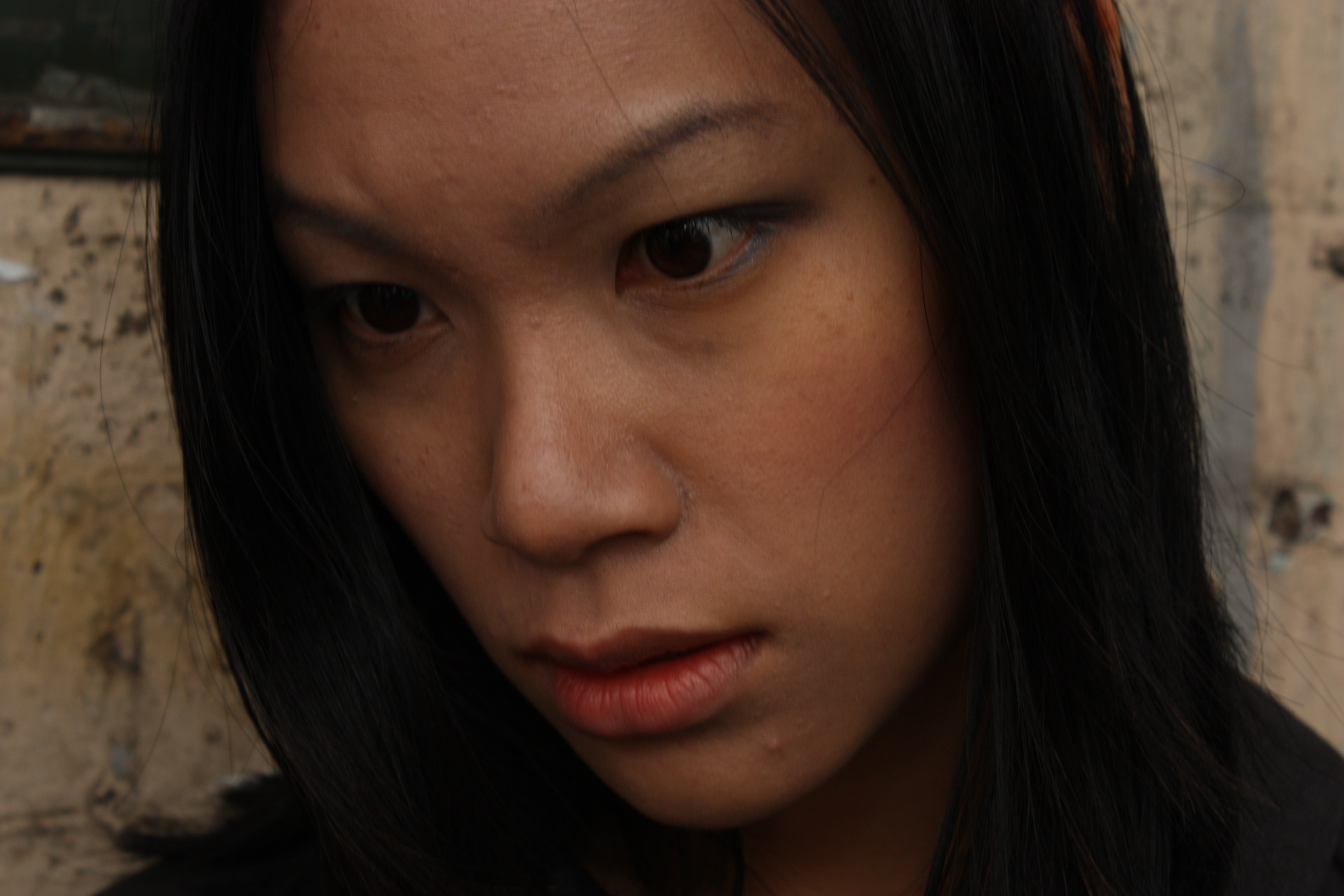
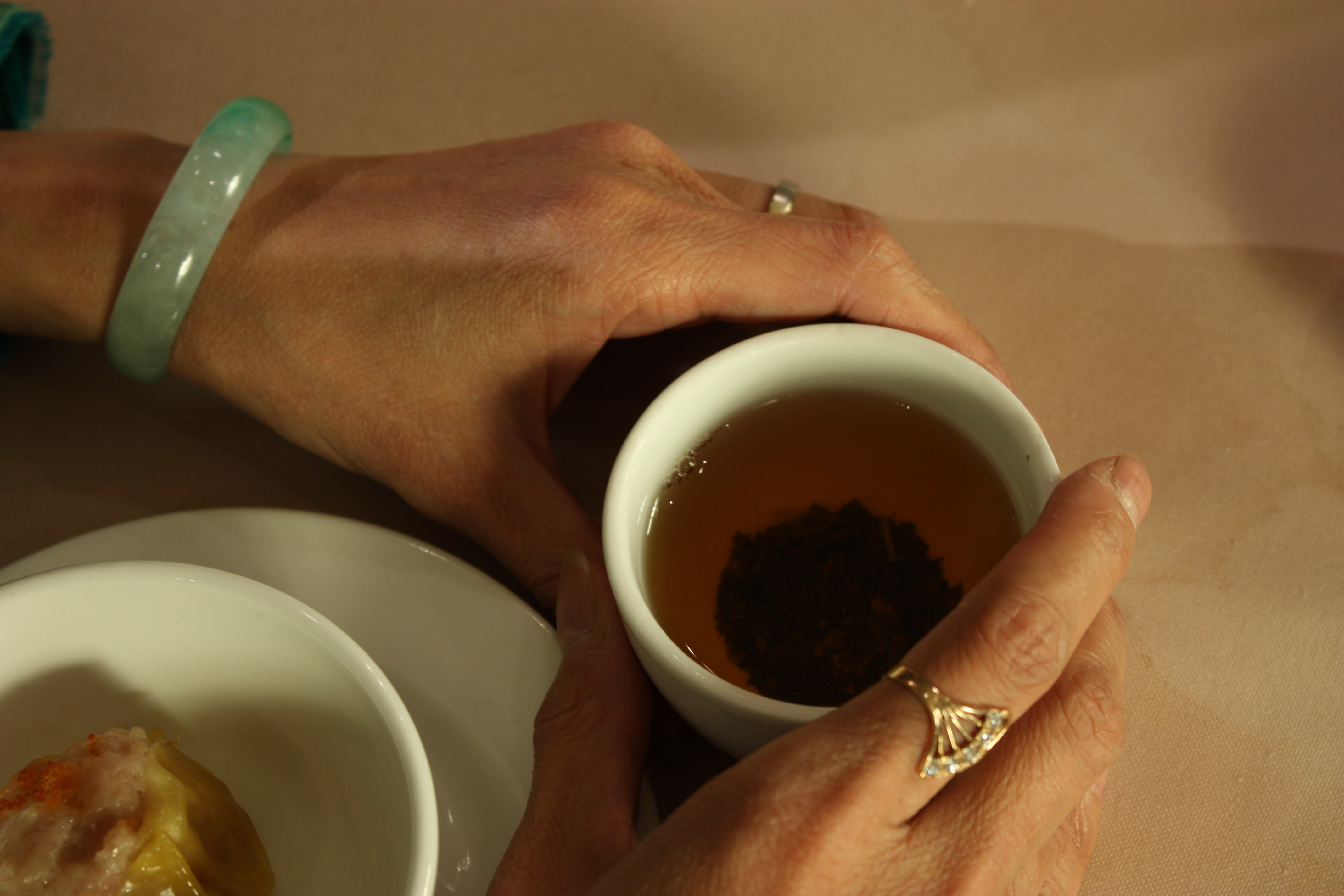
China Heart is a partnership with dLux Media Arts , the Powerhouse Museum, Gallery 4A, The Project Factory written/directed by Annette Shun Wah & sound design Kingston Sound – exploring the effectiveness of engaging new audiences with existing archives using fictional entry point- in the creation of a innovative iPhone application, interactive website & mobile web interface to explore a social & cultural history of Chinatown, Sydney. Tatiana Pentes’ participation includes brand logo design, graphic interface design, look & feel of iPhone app, visual research, and editing & digital effects for the moving image & sound sequences.
A love story, a puzzle and a challenge
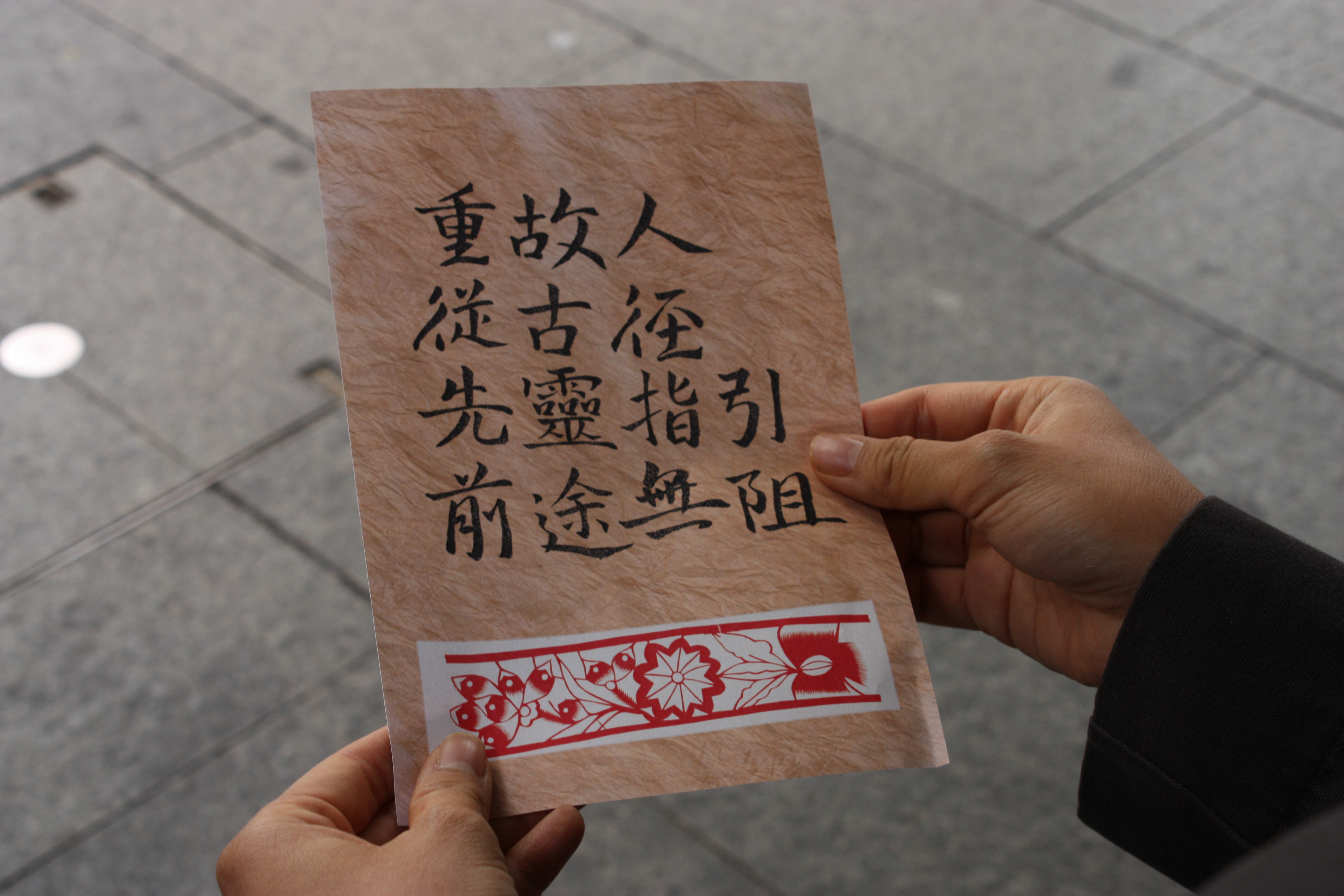
Lian is a young woman whose plans to marry are stalled when she receives a mysterious engagement present with a strange message. Will she ever be able to marry her beloved David?
Players help Lian solve the puzzle of her family’s past and her cultural history guided by dramatic clues, oral histories and historic re-enactments downloaded on their own mobile phones so her wedding can take place as planned









 Strange Black Box