
by Tatiana Pentes
NATALYA
Prelude
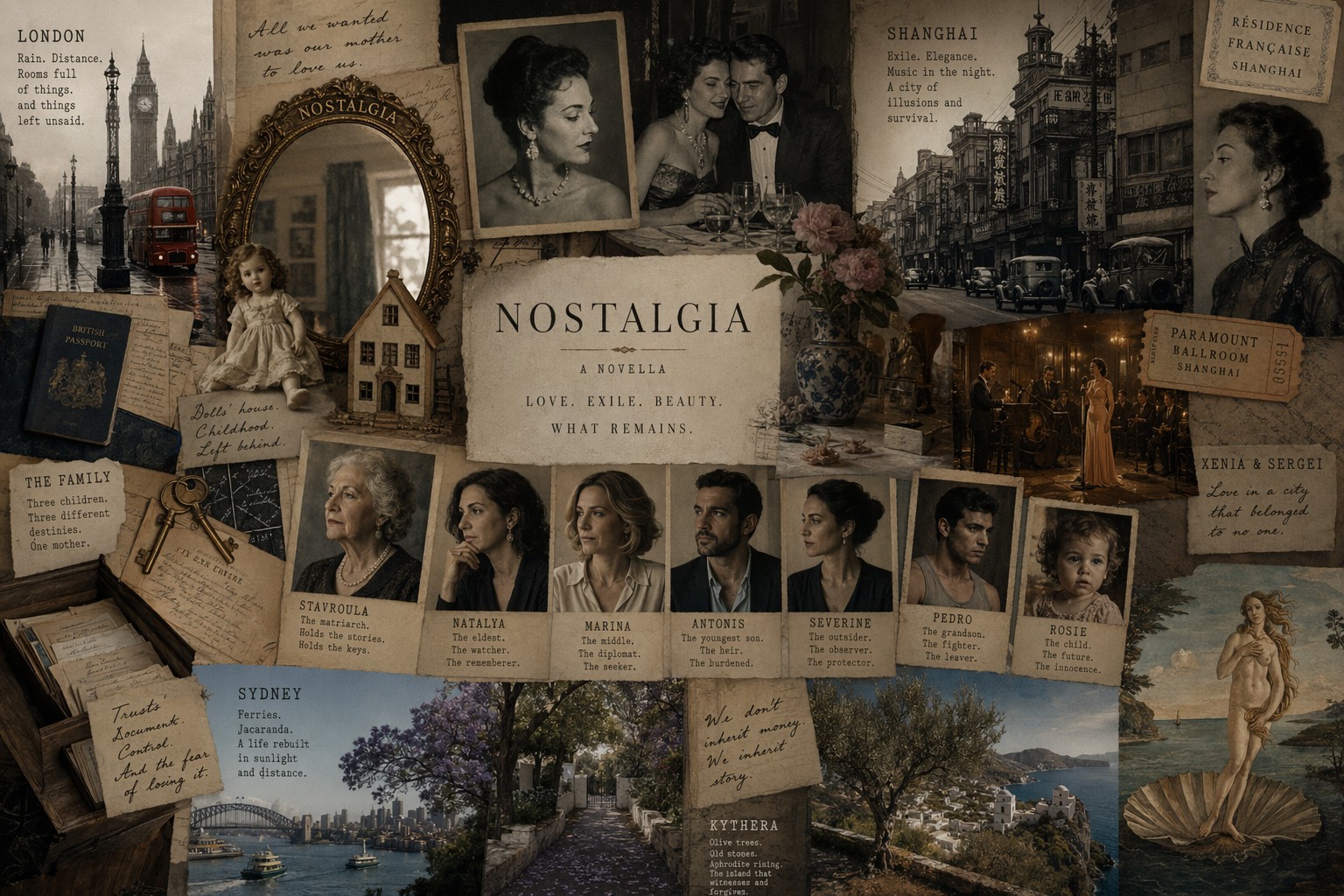
Spanning London, Shanghai, Kythera and Sydney, Nostalgia is a lyrical novella about exile, family mythology, maternal longing and the quiet art of survival. At its centre is Natalya, eldest daughter of the formidable Greek matriarch Stavroula, who grows up amid fractured marriages, shifting loyalties and emotional instability, determined to create the steadiness and love she was denied. Haunted by childhood memories of an art nouveau mirror engraved Nostalgia, a dolls’ house, unanswered telephones and an absent father, Natalya also inherits the elegance of her Russian grandmother Xenia, once a singer in Shanghai’s French Concession. As the family becomes entangled in sibling rivalries, favoritism and symbolic struggles over inheritance, Natalya and her husband Juan build a tender, enduring life in Sydney, raising their son Pedro with unconditional love. In the end, on the ancestral island of Kythera, among olive groves and ancient stone houses, Natalya learns that peace lies not in reconciling with the past, but in keeping a dignified distance from it. Nostalgia is a philosophical meditation on mothers and daughters, belonging and loss, and how beauty can emerge from rupture.
STAVROULA
In late summer, when the London light became metallic and thin, Stavroula sat by the sash window of her flat in Notting Hill and watched the rain polish the parked cars into mirrors. At eighty-five she had acquired the gravity of those who survive by arranging others around them.
The room was crowded with objects that had outlived their owners: ormolu clocks, chipped porcelain shepherdesses, a bronze icon lamp that had never been lit. On the mantel stood framed photographs of three husbands who now resembled actors cast in separate films. Time had rendered them handsome.
She preferred to think of herself not as old, but as consolidated.
In the mornings she telephoned her children in different cities, distributing praise, anxiety, grievance and weather forecasts with equal precision. Her voice crossed continents like an occupying force.
Sometimes, when the line rang unanswered, she experienced a sensation she never named: a cold draft through a house long since demolished.
On the wall opposite her chair hung an oval mirror in an art nouveau frame. Across the top, in fading script, was a single word:
Nostalgia.
She had purchased it in Paris after the second divorce, believing it elegant. Now she avoided looking directly into it.
MARINA
Marina, the second daughter, lived in London’s outer west behind hedges of disciplined yew. Her husband, Andrej, designed buildings no one would remember. Their house contained a serenity so complete that visitors mistook it for happiness.
She had perfected the middle child’s great art: inhabiting space without disturbing it.
Questions about her father drifted around the family like cigarette smoke in old photographs. No one could say when the questions began, only that they were always already there. Marina learned early that ambiguity can become a form of furniture. One adjusts oneself around it.
Stavroula referred to her, with a tenderness edged like glass, as my Greek daughter. Natalya was my Russian daughter. Such designations seemed to place them in separate nations rather than adjacent wombs.
Marina cultivated roses, practised yoga, and preferred facts only when they arrived already interpreted.
At night she sometimes stood before the bathroom mirror searching her own face for a passport stamp.
ANTONIS
Antonis, the youngest, occupied London as though it were a waiting room designed for him.
He moved between cafés, office spaces and family obligations with the self-assurance of those who mistake proximity for achievement. His beard was trimmed to the exact length of current certainty.
He lived with Severine and their daughter Rosie in a riverside apartment whose windows reflected other windows. The city outside resembled an endless board meeting interrupted by weather.
Stavroula telephoned him most frequently.
He accepted these calls as monarchs accept tribute.
Antonis had learned that power is often nothing more than being the person who remains nearest the source of narrative. He knew where keys were kept, where papers were filed, who had offended whom in 1987, and which sibling would not attend Christmas if seated beside another.
He carried this information the way minor clergy carry relics.
Yet in unguarded moments, crossing Waterloo Bridge in rain, he experienced a brief terror that he was composed entirely of reflected light.
SEVERINE
Severine came from Marseille, where buildings leaned toward the sea as if listening. In London she had learned to wear coats and strategic smiles.
She observed the family with anthropological interest.
To her, Stavroula was less a mother than a weather system. Natalya seemed a republic in exile. Marina a protected state. Antonis, naturally, believed himself an empire.
Severine loved Rosie with the intensity of first-time motherhood and mistrusted every inheritance except language.
When Stavroula praised the child’s beauty, Severine kissed her daughter’s forehead later in private and whispered, “You will be loved for stranger things.”
She understood that families often mistake adoration for nourishment.
PEDRO
Pedro, son of Natalya and Juan, had shoulders built by discipline and a face that still retained traces of childhood candour.
He worked among Sydney towers where apartments were bought, sold, renamed and demolished in cycles faster than seasons. He knew that most homes are merely pauses in capital. Yet he still removed his shoes at the front door.
In the evenings he trained in Muay Thai beneath fluorescent lights. He valued contests in which rules were declared openly.
Years earlier he had accompanied Stavroula through courtrooms after the death of her third husband. He sat beside her as barristers converted grief into grammar. She held his hand in corridors that smelt of toner and fatigue.
Later, when family dramas thickened again around keys, accusations and invented emergencies, Pedro stepped back entirely.
He discovered that absence, when chosen, feels unlike abandonment.
JUAN
Juan was born in Valencia and believed most conflict could be improved by olives, sea air, or not answering the telephone.
He watched his wife’s family with a tenderness reserved for the mentally over-invested.
“Your people,” he said once, standing in the kitchen while lorikeets vandalised the fig tree outside, “treat memory like contraband.”
Natalya laughed harder than the remark deserved.
Juan understood that one cannot rescue a spouse from childhood, but one can make tea when it returns.
KYTHERA
The island lay south of the Peloponnese like a thought one has while waking.
Stavroula had not lived there for decades, yet spoke of it as if she had just stepped inland to fetch water. In family arguments it appeared constantly: as evidence, as refuge, as accusation, as perfume.
Natalya visited once in late middle age.
The roads were narrow and white with dust. Churches perched on ridges above the sea. Goats negotiated stone terraces with better manners than most relatives. In the village square old men played backgammon with the solemnity of treaty negotiators.
She felt neither homecoming nor estrangement.
Instead she sensed that places survive our symbolic use of them.
At dusk she sat above a cove where Aphrodite was said to have risen from foam and thought: myths are simply families with better publicists.
SYDNEY
The city had no patience for dynasties.
It rewarded punctuality, resilience, invoices paid on time, sunscreen, and the willingness to drive forty minutes for lunch. Its birds screamed in public parks like malfunctioning alarms.
Natalya flourished there.
With Juan she built a life measured not in dramatic scenes but in repetitions: groceries, birthdays, repairs, small reconciliations, ordinary breakfasts.
Their house filled gradually with objects chosen without symbolic burden.
Pedro visited with friends, then with lovers, then with no explanation at all. This too was love.
Sometimes Natalya felt guilt for happiness, as if joy were a betrayal of the old script.
Then the jacaranda would bloom and absolve her.
LONDON
In winter London compressed everyone into themselves.
Stavroula’s flat grew dim by four o’clock. She telephoned less often. The city’s buses moved through drizzle like blood cells under a microscope.
Marina sent flowers. Antonis sent instructions. Natalya sent silence and once, unexpectedly, a postcard of the Sydney harbour at dawn.
On the reverse she had written:
The water is calm today.
Stavroula read the line several times, uncertain whether it was a message, a taunt, or weather.
She placed the card beneath the mirror.
ROSIE
Rosie grew.
Children possess the revolutionary talent of becoming themselves despite everyone’s plans.
She learned French vowels from her mother, strategic affection from her grandmother, and from London the habit of walking quickly. She found family stories tedious and pigeons fascinating.
At six she discovered an old dolls’ house in Stavroula’s spare room. Its tiny rooms were furnished in another era. She moved the figures around decisively.
In her version, they all lived separately but visited on Sundays.
No one argued.
NOSTALGIA
When Xenia her Russian grandmother died, the mirror was among the last objects to be cleared.
No one wanted it until Natalya asked for it without explanation.
It travelled by ship to Sydney wrapped in blankets and customs declarations.
She hung it in the hallway opposite the front door.
Each morning she passed beneath the brass vines on her way to coffee with Juan, to lunch with Pedro, to evenings that asked little and gave enough.
In the mirror she no longer saw her Russian grandmother’s house, nor St Petersberg, Kythera, nor London rain.
She saw a woman who had crossed several climates and reached weather of her own.
Outside, jacaranda petals drifted across the path like minor blessings.
The past remained where it belonged: reflected, not inhabited.
KYTHERA: APHRODITE
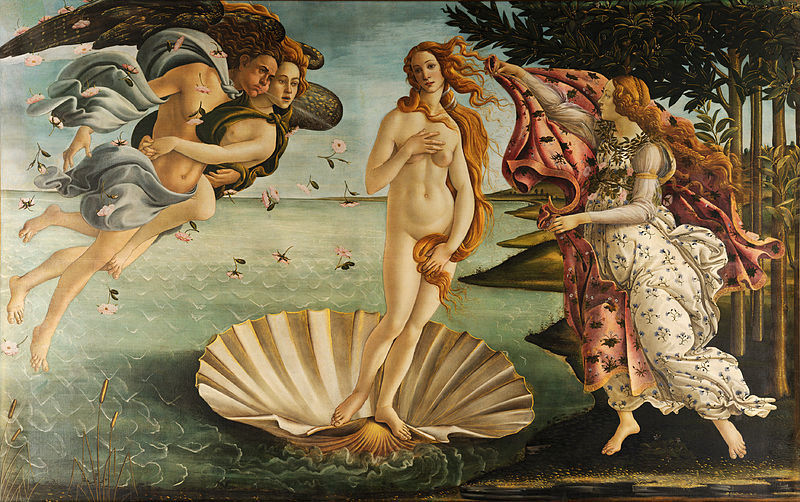
The Birth of Venus (Roman name for Aphrodite). Painted 1484-1486 by Sandro Botticelli (1445-1510). The scallop-shaped shell she is standing in represents a vulva.
The island of Kythera waited beyond all family chronology.
Long before surnames were altered, before daughters were divided into nations, before husbands vanished into bands and clinics, before telephones rang unanswered in suburban bedrooms, Kythera had already lifted itself from the sea and learned the patience of stone.
Its roads wound between terraces of olive trees whose roots gripped the earth like old hands refusing panic. Their trunks were twisted into muscular spirals, as if each tree had spent centuries wrestling with invisible gods and come at last to a private truce. Silver leaves turned in the wind, revealing one colour, then another. It was the oldest lesson on the island: surfaces change with light; substance remains.
The stucco houses, white once and now the colour of bread crust, leaned gently into the weather. Blue shutters hung crooked on rusted hinges. Courtyards held cracked cisterns, geraniums, abandoned chairs. Swallows nested beneath eaves blackened by summers no calendar could count. Walls repaired a hundred times showed their repairs proudly. Nothing on Kythera pretended to be original.
From the cliffs one could see where foam gathered in the coves, and it was here the ancients claimed Aphrodite first touched land after rising from the sea. Not the sentimental Aphrodite of greeting cards and perfumes, but an older deity: born from violence, yet arriving as beauty; emerging from rupture, yet carrying desire enough to animate the world.
The island had always understood this paradox.
Love does not descend from perfect households.
Beauty is not the child of order.
Tenderness often rises from wreckage.
Natalya walked among the olives in late afternoon, when the trunks threw shadows like script across the ground. She thought of Stavroula, who had left the island but never escaped using it as a stage set for memory. She thought of Marina, whose face searched mirrors for passports no longer required. She thought of Antonis, inheritor of rooms that would empty. She thought of Pedro, who had learned that strength was not domination but restraint. She thought of Juan, who knew tea could outlast argument.
She understood then that families mistake themselves for origins.
Origins are elsewhere.
They are in the wind moving through leaves older than grievance.
In walls that crack and are repaired.
In women who cross seas carrying recipes, icons, anger, and songs.
In children who are left, then gathered in by other arms.
In the stubborn decision to love without theatrics.
Aphrodite, if she still existed, was no longer in the foam. She was in continuance: in the branch that fruits after drought, in the house replastered after rain, in the marriage that survives boredom, in the son who visits because he wants to, not because duty compels him.
At dusk the bells of a hill church travelled over the terraces. Goats moved homeward through dust. Far below, the sea burnished itself into metal.
Natalya placed her palm against the bark of an olive tree and felt its cool, fissured skin.
No tree asked who had owned the field before.
No stone inquired after legitimacy.
No house loved one child more than another.
The island offered no verdicts, only scale.
She looked toward the horizon where ships once carried Venetians, Ottomans, exiles, merchants, brides, soldiers, and those who simply wished to begin again. All departures were visible from Kythera; none were final.
When night came, the stucco houses glowed softly under scattered lamps, as if lit from within by memory purified of accusation.
The olives stood in rows like witnesses who had finally chosen silence.
And the island, older than every quarrel, kept teaching the same unfinished wisdom:
What is twisted may still bear fruit.
What is broken may still hold light.
What leaves the shore may yet become love.
XENIA
SHANGHAI: Angel of Victory
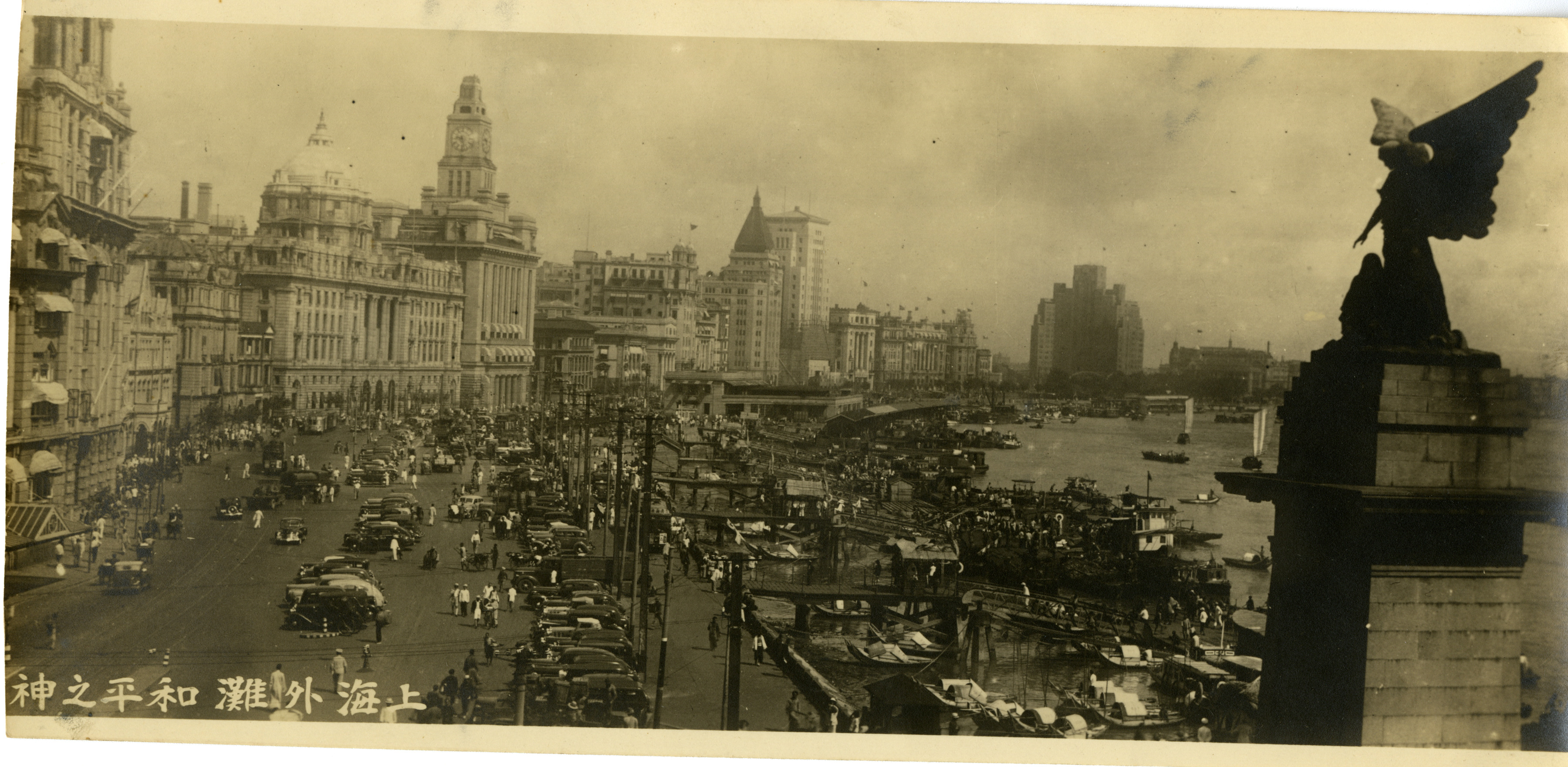
Photograph. Chinese civilians and cars on Zhongshan Road at The Bund waterfront. Chinese caption on front. Shanghai, China. 1930
Before Sydney jacarandas, before London drizzle, before Kythera’s olives resumed their slow arguments with the wind, there had been Shanghai.
Not the city of present towers and illuminated logos, but the older Shanghai of avenues named in foreign tongues, tram bells in wet air, Russian bakeries beside Chinese pharmacies, jazz leaking from basement ballrooms, and refugees dressing for dinner as if civilisation might be saved by silk.
It was in the French Concession that Xenia became most fully herself.
The plane trees along Avenue Joffre shed mottled bark like elegant reptiles. Their branches arched above the boulevards in green vaults, tempering the summer heat and the scandals of expatriates. The streets carried many names and loyalties at once. Chinese rickshaw pullers moved past émigré countesses, White Russian taxi dancers, Jewish tailors, French priests, nightclub drummers, and young men who had invented biographies to survive.
Xenia needed no invention. She possessed the rarest credential in exile: poise.
She had come east through Harbin’s frozen corridors of railway smoke, carrying one suitcase, several languages, and the discipline of women raised in worlds that no longer existed. By the time she reached Shanghai she understood that identity was less a passport than posture.
Sergei found her in a hotel ballroom where mirrors multiplied the orchestra into an empire.
He was young, stateless, Russian by inheritance and Chinese by documentation, with the polished shoes and melancholy timing of a man born between maps. He played violin in the small hours and spoke of cities as if they were temporary weather. His laughter always arrived a fraction late, as though crossing a border.
Xenia sang that evening in a silver dress stitched with borrowed sequins. The song was sentimental, but she delivered it with the authority of someone who had outlived sentimentality.
Sergei watched from the bandstand and understood at once that she belonged to no nation then extant.
They married in a city where marriages were often no more stable than exchange rates.
Yet some unions begin precisely because two people recognise in one another the same fracture. They are drawn not by completeness but by compatible ruins.
Together they rented rooms in the French Concession with tall shutters and unreliable plumbing. Through the window they could hear hawkers at dawn, gramophones at noon, gunfire on certain evenings, and after midnight the slow applause of rain on tiled roofs.
Xenia arranged each room with strategic beauty.
A scarf became a curtain.
A lacquer tray became a table.
An orange crate became a bedside cabinet draped in linen.
She knew what many do not: elegance is portable.
Sergei played in clubs whose names changed with ownership and revolution. Paramount, Cercle Sportif Français, Cathay roof gardens, dance halls that promised Paris and delivered smoke. In Shanghai everyone was performing another city.
The French Concession specialised in surfaces. Café awnings, polished marble foyers, perfume counters, tennis whites, colonial bureaucracy, discreet adultery. Yet beneath these surfaces moved the real city: debt, hunger, desire, opium, escape routes, counterfeit visas, whispered politics, love affairs conducted in taxis.
Xenia navigated it all with measured heels.
She was not naive. She knew that men admired beauty most intensely when it had already survived hardship. She knew compliments were a currency subject to inflation. She knew exile sharpened appetite and made fools of the lonely.
But she also knew how to laugh.
When Sergei returned home late, carrying the odour of brass instruments and foreign cigarettes, she would hand him tea and ask which empire had collapsed tonight.
Years passed in that provisional splendour.
War approached in increments: shortages, rumours, uniforms, certain streets avoided after dusk. Yet the city continued to powder its face. Shanghai had the genius of decadent organisms, it glittered brightest near danger.
In those years Xenia learned the final lesson of cosmopolitan places: nothing stable endures, but style leaves residue.
Much later, in suburban Australia, bathing a small granddaughter before Easter service, she would dust talcum onto the child’s shoulders with the same ceremonial precision she once used applying powder before a cabaret mirror in the French Concession.
The child would not know she was being touched by Shanghai.
Nor would she know that the grandmother humming in accented English had once crossed Avenue Joffre beneath plane trees while armoured cars idled at intersections; that she had danced through a century’s collapse wearing gloves repaired three times; that she had loved a stateless violinist whose citizenship existed mostly in her gaze.
Families mistake themselves for origins.
But origins are often elsewhere, in ports, in departures, in rented rooms where two exiles share oranges over newspapers they cannot trust.
When the granddaughter, decades later, remembered talcum powder, polished hair, coloured eggs after midnight liturgy, and a mirror engraved Nostalgia, she was also remembering Shanghai by another route.
For cities do not disappear. They migrate through gestures.
The French Concession survives now not only in restored façades and café districts, but in the way Xenia folded linen, set a table, tilted her chin, forgave men partially, and refused to become coarse.
Even in old age, when memory thinned and names detached themselves from faces, she retained one instinct perfectly: how to enter a room as if it still contained music.
Some nights in Sydney rain, if one listened carefully to traffic beyond the harbour, it sounded faintly like ballroom applause under plane trees. And somewhere beyond chronology, on a boulevard no map can recover, Xenia and Sergei were walking home through the French Concession, carrying bread, laughing at history, and not yet gone.
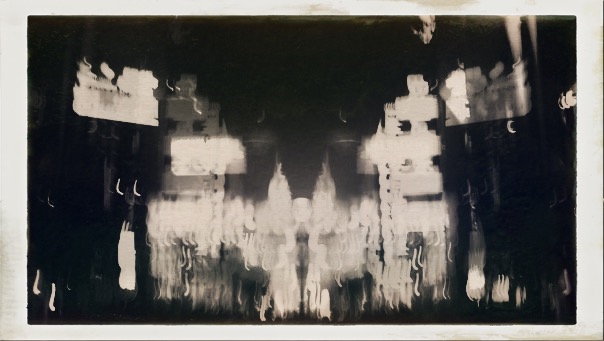
KYTHERA: THE CURE
The island had always existed twice.
There was the factual Kythera: wind-scoured roads, olive terraces, stucco houses patched with lime and salt, goats threading the ravines, ferries delayed by weather, shutters beating in mistral afternoons. A practical island of wells, chapels, stone steps, figs, drought, migration, and those who remained because someone had to. Travellers described villages of whitewashed houses, old castles above Chora, and beaches where the sea appeared too composed to be trusted.
Then there was the imagined Kythera.
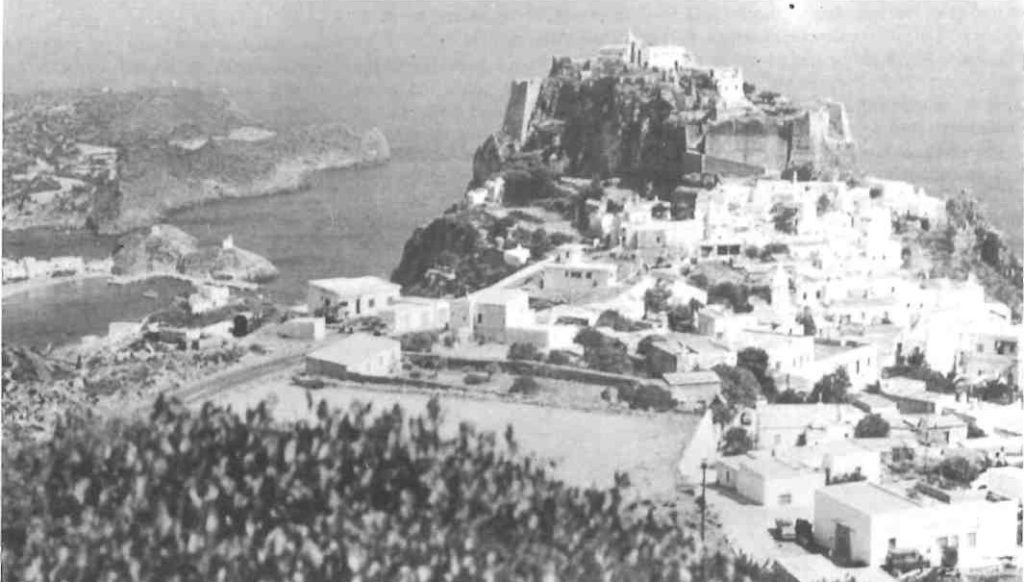
Image: The Venetian fortress overlooking Hora contains the former governor’s residence where the most important archives of the Ionian Islands after Corfu are kept.
This second island had been manufactured by poets, painters, composers, and the professionally dissatisfied. It was less a geography than an emotional export. Here Aphrodite rose immaculate from foam. Here lovers arrived already forgiven. Here no account books existed, no children were abandoned, no doors locked from within, no one compared daughters by beauty or intellect. It was the island to which Europe sent its exhausted fantasies.
The two Kytheras lay atop one another like transparencies that never fully aligned.
Natalya arrived in late spring. The taxi climbed through villages where stucco walls had been repaired so many times that repair itself had become the architecture. Balconies leaned outward with the fatigue of old actors. Bougainvillea erupted from courtyards with the indiscretion of remembered affairs.
The olive trees stood in rows older than grievance.
Their trunks were split, braided, torqued by centuries of weather into muscular abstractions. Some resembled the torsos of Hellenistic wrestlers; others the folded drapery of marble korai abandoned in provincial museums. Silver leaves turned in the wind, exposing light and shadow in alternating bands, like the pages of a book refusing to settle.
The ancients had understood that beauty required a setting of hardship. Aphrodite did not emerge from upholstered comfort but from sea-foam and violence. Hesiod’s myth had the elegance of all durable truths: love is born from rupture and arrives shining. Kythera had preserved that equation long after theologians and estate planners forgot it.
In Chora, beneath the Venetian castle, she walked lanes too narrow for modern certainty. Cats slept on warm thresholds. A blue door carried six layers of paint, each decade visible at the chipped edges. The island had been Venetian, Ottoman-adjacent, British-administered, Greek, and continuously itself. Power changed flags; stone kept the minutes.
She entered a small room used as a gallery where reproductions of Watteau’s Embarkation for Cythera hung beside postcards. Couples in silk moved toward a golden boat, cupids above them like airborne clerks of desire. Scholars still debated whether they were arriving at the island or leaving it. The ambiguity seemed the painting’s true subject. Love, Natalya thought, is always depicted as destination by those already departing.
Outside, the square was empty except for an old man sweeping dust from one side to another.
This, too, was art.
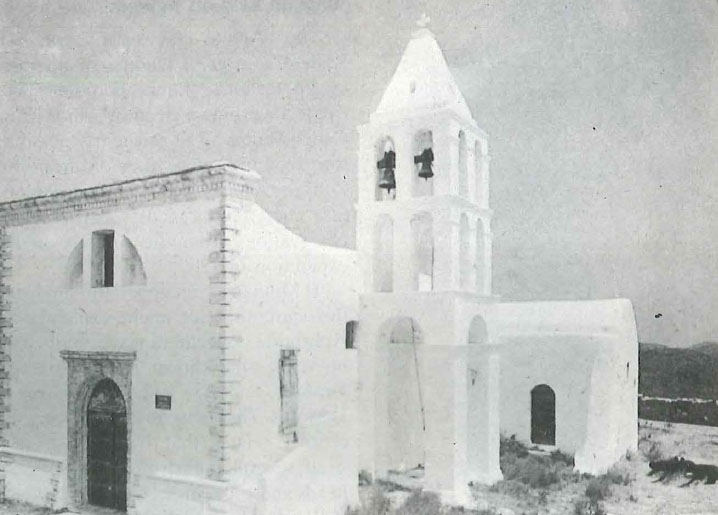
Image: Panaghia Myrtidiotissa within the Venetian castle at Chora is a former Latin church which became Orthodox in 1806 on the island of Kythera.
Baudelaire had imagined Cythera as a place where ideal beauty concealed decay. Painters had turned it into a stage set of flirtation. Filmmakers used it for return and delay. Yet the island itself continued producing olives, marriages, funerals, cracked cisterns, and grandchildren bored by mythology. It was indifferent to symbolic overuse.
At dusk she walked to a ridge above the sea.
The light withdrew slowly from the stucco houses below, leaving them pale and provisional. Swallows cut the air in sharp black arcs. Somewhere a church bell struck with the metallic understatement of islands.
She thought of Stavroula invoking Kythera whenever she wished to sanctify memory. She thought of Marina searching mirrors for paternity in cheekbones and brow lines. She thought of Antonis guarding papers as though paper could survive mortality. She thought of Pedro, who had learned the superior inheritance of self-command. She thought of Juan, who knew that tea, routine, and remaining in the room were greater achievements than conquest.
All of them had embarked for Cythera in their own way.
Some sought approval.
Some sought origins.
Some sought rank.
Some sought escape.
Some sought the parent who never arrived.
Some sought a version of themselves not yet damaged.
The island offered none of these directly.
Instead it offered scale.
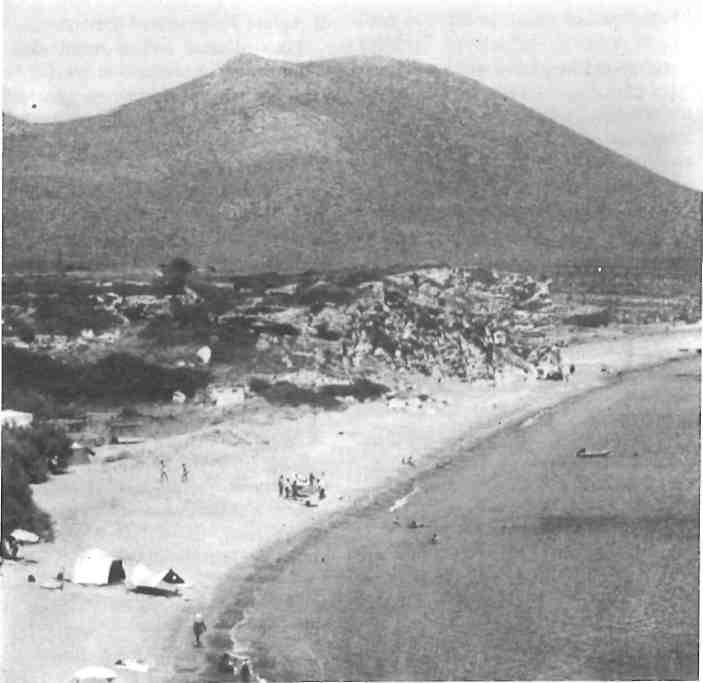
Image: Kastri, next to Palaiopoli, is the site of a Minoan colony excavated by the British 1963-5. Beyond rises the mountain of Aghios Georgios on whose summit is the first Minoan peak sactuary found outside of Crete on the island of Kythera.
The olive groves had outlived empires. The houses had outlived marriages. The paths had outlived names. The sea had erased every argument ever shouted from a balcony.
Night rose from the coves.
Lights appeared one by one in the village below, modest and sufficient. Natalya realised that peace was not a grand reconciliation staged beneath mythic statues. It was smaller, more exacting: a bounded house, a faithful companion, a son who visits freely, distance where distance is deserved, tenderness where tenderness is possible.
The imagined island dissolved. The real one remained.
When she descended the path, the olives stood motionless like dark witnesses. They had seen lovers embark, dynasties depart, daughters renamed, and strangers come searching for beauty in the wrong places.
Their verdict was annual and silent:
Bear fruit if you can.
Twist if you must.
Stand where you are.
ASJA: SHANGHAI
Asja was born in Shanghai when the city still believed in surfaces.
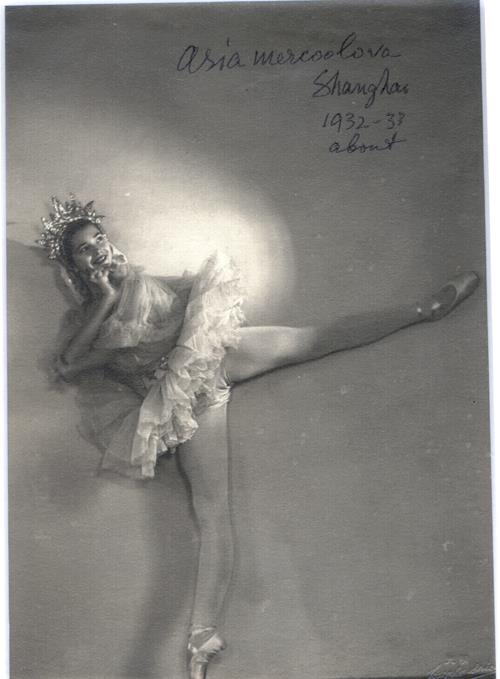
Asja Mercoolova a Russian ballerina in the French Concession Shanghai 1930s.
The French Concession had perfected the art of concealment: plane trees along the boulevards, stucco façades the colour of old cream, balconies with ironwork delicate as pastry, cafés where émigrés arranged themselves beneath fans and mirrors as if history were something that happened to other people. The streets smelt by turns of jasmine tea, petrol, rain on stone, tobacco, river mud, and French scent gone faint at the wrists. Even decay had manners there.
She began as a child among adults who carried entire collapsed countries inside them. Her father belonged to the White Russian residue of Saint Petersburg; her mother came from another species of vanished world altogether, more theatrical, more punitive, more hungry for admiration. The city received such people easily. Shanghai specialised in the displaced. One could lose a nation there and still dress for dinner.
After her father left, the child moved with her mother into the Paramount, drawn toward the orbit of Xenia, the beloved sister, and Sergei, the bandleader whose orchestra ruled the ballroom like a private weather system. The Paramount existed less as a hotel than as an illuminated nervous system. Glass floors lit from beneath changed colour according to the music; chrome and white surfaces reflected dancers into a second and more flattering species; famous visitors passed through its corridors like rumours in evening clothes. The child ran those hallways with Smokey Friml, peering through keyholes, learning early that glamour is mostly a matter of doors half-opened.
Xenia inhabited this world as if it were her natural climate. She belonged to that Shanghai order of women who understood that elegance was not frivolity but a form of control. One entered a room correctly or not at all. Her face retained the cool architecture of old Russia, yet the French Concession had added to it a polish, a softness at the edges, an urban intelligence. In the afternoons, while Sergei rehearsed or slept away the night’s applause, she could be found seated near a tall window, turning the pages of a magazine she was not reading, her profile caught in the watered light, as if already posing for memory. The child watched her with the devoutness reserved for saints and actresses.
If Sergei gave the city rhythm, Xenia gave it contour. She understood instinctively the geometry of exile: how to place flowers in a vase, how to salvage a day with gloves and lipstick, how to laugh in such a way that no one asked what had been lost. In later years, Asja would remember not speeches or confessions but details—the lift of Xenia’s chin, the narrow heel crossing a ballroom, the scent of powder and cigarettes after midnight, Sergei’s band finding its first note while the great room turned electric under its own changing lights. Shanghai taught her that atmosphere could be stronger than fact.
By day there was another city. The amah took her through cemeteries where she invented stories for the faces on tombstones; through parks and festival squares where Chinese opera singers moved like lacquered deities; through lantern nights full of spun sugar and forbidden sweetness; through the immense patience of ordinary life. The child learned that worlds may stand side by side without touching. Upstairs in the hotel, the Russians waltzed through their ruin. Outside, China moved with a different antiquity altogether.
Then war altered the air pressure of the city. Bombs, anti-aircraft guns, blacked-out curtains, rats, refugees, smoke above the skyline, the red sky over the Chinese districts, dead bodies in the river and on the pages of newspapers, the French Concession, which had once seemed to float above consequence, became only another room in the same burning house. Asja crawled into cupboards during raids and watched adults continue their rituals through terror. She learned the most enduring truth of cosmopolitan places: beauty does not disappear under pressure; it becomes feverish.
Years later, when she would try to explain Shanghai, she found she could not do so through chronology. It existed instead as a set of concurrent images: Xenia at the Paramount under silver light; Sergei’s music travelling across a dance floor like weather over water; an amah with bound feet and a moon-bright face undoing her hair; a child dressed in silk for a festival; the shriek of sirens at night; a city so determined to remain seductive that even catastrophe arrived in costume.
The French Concession did not teach her innocence. It taught her composition.
HONG KONG
Hong Kong came after the sea, after departure, after the month aboard the President Wilson, after the priests, the card games, the dancing, the storm, and the anthropologist who altered the proportions of her inner life forever. By the time the ship entered the harbour she had already become someone else, though only she knew it.
Hong Kong was a vertical city, all ascent and angle. Their house stood halfway up the Peak, above the clamour, so that the sounds of the harbour rose toward it in layers: ship horns, trolley bells, car horns, Cantonese cries, a million metallic vibrations joining into one continuous urban insect-song. To reach the house one left the motorcar below and was carried up a steep path in sedan chairs, borne by two men whose shoulders and calf muscles seemed carved for burden. The rhythm of their climbing impressed her more than any sermon ever had. Human beings, she decided, were at their most mysterious when carrying what should have been impossible.
The house was lush with order. Ning, the household servant, cooked with the devotion of an artist and filled each day with presentations so exact they seemed almost allegorical; flowers appeared in every vase each morning; papaya and lemon began the day; the vegetation of the Peak crowded close to the walls. Poinsettias flamed red among the green. The garden was so steep it could hardly be walked in. Beauty there had a semi-tropical excess, as if the climate itself had decided to overstate everything. After Jersey City and its cramped disappointments, Hong Kong felt to Asja like a return not merely to Asia but to scale, to atmosphere, to a life in which elegance and heat once again belonged to daily existence.
Old Shanghai acquaintances had washed up there too. Lunches resumed, dinners resumed, shopping, clubs, swimming, films, the Correspondents Club after midnight where people seemed to arrive only after one day had already become another. Hong Kong was filled with the displaced who had learned to appear unstartled by transience. Everyone understood that cities might be lost overnight. Therefore one dressed well and met for drinks.
And Everett was there.
In the memoir he is not introduced as a catastrophe but as a brightness of mind: handsome, amusing, intelligent, knowledgeable in art and music, “interesting” above all—perhaps the highest word one exile can bestow on another. Around him, life acquired contour and voltage. The three of them, Asja, Marty, Everett, moved in one bright triangle through the city’s restaurants, screenings, parties, and long conversations. He did not cross the line of friendship, which only intensified the atmosphere around it. Hong Kong became for her a theatre of delayed consummation, a place where longing itself acquired manners.
The city suited such tension. From the Peak one looked down on a harbour full of crossings, arrivals, departures, visible channels of desire and empire. Ferries moved between Hong Kong and Kowloon like thoughts unwilling to settle. Every evening seemed provisional. The British held the island, the Communists were just across another threshold of history, the Bank of China conducted its paradoxes, refugees and businessmen and journalists and artists occupied the same bars while pretending their reasons for being there were entirely different. Hong Kong made ambiguity respectable.
For Asja, this was the city where emotional reality ceased to obey the official script. Marriage, companionship, intellectual intimacy, jealousy, anticipation, the exquisite humiliations of youth—these moved through her like new weather systems. She understood that one can be perfectly housed and perfectly restless at the same time. The Peak, with its flowers and servants and high view over the harbour, did not calm her; it only gave altitude to longing.
Perhaps that is what Hong Kong has always offered: perspective without resolution.
When she remembered it later, she did not begin with the house or the harbour, but with a sensation—of standing above a city that glittered with commerce and steam and language, while inside herself another city was being built entirely out of waiting.
ASJA: AMERICA
America did not begin as America. It began as noise in the ears.
Forty-eight hours of propellers, stopovers, fatigue, a red-carpeted arrival at Idlewild under a blood-coloured sky, and then New Jersey: the railroad flat, the tiny living room, the kitchen as social centre, the family’s churchgoing habits, the compression of lives that had no use for myth. She had crossed from one civilisation of surfaces into another civilisation of practicalities. The shock was not poverty or simplicity but the absence of atmospheric permission. In Shanghai and Hong Kong, even sorrow had been staged well. Here the rooms were literal.
She tried to keep an open mind. She told herself this country was larger than these first interiors, that there must exist elsewhere the America she had imagined from a distance—cultured, searching, interested in the arts and in the betterment of the world. What dismayed her most was not modest living but the density of prejudice, the taxonomy of who disliked whom, the way categories hardened the air. She had grown up in places of exile and contradiction; she knew that civilisations are mixtures. She had expected expansion. Instead she found compartments.
Then came the School of American Ballet.
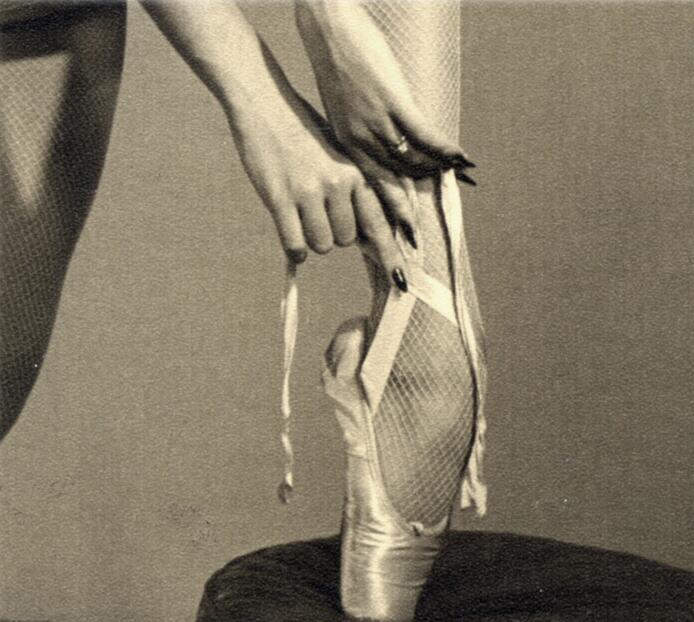
Asja Mercoolova a Russian ballerina in the French Concession Shanghai 1930s.
There are moments in a life when history narrows to one door opening. She auditioned with terror and was placed in the company class among professionals. Balanchine, the great Russian teachers, the studio itself—suddenly the old disciplines of her Shanghai childhood, the enforced reading, the dance lessons, the war-time improvisations of shoes stitched from canvas and glue, all converged. She entered an American room and discovered that what had been formed in Chinese war and Russian severity could move there with grace. The body, unlike the family, had told the truth.
The city answered too. New York offered another species of permission. Harper’s Bazaar, hair modelling, stockings, nightwear, jewels guarded by men with weapons, the bizarre revelation that a face and a posture might be translated into editorial use—these did not seduce her nearly as much as their secondary message: the world was porous again. She was no longer contained by anybody’s domestic script. One could move from Jersey City to Fifth Avenue in a single morning and return by evening carrying incompatible realities in the same handbag.
When Marty arrived, he took her out of the railroad flat and into hotels, dinners, motion. Later came the great drive across the United States, all coasts and regions, the massive horizontal revelation of the country. She saw beauty, diversity, open roads, differences in climate and architecture so vast they seemed almost geological. Here at last was the scale she had hoped for. The country was not the apartment, nor the family, nor the prejudice of one district. It was a continent in argument with itself. To cross it was to understand that identity, too, might be regional, mobile, revisionary.
Yet Asja remained, in essence, an emigrant of atmosphere. America fascinated her not because it erased Shanghai, but because it gave her a second mirror in which to see what Shanghai had made. Under the fluorescent discipline of dance studios, she rediscovered the child who had mimicked chorus lines at the Paramount. In New York’s fashion rooms, she found some distant echo of Xenia’s poise. On the roads through the states, she recognised another version of the Pacific crossings that had already formed her: movement as identity, not interruption.
The question was never where she belonged. It was whether belonging itself had been the wrong ambition.
For people like Asja, belonging was always provisional. Shanghai had taught her composition; Hong Kong had taught her longing; America taught her scale. The self that emerged from these places was not settled, but articulate.
And perhaps that was enough.
In later years, if anyone asked where she was from, no single answer could possibly suffice. She was from the Paramount ballroom and the cemetery with the tombstone angels, from anti-aircraft shrapnel and spun sugar, from the Peak above Hong Kong harbour, from the red sky above Idlewild, from dance studios and ships and languages layered one over the other like lacquer.
She was from the twentieth century in its most intimate form: a woman carrying several cities inside her, none cancelled by the next.
That was Asja’s true country.
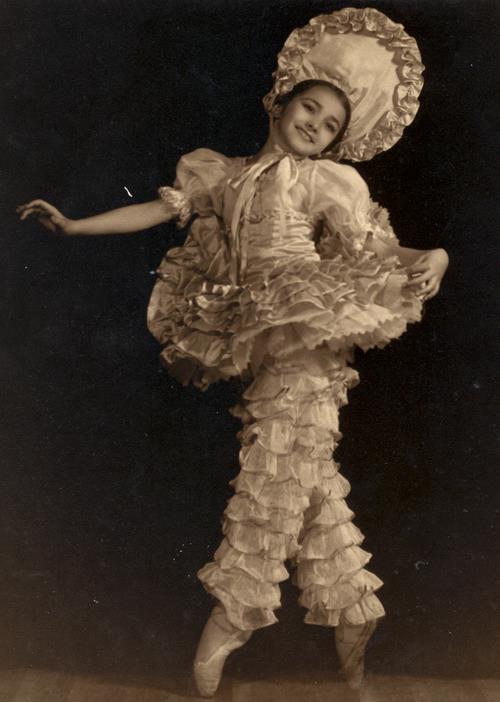
Asja Mercoolova a Russian ballerina in the French Concession Shanghai 1930s as a young girl.
SERGEI
Some men belong to a city so completely that when the city vanishes, they become difficult to verify.

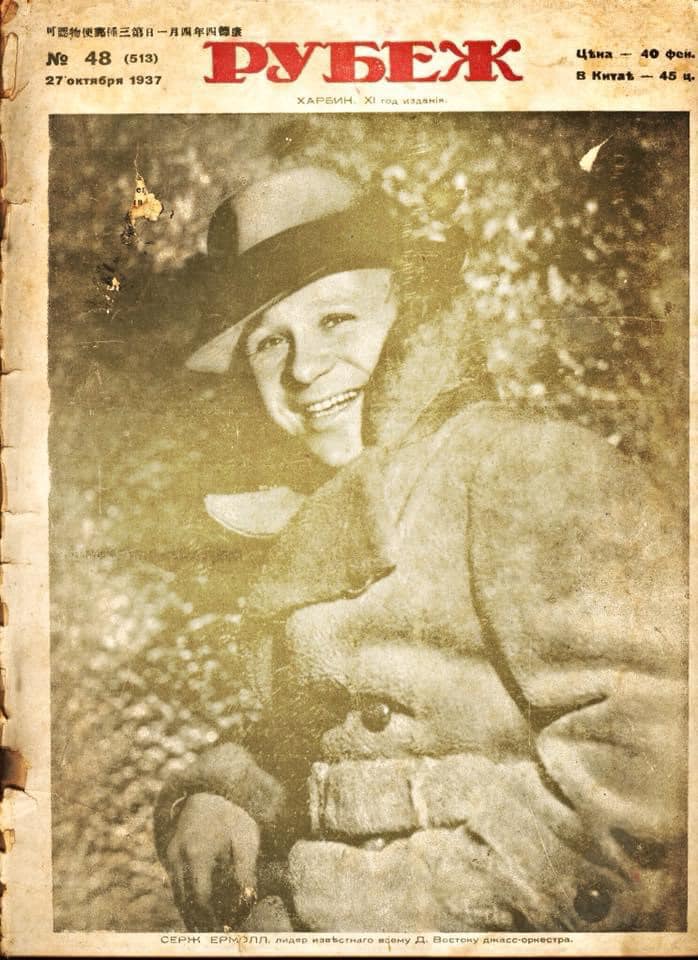
Serge Ermoll, born Sergei Ermolaeff, was one of those men. In later years he survived mostly in photographs, record labels, gossip, family recollection, and the afterglow of dance floors. Shanghai had many such figures: composers who became rumours, aristocrats who became waiters, generals who became doormen, countesses who became taxi-dancers, and musicians who conducted orchestras in white dinner jackets while empires expired outside. Sergei belonged to this order.
He was a Russian émigré of Manchurian background, formed by that strange northern corridor of Harbin and exile, then refined in Shanghai where every talent could be monetised if dressed correctly. He became one of the city’s notable jazz and dance-band leaders during the 1930s and 1940s, a drummer, arranger, conductor, impresario of tempo. He understood instinctively what Shanghai demanded: rhythm without sentimentality, glamour without innocence, and enough swing to make the rich forget the century.
At the Astor House Hotel he played beneath peacock-shell fan décor in one of the city’s earliest grand ballrooms. Later came the Majestic, then the Paramount Ballroom, where in 1934 the press announced that “Serge Ermoll’s well-known orchestra” would provide all dance music and praised the band’s “perfect harmony.” It was said to be among the most popular in the Far East. Such phrases belonged to journalism, but in Shanghai journalism often doubled as prophecy.
The Paramount was less a ballroom than a machine for manufacturing desire. White walls, chrome surfaces, lit floors changing colour underfoot, chorus lines, cigarette girls, naval officers, gangsters, debutantes, bankers, actresses, refugees, spies. Here Sergei raised a baton and made the room move as one organism. Fox-trots, tangos, sweet jazz, imported standards, Russian melancholy smuggled into American phrasing. Couples turned beneath the mirrored ceiling while outside the city sweated through politics, opium, inflation and war.
Xenia watched him from the edge of the floor.
She knew, before others did, that Sergei’s genius was not merely musical. It was civic. He could persuade strangers to occupy the same tempo. In a divided colonial city this was close to statesmanship.
There survives a photograph of Charlie Chaplin visiting Shanghai, standing with Sergei at the Paramount, Paulette Goddard nearby. Chaplin understood machinery and pathos better than anyone alive; one likes to imagine he recognised in Sergei a fellow engineer of feeling.
Sergei moved through the city’s nocturnal atlas: Ladlow’s Casanova, the Lido, the Arcadia in the French Concession, the Cercle Sportif Français, the Tower Nightclub in the Cathay Hotel. Each venue required a different version of modernity. At the French Club he played for colonial athletic elegance; at the Cathay for Sassoon grandeur; at Arcadia for the Russians who drank memory neat. He altered the sound accordingly.
At Arcadia he encountered Alexander Vertinsky, the dark Pierrot of the émigré world—crooner, poet, tragic clown. Their collaboration produced songs that outlived buildings: “Strange Cities” and “Over the Rosy Sea.” One lyric remembered “the moon rose over the pink sea,” with couples turning to a Hawaiian guitar. Another title alone said everything exile required: Strange Cities.
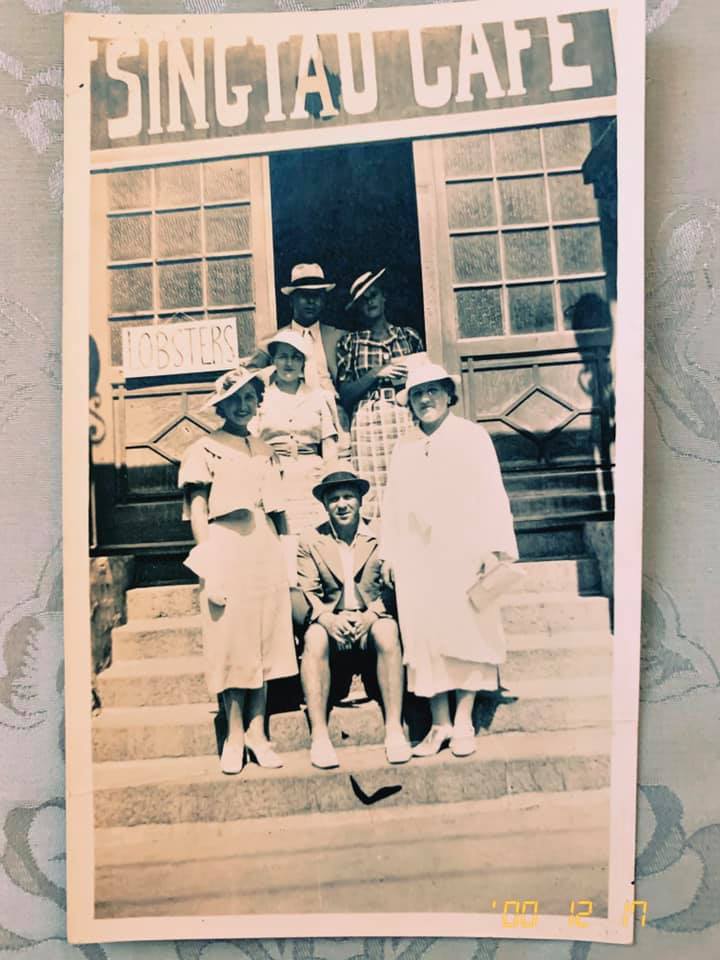
Sergei liked to claim he had played with Whitey Smith’s band at Chiang Kai-shek’s wedding. In Shanghai truth was judged less by evidence than by style of delivery. The story sounds exactly like something that should have happened there, which may be a superior category of fact.
Then war came, as it always does to cities that mistake brilliance for immunity.
The Japanese occupation narrowed menus, darkened streets, thinned faces. Yet musicians continued. A dance band in wartime is not frivolous; it is a municipal service. Sergei kept playing. Later he performed French horn with the Shanghai Symphony, carrying European repertoire through the wreckage of East Asia. That transition—from jazz king of ballrooms to orchestral player amid political collapse—contains an entire philosophy of survival.
For Asja, he was the handsome uncle whose presence changed the room’s voltage. For Xenia, he was companion, accomplice, witness, husband. For the child watching adults from doorways, Sergei represented the masculine opposite of abandonment: charismatic yet recurring, theatrical yet dependable, a man who returned nightly with music.
When the Communist victory closed one chapter of Shanghai, Sergei and Xenia eventually departed by ship for Australia with their son. Like so many émigrés, they carried little that customs officers could value: sheet music, accent, discipline, photographs, recipes, grief, timing.
Cities die unevenly. Streets remain while atmospheres disappear first.
But somewhere in the deep archive of Shanghai nights, under chrome light and cigarette smoke, Sergei is still lifting his baton. The saxophones are waiting. The dancers have just entered. Xenia is turning her head toward him. Outside, history gathers at the door, but for three minutes more the orchestra refuses to let it in.

